

 English
  русский
  Español
  عربى
عربى  中文简体
中文简体

 Industry News
Home / News & Share / Industry News / How Heavy-Duty Gear Oil Enhances Industrial Machinery Performance and Longevity
How Heavy-Duty Gear Oil Enhances Industrial Machinery Performance and Longevity
200+ proven lubricant solutions delivered
Content
Introduction
In the modern industrial landscape, machinery efficiency and longevity play a critical role in operational success. Lubrication is at the heart of maintaining smooth performance and reducing wear and tear in gears, bearings, and other moving components. Among various lubricants, heavy-duty gear oil is essential for ensuring that industrial equipment functions reliably under demanding conditions. Its unique formulation is designed to handle high loads, extreme temperatures, and prolonged operation periods, making it a cornerstone of machinery maintenance.
Industries ranging from construction to transportation and manufacturing rely on heavy-duty gear oil to reduce downtime and extend equipment life. Choosing the right gear oil not only improves machine performance but also minimizes maintenance costs and energy consumption.
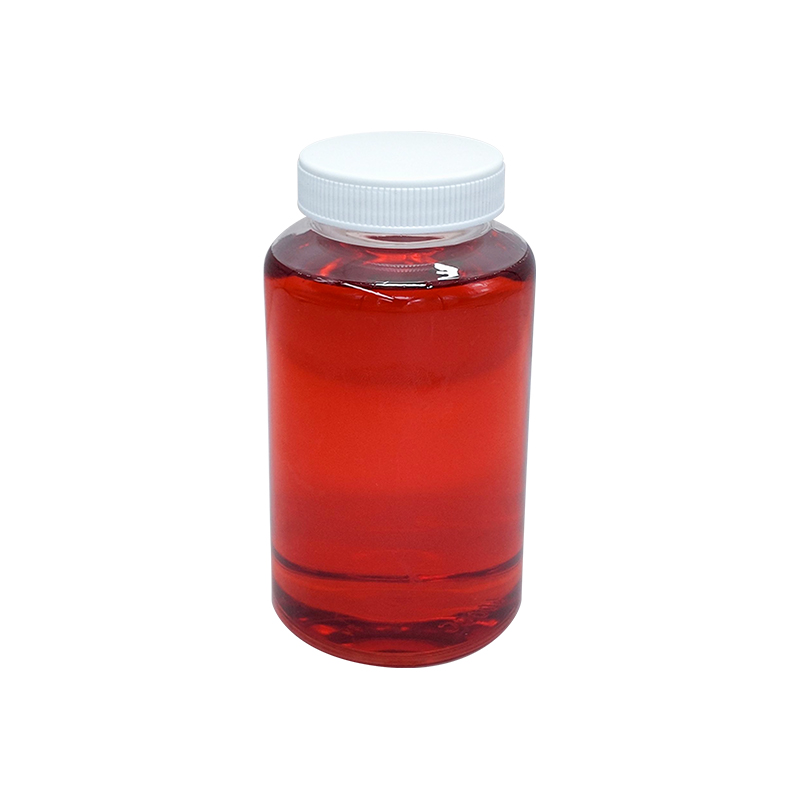
Heavy Duty GL-5 85W/90 Gear Oil Extreme Pressure (EP) Lubricant for Truck Axles
What is Heavy-Duty Gear Oil?
Heavy-duty gear oil is a specialized lubricant formulated to protect gears and other mechanical components under high stress conditions. Unlike general-purpose lubricants, it is engineered to withstand heavy loads, high temperatures, and continuous operation. The main types of heavy-duty gear oil include mineral oils, synthetic oils, and semi-synthetic oils. Each type offers different performance characteristics, with synthetic oils typically providing superior thermal stability, oxidation resistance, and longer service life.
The performance of gear oil is commonly evaluated based on viscosity, load-carrying capacity, and industry-standard ratings such as API GL-4 or GL-5. Viscosity determines how well the oil can maintain a lubricating film between moving parts, while load ratings indicate the oil's ability to prevent wear under extreme pressure. Selecting the correct viscosity and specification is crucial to ensure optimal machinery protection and efficiency.
Common Heavy-Duty Gear Oil Specifications
| Oil Type | Viscosity (cSt) | API Rating | Typical Application |
|---|---|---|---|
| Mineral Gear Oil | 150 | GL-4 | Light-duty industrial machinery |
| Synthetic Gear Oil | 220 | GL-5 | Heavy-duty trucks, construction equipment |
| Semi-Synthetic | 180 | GL-4/5 | Mixed applications, moderate load |
Heavy-duty gear oil not only provides lubrication but also contributes to corrosion prevention, foam reduction, and energy efficiency. By understanding the different types and specifications, operators can make informed choices that enhance the reliability and longevity of their equipment.
Key Features and Benefits
Heavy-duty gear oil offers a range of features that make it indispensable in industrial and heavy machinery applications. One of its primary characteristics is extreme pressure resistance. Gears operating under high torque and heavy loads generate significant friction, which can cause surface wear and metal fatigue. Heavy-duty gear oil contains specialized additives, often referred to as EP (Extreme Pressure) additives, that form a protective film on metal surfaces. This film reduces wear, prevents pitting, and extends the service life of gear components.
Another important feature is thermal stability. Industrial equipment often operates in high-temperature environments where conventional oils may break down or oxidize. Heavy-duty gear oil is formulated to resist oxidation and maintain its viscosity over a wide temperature range. This ensures consistent lubrication, reduces the risk of overheating, and minimizes energy losses due to friction.
Corrosion resistance and foam control are additional benefits. Moisture, condensation, and contaminants can accelerate corrosion in gears and bearings. High-quality gear oils contain anti-corrosion additives that protect metal surfaces, while anti-foam agents prevent the formation of bubbles that can compromise lubrication efficiency. These properties are crucial for equipment operating in harsh or humid environments.
Beyond protection, heavy-duty gear oil can contribute to energy efficiency and cost savings. By reducing friction and maintaining optimal lubrication, it allows machinery to operate smoothly, lowering fuel and electricity consumption. Longer oil service life also reduces maintenance frequency and downtime, resulting in overall operational savings.
In summary, the key benefits of heavy-duty gear oil include:
- Enhanced wear protection under heavy loads
- Stable performance at high and low temperatures
- Corrosion and oxidation prevention
- Foam reduction and consistent lubrication
- Improved energy efficiency and reduced maintenance costs
Heavy-duty gear oil is more than just a lubricant; it is a strategic component in maintaining machinery reliability, minimizing unexpected failures, and optimizing overall operational efficiency.

High-Traffic Applications
Heavy-duty gear oil is widely used across industries that demand reliable performance under high loads and challenging conditions. Its versatility allows it to protect a variety of equipment, from construction machinery to industrial gearboxes and agricultural vehicles. Understanding where and how to use heavy-duty gear oil is essential for maximizing equipment efficiency and lifespan.
Construction and Earthmoving Equipment
Excavators, bulldozers, and cranes are subjected to intense mechanical stress and heavy-duty operation. The gears and transmissions in these machines experience high torque and frequent load changes. Heavy-duty gear oil ensures proper lubrication under these extreme conditions, reducing wear and preventing overheating. Using the correct viscosity and specification is critical to maintain smooth performance and avoid costly downtime.
Transportation and Logistics
Heavy trucks and freight vehicles operate over long distances and carry substantial loads. Heavy-duty gear oil provides the necessary protection for axles, differentials, and transmissions, ensuring consistent performance even under prolonged use. Regular oil checks and timely replacement are essential to maintain vehicle reliability and fuel efficiency.
Industrial Gear Systems
In manufacturing plants, gearboxes, compressors, and conveyor systems rely on continuous lubrication. Heavy-duty gear oil prevents gear tooth wear, reduces vibration, and extends service intervals. Proper selection of oil based on operating temperature and load conditions enhances productivity and reduces maintenance costs.
Agricultural Machinery
Tractors, harvesters, and other farm equipment often work in dusty, wet, or high-load environments. Heavy-duty gear oil protects the transmission and differential gears from contamination and wear. Using high-quality gear oil reduces the risk of mechanical failure during critical operations, such as harvesting or planting seasons.
Recommended Equipment and Oil Types
| Equipment | Recommended Oil Type | Operating Temperature | Oil Change Interval |
|---|---|---|---|
| Excavator | Synthetic GL-5 220 | -20°C to 120°C | 500 hours |
| Tractor | Semi-Synthetic GL-4 180 | -10°C to 100°C | 300 hours |
| Industrial Gearbox | Mineral GL-4 150 | 0°C to 90°C | 1000 hours |
| Heavy Truck | Synthetic GL-5 220 | -20°C to 110°C | 500 hours |
By matching the correct type of heavy-duty gear oil to the specific machinery and operating conditions, companies can achieve optimal protection and performance. Proper application of gear oil ensures that machines operate smoothly, even in the most demanding environments, making it an essential component in industrial, transportation, and agricultural operations.
How to Choose the Right Heavy-Duty Gear Oil
Selecting the appropriate heavy-duty gear oil is a critical step in maintaining machinery performance and longevity. The wrong choice can lead to excessive wear, overheating, and even equipment failure. Several factors must be considered to ensure the gear oil meets the specific requirements of the machinery and its operating conditions.
Load and Torque Requirements
One of the first considerations is the load the gears will carry. High-torque or heavy-load applications demand oils with strong extreme pressure (EP) additives. These additives form a protective layer on gear surfaces, reducing wear and preventing pitting even under extreme stress. Low-load applications, in contrast, may not require such high-performance additives, allowing the use of mineral-based oils or semi-synthetic formulations.
Temperature Range and Operating Conditions
Operating temperature plays a significant role in oil selection. Machinery that runs at high temperatures requires oils with excellent thermal stability and oxidation resistance. Conversely, equipment in cold environments needs oils that maintain proper viscosity at low temperatures to ensure smooth lubrication during startup. Synthetic oils often perform best in extreme temperatures due to their stable chemical composition.
Viscosity and Gear Type
Viscosity determines how well the oil can maintain a lubricating film between moving parts. High-viscosity oils are suitable for heavy-duty gears operating under high loads, while lower-viscosity oils are better for high-speed gears with lighter loads. Selecting the correct viscosity is essential to avoid metal-to-metal contact and minimize friction.
Industry Standards and Certifications
Industrial equipment manufacturers often specify the required API rating, SAE grade, or other certification for gear oil. Common ratings include API GL-4 and GL-5, each indicating the oil's suitability for certain gear types and operating conditions. Adhering to these specifications ensures compatibility and optimal performance.
Environmental and Contamination Considerations
The working environment should also be considered. Equipment exposed to dust, moisture, or chemicals may require gear oils with enhanced corrosion resistance and anti-foam properties. Regular monitoring and testing of oil quality can help prevent contamination and maintain effective lubrication.
By carefully evaluating load, temperature, viscosity, certifications, and environmental factors, operators can select the most suitable heavy-duty gear oil for their equipment. Correct selection enhances machine reliability, reduces maintenance costs, and extends service intervals, ultimately improving overall operational efficiency.
Maintenance and Oil Change Practices
Proper maintenance and timely oil changes are essential to maximize the effectiveness of heavy-duty gear oil and ensure the longevity of industrial machinery. Even the highest-quality oil cannot protect equipment indefinitely if it is not monitored and replaced according to recommended schedules.
Correct Oil Application
Adding the right amount of oil to gears, differentials, and gearboxes is the first step in effective maintenance. Overfilling can lead to excessive heat and aeration, while underfilling increases friction and wear. Using manufacturer-recommended quantities and following proper filling procedures ensures optimal lubrication.
Monitoring Oil Condition
Regular monitoring of gear oil condition is crucial. Signs of oil degradation include darkening of the oil, increased viscosity, unusual odors, and the presence of metal particles. Periodic testing can detect contaminants, oxidation, or breakdown of additives, allowing preventive action before machinery damage occurs.
Scheduled Oil Replacement
The oil change interval depends on equipment type, operating conditions, and oil formulation. Synthetic oils generally last longer than mineral oils, while machinery operating under heavy loads or in extreme environments may require more frequent replacement. Maintaining a consistent schedule reduces the risk of wear, corrosion, and unexpected breakdowns.
Maintenance Tips for Longevity
- Inspect seals and gaskets regularly to prevent leaks.
- Keep gear systems clean to minimize contamination.
- Use filters where applicable to remove particulates and maintain oil purity.
- Record oil change history and monitor performance trends.
Gear Oil Maintenance Reference Table
| Machine Type | Operating Hours | Oil Check Frequency | Oil Change Recommendation |
|---|---|---|---|
| Industrial Gearbox | 1000 | Monthly | Every 1000 hours |
| Heavy Truck | 500 | Bi-weekly | Every 500 hours |
| Construction Equipment | 600 | Monthly | Every 600 hours |
| Agricultural Tractor | 400 | Monthly | Every 400 hours |
By following these maintenance and oil change practices, industrial operators can ensure that heavy-duty gear oil provides maximum protection, reduces wear, and enhances machinery reliability.
Common Challenges and Solutions
While heavy-duty gear oil is highly effective, industrial operators often face challenges that can compromise its performance. Understanding these challenges and implementing proper solutions is essential to maintain machinery reliability and efficiency.
Oil Degradation and Contamination
One of the most common issues is oil degradation, which occurs when the oil's additives break down due to heat, oxidation, or prolonged use. Contamination from dust, water, or metal particles can accelerate this process, reducing the oil's protective qualities.
Solution: Regularly monitor oil condition, use high-quality filtration systems, and follow recommended oil change intervals.
High Temperature and Heavy Load Stress
Gears operating under continuous high loads or elevated temperatures are prone to accelerated wear and oil breakdown.
Solution: Select gear oils with enhanced thermal stability and extreme pressure additives. For extreme operating conditions, synthetic oils often provide superior protection and longer service life.
Mixing Different Oils
Mixing oils with different base stocks or additive packages can lead to chemical incompatibilities, reducing lubrication efficiency and potentially harming the equipment.
Solution: Always use oils that meet the same API ratings and base formulations.
Environmental Factors
Machines working in harsh environments, such as wet, dusty, or corrosive conditions, are at higher risk of oil contamination and gear corrosion.
Solution: Use gear oils with anti-corrosion, anti-foam, and moisture-resistant properties, and implement regular inspection and cleaning routines.
Incorrect Oil Viscosity
Using gear oil with an inappropriate viscosity can lead to insufficient lubrication or excessive friction.
Solution: Carefully follow manufacturer specifications regarding viscosity grades based on operating temperatures and load conditions.
By proactively addressing these challenges, industrial operators can ensure that heavy-duty gear oil continues to provide reliable protection, reduce wear, and extend the life of machinery.
Conclusion
Heavy-duty gear oil plays a pivotal role in ensuring the efficiency, reliability, and longevity of industrial machinery. Choosing the right oil, adhering to proper maintenance practices, and addressing common challenges ensures optimal performance and reduces operational risks. Innovations in synthetic formulations, eco-friendly oils, and predictive monitoring are shaping the future of machinery lubrication, offering improved performance, cost savings, and sustainability.
FAQ
Q1: How often should heavy-duty gear oil be replaced?
Replacement intervals depend on oil type, equipment, and operating conditions. Synthetic oils last longer than mineral oils, but heavy-load or extreme-temperature machinery may require more frequent changes.
Q2: Can I mix synthetic and mineral gear oils?
Mixing oils with different base stocks or additive packages is generally not recommended unless they meet the same API rating and compatibility specifications.
Q3: What factors affect gear oil selection?
Factors include load, operating temperature, viscosity requirements, gear type, environmental conditions, and industry standards such as API ratings and SAE grades.
Q4: How can I identify gear oil degradation?
Signs include color change, unusual odor, increased viscosity, and the presence of metal particles. Regular testing and inspection help detect issues early.
Q5: Are there eco-friendly heavy-duty gear oils available?
Yes, biodegradable and low-toxicity formulations are increasingly available, providing similar performance while minimizing environmental impact.
HOT NEWS



Contact
 leanon2023@163.com
 + 86 - 4006663580
 Industrial Concentration Zone, Xinjian Town, Yixing City, Wuxi City, Jiangsu Province, China
Copyright © Leanon Petroleum Technology Co., Ltd. All Rights
Reserved
Wholesale Private Label Lubricants Manufacturers
