

 English
  русский
  Español
  عربى
عربى  中文简体
中文简体


What Is Brake Fluid?
200+ proven lubricant solutions delivered
Content
Brake fluid is a hygroscopic hydraulic fluid that transmits the mechanical force applied at the brake pedal through the hydraulic braking circuit to the wheel cylinders or caliper pistons that actuate the brake pads or shoes against the rotor or drum. As the single most safety-critical fluid in a vehicle — the only fluid whose failure produces immediate, total loss of controlled deceleration — brake fluid must maintain consistent viscosity, chemical stability, and boiling point performance across extreme temperature ranges and throughout its service life. For automotive distributors, fleet managers, and procurement specialists, understanding the chemistry, specifications, and performance boundaries of brake fluid is essential for making technically sound sourcing and maintenance decisions.
1. How Brake Fluid Works
1.1 Role of Brake Fluid in Hydraulic Braking Systems
The hydraulic braking system operates on Pascal's Law: pressure applied to an enclosed fluid is transmitted equally in all directions throughout the fluid. When the driver depresses the brake pedal, a pushrod compresses the master cylinder piston, pressurizing the brake fluid in the hydraulic circuit to pressures of 10–17 MPa (1,450–2,500 psi) under normal braking and up to 20+ MPa during ABS activation. This pressure is transmitted without energy loss through the brake lines and flexible hoses to the caliper pistons or wheel cylinders, where it is converted back into mechanical force acting on the friction surfaces.
The brake fluid circuit in modern vehicles is a closed, sealed system — but not perfectly sealed from moisture. The hygroscopic (water-absorbing) nature of glycol-ether based brake fluids means that atmospheric moisture gradually permeates through rubber flexible hoses and seals into the fluid over time, progressively lowering the boiling point and requiring periodic fluid replacement.
1.2 Compressibility, Viscosity, and Heat Transfer Requirements
Three physical properties of brake fluid are critical to hydraulic braking system performance:
- Compressibility: Brake fluid must be essentially incompressible under operating pressure to ensure that pedal travel directly translates to brake actuation without a spongy or delayed feel. Glycol-ether brake fluids have bulk moduli of 1,500–2,000 MPa — significantly less compressible than mineral oils and adequate for the pressure ranges encountered in automotive braking.
- Kinematic viscosity: FMVSS No. 116 and ISO 4925 specify maximum viscosity limits at low temperature (−40°C) to ensure brake response is not sluggish during cold starts, and minimum viscosity at high temperature (100°C) to maintain adequate film thickness at hot caliper seals. DOT 4 brake fluid must not exceed 1,800 mm²/s at −40°C and must be at least 1.5 mm²/s at 100°C.
- Heat transfer: Brake fluid conducts heat away from the caliper pistons and cylinder walls during and after braking events. Adequate thermal conductivity prevents localized hot spots that could initiate localized boiling (nucleate boiling) before the bulk fluid temperature reaches the nominal boiling point.
1.3 Why Boiling Point Is the Most Critical Performance Parameter
If brake fluid reaches its boiling point within the caliper or wheel cylinder — the hottest points in the hydraulic circuit — it vaporizes, forming compressible gas bubbles in the hydraulic line. Since gas is highly compressible, pedal travel no longer translates to pressure generation at the calipers; the pedal travels to the floor with little or no braking force — a condition known as brake fade or vapor lock. This is the mechanism behind the majority of brake failure incidents in performance driving, emergency braking events, and mountain descent scenarios involving sustained heavy braking.
The boiling point of brake fluid is therefore not merely a performance specification but a direct safety parameter. Understanding the distinction between the dry and wet boiling point — and how it changes with fluid age — is fundamental to brake system maintenance decisions.
1.4 Wet vs Dry Boiling Point Explained
The best brake fluid for wet and dry boiling point performance requires understanding what these two measurements represent and why both matter for real-world safety assessment:
- Dry boiling point (Equilibrium Reflux Boiling Point, ERBP): Measured on new, anhydrous (water-free) fluid. Represents the maximum boiling point the fluid will ever achieve — the performance at the moment it leaves the factory. Specified as the primary performance metric in FMVSS No. 116 and ISO 4925 classification tables.
- Wet boiling point (Wet ERBP): Measured on fluid that has been artificially aged by absorbing 3.5% water by weight (simulating approximately 2 years of in-service moisture absorption). Wet boiling point is the more practically relevant safety specification — it reflects the boiling point of fluid that has been in a vehicle's brake system for a representative service period. For DOT 4 fluid, the wet boiling point minimum is 155°C — significantly lower than the 230°C+ dry boiling point, illustrating how dramatically moisture absorption degrades boiling performance.
2. Brake Fluid Types and Standards
2.1 DOT 3 vs DOT 4 Brake Fluid Difference — Full Comparison
The DOT 3 vs DOT 4 brake fluid difference is the most commercially significant specification question in the passenger vehicle market, as these two grades cover the majority of passenger car and light commercial vehicle OEM specifications. While both are glycol-ether based fluids compatible with rubber seals and components used in modern braking systems, their performance specifications differ in ways that matter significantly for higher-demand applications:
| Parameter | DOT 3 | DOT 4 | DOT 5.1 |
|---|---|---|---|
| Chemical base | Glycol-ether | Glycol-ether + borate ester | Glycol-ether + borate ester (enhanced) |
| Minimum dry boiling point (ERBP) | 205°C (401°F) | 230°C (446°F) | 260°C (500°F) |
| Minimum wet boiling point (Wet ERBP) | 140°C (284°F) | 155°C (311°F) | 180°C (356°F) |
| Max viscosity at −40°C (mm²/s) | 1,500 | 1,800 | 900 |
| Hygroscopic (water absorbing) | Yes | Yes (faster than DOT 3) | Yes (fastest absorption rate) |
| Compatibility with DOT 3 | — | Yes (DOT 4 is backward compatible) | Yes (compatible with DOT 3 and 4) |
| Typical OEM application | Older vehicles, basic passenger cars | Modern passenger cars, SUVs, light trucks | High-performance vehicles, sports cars |
| Recommended change interval | 2 years or per OEM spec | 2 years or per OEM spec | 1–2 years (absorbs moisture faster) |
The primary engineering reason to upgrade from DOT 3 to DOT 4 is the higher wet boiling point (155°C vs 140°C), which provides a larger safety margin against vapor lock in demanding driving conditions. The DOT 3 vs DOT 4 brake fluid difference in dry boiling point (205°C vs 230°C) means that freshly changed DOT 4 offers 25°C more thermal headroom before vapor lock risk begins — a meaningful difference in performance driving and emergency braking scenarios.
2.2 DOT 5 and DOT 5.1 — Silicone vs Glycol-Ether Base
DOT 5 is the only silicone-based brake fluid in the US DOT classification system and is fundamentally different from all other grades in chemistry, properties, and compatibility. DOT 5.1 — despite its numerical similarity to DOT 5 — is a glycol-ether fluid (chemically similar to DOT 4) and must not be confused with DOT 5:
- DOT 5 (silicone base): Non-hygroscopic — does not absorb water, so dry boiling point remains stable throughout service life. However, water contamination that does enter the system forms discrete water pockets that can freeze in cold climates or boil locally at temperatures far below the fluid's rated boiling point — potentially creating more dangerous localized vapor lock than a hygroscopic fluid with evenly distributed moisture. DOT 5 is incompatible with glycol-ether fluids and ABS/ESP systems. Primarily used in military vehicles, classic car restoration, and long-term vehicle storage applications.
- DOT 5.1 (glycol-ether base): Highest performance glycol-ether fluid — minimum dry boiling point of 260°C and wet boiling point of 180°C. Fully compatible with DOT 3 and DOT 4 systems. Preferred for high-performance and track vehicles where maximum wet boiling point margin is required.
2.3 Best Brake Fluid for Wet and Dry Boiling Point — Spec Comparison
When selecting the best brake fluid for wet and dry boiling point performance, the wet boiling point is the operationally critical specification — it reflects real-world in-service performance rather than the idealized new-fluid condition represented by the dry boiling point. The following table compares performance specifications across all DOT grades to facilitate informed selection:
| DOT Grade | Dry Boiling Point (Min) | Wet Boiling Point (Min) | Base Chemistry | ABS Compatible |
|---|---|---|---|---|
| DOT 3 | 205°C / 401°F | 140°C / 284°F | Glycol-ether | Yes |
| DOT 4 | 230°C / 446°F | 155°C / 311°F | Glycol-ether + borate ester | Yes |
| DOT 5 | 260°C / 500°F | 180°C / 356°F | Silicone (PDMS) | No |
| DOT 5.1 | 260°C / 500°F | 180°C / 356°F | Glycol-ether + borate ester (enhanced) | Yes |
2.4 ISO 4925 and FMVSS No. 116 Standards Explained
Two primary international standards govern brake fluid specification and testing requirements:
- FMVSS No. 116 (Federal Motor Vehicle Safety Standard No. 116): The US federal standard that defines DOT 3, DOT 4, DOT 5, and DOT 5.1 classification requirements, including minimum boiling points, maximum viscosity limits, corrosion protection requirements, and rubber compatibility test methods. Administered by the National Highway Traffic Safety Administration (NHTSA). All brake fluid sold in the US for highway-use vehicles must comply with FMVSS No. 116.
- ISO 4925:2005: The international standard largely harmonized with FMVSS No. 116, used as the basis for European and global OEM brake fluid specifications. ISO 4925 Class 3, 4, 5, and 6 correspond broadly to DOT 3, DOT 4, DOT 5, and DOT 5.1 performance levels respectively, with some differences in test methodology and specific limit values.
3. Brake Fluid for High Performance Vehicles
3.1 Why Standard DOT 4 Is Insufficient for Track Use
Brake fluid for high performance vehicles must meet demands that standard DOT 4 formulations are not designed to withstand. On a racing circuit, repeated high-speed braking events from speeds of 200+ km/h can raise caliper temperatures to 400–600°C within a single lap. Caliper piston temperatures transmitted to the brake fluid in the caliper bore can reach 200–300°C — well above the DOT 4 dry boiling point of 230°C and dramatically above the wet boiling point of 155°C for service-aged fluid.
Standard DOT 4 fluid in a track environment will reach its boiling point within 2–3 aggressive braking events from high speed, causing vapor lock and pedal fade — a dangerous condition that has been the cause of numerous motorsport incidents. High-performance brake fluid formulations specifically developed for track use provide the thermal headroom required to survive sustained high-load braking without vapor lock.
3.2 Racing and High-Performance Brake Fluid Specifications
Brake fluid for high performance vehicles used in motorsport applications is typically formulated to DOT 5.1 specification or beyond, with dry boiling points of 270–330°C and wet boiling points of 190–210°C — providing 40–55°C more wet boiling point margin than standard DOT 4. Key specifications for high-performance track brake fluids include:
- Dry boiling point: Minimum 270°C; premium track fluids achieve 310–330°C through highly refined borate ester and polyglycol formulation chemistry.
- Wet boiling point: Minimum 190°C for serious track use; 200°C+ for endurance racing applications where fluid cannot be changed between stints.
- Low viscosity at high temperature: Racing fluids must maintain adequate viscosity at 150°C+ to ensure seal lubrication and consistent pedal feel throughout a racing event.
- ABS and ESP compatibility: Modern performance vehicles use complex electronic brake management systems that require brake fluid with consistent viscosity characteristics across extreme temperature ranges for correct solenoid valve operation.
3.3 Thermal Fade and Vapor Lock — Causes and Prevention
Thermal fade in brake fluid systems occurs through two distinct mechanisms that are often confused but have different causes and prevention strategies:
- Fluid vapor lock (hydraulic fade): The brake fluid itself boils in the caliper bore, forming compressible vapor bubbles that cause a sudden, dramatic loss of pedal pressure and braking force. Prevention: use the highest wet boiling point fluid compatible with the vehicle specification; change fluid annually for track use; pre-bleed brakes with fresh fluid before any track day.
- Pad/rotor fade (friction fade): The friction material of the brake pad thermally decomposes at the pad-rotor interface, generating gases that create a lubrication film between pad and rotor. Distinct from fluid fade — the pedal pressure is normal but braking force is reduced. Prevention: use track-specification brake pads with higher thermal stability; allow brakes to cool between hard stops where possible.
3.4 OEM Recommendations vs Aftermarket Upgrades
OEM brake fluid specifications are determined by the vehicle's brake system design, seal materials, and intended use profile — typically a balance of adequate performance for normal road use, seal longevity, and cost. For vehicles used in performance driving, towing, mountain driving, or track events, aftermarket upgrade to a higher-grade brake fluid within the compatible DOT chemistry is a recognized and technically sound practice:
- Upgrading from DOT 3 to DOT 4 in a DOT 3-specified vehicle is universally acceptable — DOT 4 meets all DOT 3 requirements and adds performance margin.
- Upgrading from DOT 4 to DOT 5.1 in a DOT 4-specified vehicle provides additional wet boiling point margin with full chemical compatibility.
- Never substitute DOT 5 (silicone) for any glycol-ether DOT grade — the fluids are incompatible and can cause seal swelling, system damage, and brake failure.
4. Symptoms of Low or Contaminated Brake Fluid
4.1 Warning Signs of Low Brake Fluid Level
Identifying symptoms of low or contaminated brake fluid early is critical for preventing brake system failure. The primary indicators of low brake fluid level are:
- Brake warning light illumination: Most vehicles with a fluid level sensor in the master cylinder reservoir illuminate the brake warning light (usually a red exclamation mark or "BRAKE" text) when fluid level falls below the minimum mark. This should never be ignored — low fluid level indicates either significant fluid consumption (suggesting a hydraulic leak) or brake pad wear that has caused caliper pistons to extend further into the caliper, displacing fluid volume from the caliper back into the reservoir.
- Soft or spongy brake pedal: A pedal that travels further than normal before generating braking force, or that requires pumping to achieve adequate stopping power, indicates air or vapor in the hydraulic circuit — typically caused by a fluid leak, overheated and partially boiled fluid, or severely degraded fluid with low wet boiling point.
- Longer stopping distances: A subtle but progressive increase in stopping distances — particularly noticeable when transitioning from normal road braking to emergency braking — can indicate fluid degradation without other obvious symptoms.
4.2 How Moisture Contamination Affects Braking Performance
Moisture contamination is the primary mode of brake fluid degradation in service. Glycol-ether brake fluids absorb moisture at rates of approximately 1–2% by weight per year under typical vehicle operating conditions — primarily through permeation through rubber flexible hoses rather than through reservoir caps or seals. The effect of moisture on brake fluid performance is non-linear and accelerating:
- At 1% water content: wet boiling point reduced by approximately 15–25°C from the dry boiling point baseline — still within safe operating range for normal road use.
- At 2% water content: wet boiling point reduced by 30–50°C — approaching the FMVSS No. 116 wet boiling point specification limit.
- At 3.5% water content (the standard wet ERBP test condition): boiling point has declined to the rated wet boiling point — this is the nominal "end of service life" condition used to define replacement intervals.
- Above 3.5% water content: boiling point decline accelerates; corrosion of internal brake system components (master cylinder bore, caliper pistons, ABS modulator valves) becomes significant; fluid viscosity at low temperature increases, potentially affecting ABS valve response speed in cold weather.
4.3 Visual Inspection and Test Strip Diagnostics
Visual inspection of brake fluid condition provides useful but incomplete information:
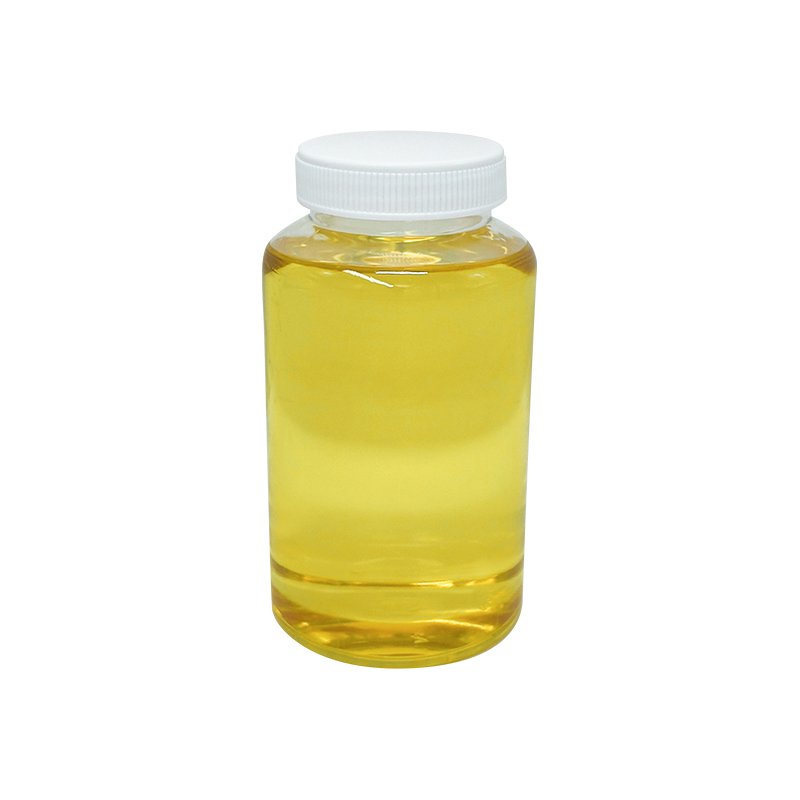
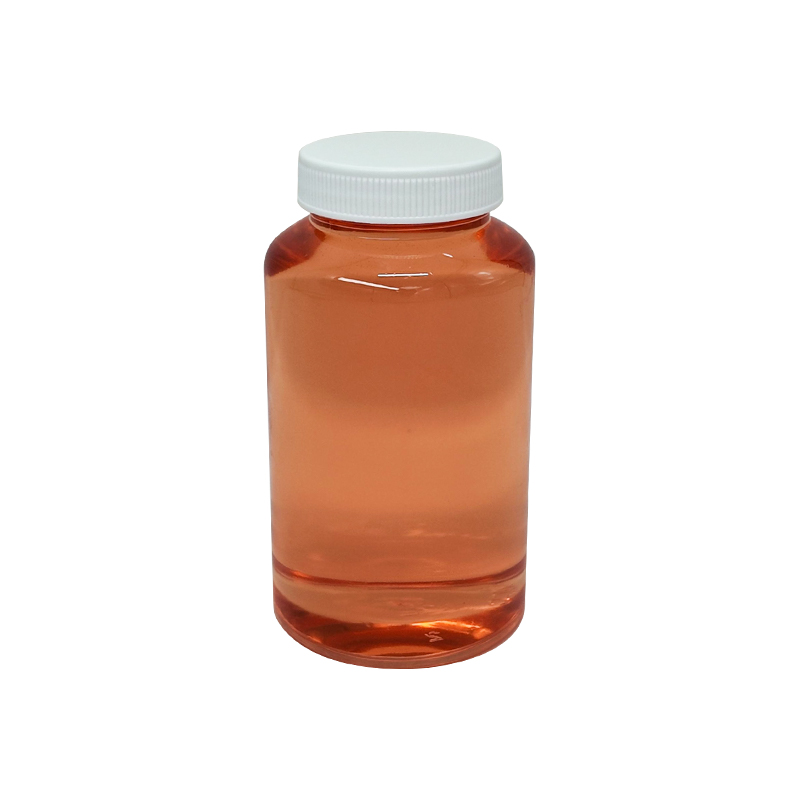
- Color assessment: New glycol-ether brake fluid is typically clear to light yellow. Darkening to amber or brown indicates oxidative degradation and contamination with metal particles, rubber seal degradation products, and dirt. Dark brown or black fluid should be changed immediately regardless of mileage or time interval.
- Copper strip test: Copper corrosion indicators (test strips that detect dissolved copper from brake system components) provide a quantitative indication of fluid degradation. The presence of dissolved copper above 200 ppb (as defined by the ASTM brake fluid copper corrosion standard) indicates that the fluid's corrosion inhibitor package has been depleted and replacement is required.
- Refractometer test: Optical refractometers calibrated for glycol-ether brake fluid can estimate water content from refractive index measurement — a rapid, non-destructive field test that provides a quantitative water content estimate without laboratory analysis.
4.4 When Contaminated Fluid Becomes a Safety Risk
The transition from degraded-but-functional to dangerous-and-unsafe brake fluid is not marked by a sudden threshold event — it is a gradual deterioration that accelerates under high-demand conditions. Fluid that performs adequately for 10,000 gentle braking events on flat roads may fail catastrophically on the first sustained downhill mountain descent or emergency stop from highway speed. The risk profile of contaminated fluid is therefore highly scenario-dependent — low apparent risk in normal use, high actual risk in precisely the extreme scenarios where maximum brake performance is most critical.
5. How Often Should You Change Brake Fluid
5.1 Manufacturer-Recommended Change Intervals
Understanding how often should you change brake fluid requires distinguishing between time-based and condition-based recommendations. Most OEM maintenance schedules specify one of three approaches:
| OEM Approach | Typical Interval | Rationale |
|---|---|---|
| Fixed time interval | Every 2 years regardless of mileage | Simple, predictable maintenance schedule; conservative safety margin |
| Mileage-based interval | Every 30,000–45,000 km (18,600–28,000 miles) | Correlates fluid exposure to driving activity rather than calendar time |
| Condition-based (sensor) | When onboard diagnostic system indicates | Uses fluid quality sensors or predictive algorithm to optimize change timing |
The industry consensus among automotive engineers, brake system specialists, and safety organizations converges on a maximum interval of 2 years for glycol-ether brake fluid in normal passenger vehicle use — regardless of whether the OEM maintenance schedule specifies a longer interval — based on the documented moisture absorption rate and its effect on wet boiling point.
5.2 Factors That Accelerate Brake Fluid Degradation
Several operating conditions cause brake fluid to degrade faster than the standard 2-year interval assumes:
- High-performance or track driving: Repeated thermal cycling to high temperatures accelerates oxidative degradation of the fluid's antioxidant package and increases moisture absorption rate through thermally expanded rubber hoses. Track-use vehicles should change brake fluid annually or before each track day.
- High-humidity climate operation: Vehicles operated in tropical or coastal high-humidity environments absorb moisture faster than the temperate climate assumption underlying the 2-year standard interval. Annual changes are recommended for vehicles in consistently humid conditions.
- Infrequent use: Vehicles driven rarely (classic cars, seasonal vehicles) may absorb proportionally more moisture per kilometer traveled due to extended periods of static exposure. Condition-based testing rather than mileage-based intervals is more appropriate for low-mileage vehicles.
- Open reservoir exposure: Brake fluid reservoir caps that are left open or improperly sealed during maintenance — even briefly — introduce significant moisture directly to the fluid. Always minimize the duration of open reservoir exposure during maintenance procedures.
5.3 Flushing vs Topping Up — What's the Difference
Topping up the brake fluid reservoir — adding small quantities of new fluid to maintain the correct level — does not constitute a brake fluid change and provides no meaningful benefit to system fluid quality. Because the reservoir represents only a small fraction of the total fluid volume in the system (the majority is in the calipers, wheel cylinders, ABS modulator, and brake lines), adding fresh fluid to the reservoir does not dilute or replace the degraded fluid in the high-temperature zones of the system where boiling point performance matters most.
A proper brake fluid change requires complete system flushing: new fluid is introduced at the master cylinder reservoir while old fluid is simultaneously bled from each wheel bleed nipple in the prescribed sequence (typically furthest wheel from master cylinder first) until fresh, uncontaminated fluid — identifiable by its lighter color and confirmed by refractometer or test strip — flows from each bleed nipple. Only complete flushing restores the system's rated wet boiling point performance.
5.4 Step-by-Step Brake Fluid Change Procedure Overview
- Step 1: Gather materials — new brake fluid of the correct DOT grade, clean syringes or turkey basters for reservoir extraction, bleed tubes and collection bottles for each wheel, and brake bleed nipple wrenches (typically 8 mm or 10 mm).
- Step 2: Extract the old fluid from the master cylinder reservoir with a syringe. Refill with new fluid to the MAX line. Do not allow the reservoir to run dry at any point during the procedure — air entry will require additional bleeding cycles.
- Step 3: Begin at the wheel furthest from the master cylinder (typically rear passenger side on left-hand drive vehicles). Attach the bleed tube to the bleed nipple, open the nipple 1/2 to 3/4 turn, and have an assistant apply steady pressure to the brake pedal.
- Step 4: Allow fluid to flow until fresh, clear fluid appears in the bleed tube. Close the bleed nipple before the assistant releases the pedal to prevent air re-entry.
- Step 5: Repeat for each wheel in the prescribed sequence, keeping the reservoir topped up with fresh fluid throughout. After all wheels are bled, confirm pedal firmness — a firm pedal indicates no air in the system.
- Step 6: Top up the reservoir to the MAX line, replace the cap securely, and test brakes at low speed before returning to normal use.
6. How to Choose the Right Brake Fluid
6.1 Matching DOT Grade to Vehicle Specifications
The correct DOT grade for any vehicle is specified in the owner's manual and typically marked on the master cylinder reservoir cap. This specification must be treated as a minimum performance requirement — the specified grade or any higher-performance compatible grade may be used, but a lower grade must never be substituted. The critical compatibility rules are:
- DOT 4 can be used in systems specified for DOT 3 — it meets all DOT 3 requirements and provides higher boiling point performance.
- DOT 5.1 can be used in systems specified for DOT 3 or DOT 4 — full glycol-ether compatibility.
- DOT 5 (silicone) must only be used in systems specifically designed for DOT 5 — it is incompatible with all glycol-ether systems and will damage rubber seals.
- Never mix DOT 5 with any glycol-ether fluid under any circumstances.
6.2 Compatibility with ABS, ESP, and Electronic Braking Systems
Modern vehicles equipped with ABS (Anti-lock Braking System), ESP (Electronic Stability Program), EBD (Electronic Brakeforce Distribution), and regenerative braking systems impose additional requirements on brake fluid beyond the base DOT specification. ABS and ESP modulator valves operate at cycling frequencies of 10–15 Hz with very small fluid volumes per cycle — requiring brake fluid with consistent, low viscosity at both cold start temperatures and elevated operating temperatures to ensure rapid, precise valve actuation. DOT 5.1's lower maximum viscosity at −40°C (900 mm²/s vs 1,800 mm²/s for DOT 4) makes it technically superior for ABS performance in cold climates, despite the higher moisture absorption rate that shortens its practical service interval.
6.3 Storage, Handling, and Safety Precautions
Proper storage and handling of brake fluid is critical to maintaining its performance characteristics between manufacture and use:
- Sealed container storage: Glycol-ether brake fluids begin absorbing moisture immediately on exposure to air. Partial containers should be used or discarded within 12 months of opening — a partially filled, previously opened container of brake fluid may have significantly degraded boiling point performance even if the expiry date has not been reached.
- Temperature and contamination: Store in cool, dry conditions away from heat sources. Never transfer brake fluid in containers previously used for other chemicals — even trace contamination with mineral oil, petrol, or other hydraulic fluids can damage rubber seals throughout the braking system.
- Skin and paint contact: Glycol-ether brake fluids are toxic by skin absorption with prolonged contact and will damage vehicle paintwork within minutes of contact. Handle with nitrile gloves and clean any spills immediately with water.
- Disposal: Waste brake fluid is classified as hazardous waste in most jurisdictions — do not dispose of down drains or with general waste. Return to a licensed waste fluid collection point or automotive service center.
6.4 Bulk and Wholesale Procurement Considerations
For automotive parts distributors, fleet operators, and service networks procuring brake fluid in bulk quantities, the following commercial and technical considerations apply:
- Certification documentation: Require FMVSS No. 116 and ISO 4925 compliance test reports for each production batch. Reputable manufacturers provide certified test reports from accredited laboratories as standard commercial documentation.
- Shelf life and stock rotation: Unopened sealed containers of quality glycol-ether brake fluid have a shelf life of 3–5 years from manufacture date when stored correctly. Implement FIFO (First In First Out) stock rotation to prevent obsolete inventory from reaching end customers with reduced service life.
- Packaging formats: Brake fluid is available in a range of packaging formats from 250 ml retail bottles to 200-liter drums for bulk service use. Drummed product reduces per-liter cost and packaging waste for high-volume service operations but requires compatible dispensing equipment and more rigorous container management to prevent moisture ingress.
- OEM and private label options: Manufacturers offering IATF 16949-certified production can supply brake fluid meeting OEM specifications under private label — a commercially attractive option for distributors building proprietary product lines in the automotive fluids category.
HOT NEWS



Contact
 leanon2023@163.com
 + 86 - 4006663580
 Industrial Concentration Zone, Xinjian Town, Yixing City, Wuxi City, Jiangsu Province, China
Copyright © Leanon Petroleum Technology Co., Ltd. All Rights
Reserved
Wholesale Private Label Lubricants Manufacturers
