

 English
  русский
  Español
  عربى
عربى  中文简体
中文简体

 Industry News
Home / News & Share / Industry News / Economical Gasoline Engine Oil: Affordable Protection for Every Car
Economical Gasoline Engine Oil: Affordable Protection for Every Car
200+ proven lubricant solutions delivered
Content
- 1 What Makes an Engine Oil "Economical"?
- 2 Top Considerations When Choosing a Budget-Friendly Oil
- 3 Maximizing Value: Tips for Getting the Most from Affordable Oil
- 4 Debunking Myths About Cheap Engine Oil
- 5 FAQ
- 5.1 What is the difference between economical engine oil and premium synthetic oil?
- 5.2 Can I use economical oil in a high-performance or turbocharged engine?
- 5.3 How often should I really change my oil if I use a synthetic blend?
- 5.4 Is a high-mileage engine oil worth the extra cost for my older car?
- 5.5 What does the API "starburst" symbol mean, and is it important for cheap oil?
For many car owners, balancing performance and budget is a constant concern. The engine is the heart of your vehicle, and its oil is its lifeblood. Choosing the right lubricant doesn't have to mean breaking the bank. Economical gasoline engine oil represents a category of lubricants designed to provide reliable protection at a reasonable price point. These oils meet or exceed industry standards for viscosity, thermal breakdown resistance, and engine cleanliness, ensuring your engine runs smoothly for years to come. This guide delves deep into how affordable oils work, what to look for, and how they can provide substantial value without compromising on essential engine protection. We'll explore key considerations like viscosity grades, API certifications, and change intervals to help you make an informed, cost-effective decision for your vehicle.
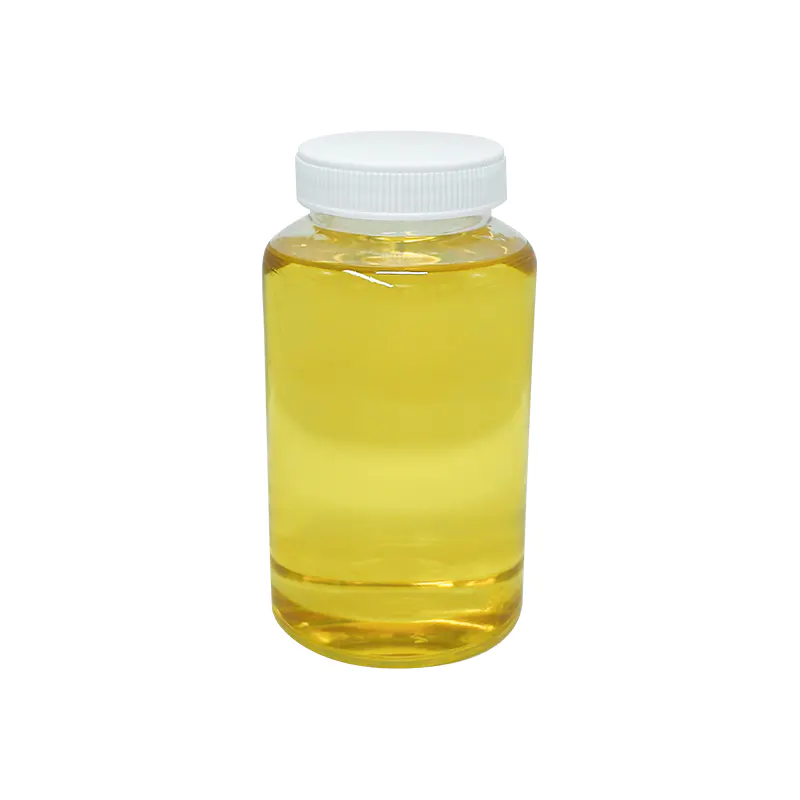
API SL 5W40 High Performance Full Synthetic Gasoline Engine Oil
What Makes an Engine Oil "Economical"?
The term "economical" in the context of engine oil encompasses more than just a low sticker price. True economy is measured in cost-per-mile of reliable protection. An economical gasoline engine oil achieves this by focusing on high-quality base oils and a balanced additive package that targets the most critical functions: reducing friction, preventing wear, and keeping sludge at bay. These oils are typically formulated to meet the minimum performance requirements set by the American Petroleum Institute (API) and the International Lubricant Standardization and Approval Committee (ILSAC), such as the current API SP and ILSAC GF-6 standards. This ensures they provide adequate protection for modern engines against low-speed pre-ignition, timing chain wear, and deposits. The economy comes from optimizing the formulation for broad compatibility and sufficient performance, avoiding the costlier, specialized additives found in premium synthetic blends or full synthetics designed for extreme conditions. For the average daily driver following standard service intervals, this balanced approach offers exceptional value.
- Meeting vs. Exceeding Standards: Economical oils reliably meet the latest industry specifications, which are designed to protect modern engines.
- Base Oil Quality: They often use Group II or Group II+ highly refined mineral base oils, which offer a good balance of performance and cost.
- Focused Additive Package: The formulation prioritizes essential dispersants, detergents, and anti-wear agents like zinc dialkyldithiophosphate (ZDDP) at effective levels.
- Extended Drain Potential: While not marketed for ultra-long intervals, many can safely exceed the traditional 3,000-mile recommendation when paired with a quality filter and normal driving conditions.
Top Considerations When Choosing a Budget-Friendly Oil
Selecting the right economical motor oil for sedans and compact cars requires attention to detail. Your owner's manual is the ultimate guide, specifying the exact viscosity grade (e.g., 5W-30) and API service category required. Sticking to this recommendation is the first and most crucial step in ensuring economy doesn't lead to damage. Beyond that, understanding the difference between conventional, synthetic blend, and full synthetic oils in the economical tier is key. While full synthetics offer the best performance, a high-quality synthetic blend can provide superior protection to conventional oil at a mid-range price, offering better cold-start performance and high-temperature stability. Furthermore, consider the oil's certification stamps. An API "starburst" symbol guarantees it meets current engine protection standards. Finally, think about your driving style; frequent short trips in stop-and-go traffic may benefit from a more robust formulation, even within the economical range, to combat sludge.
- Viscosity is King: Always, without exception, use the viscosity grade specified by your vehicle's manufacturer.
- Decode the API Code: Look for "API SP" on the container, which denotes the current highest level of protection for gasoline engines.
- Understand Oil Types: Know the trade-offs between conventional, synthetic blend, and full synthetic oils within the economical price segment.
- Driving Context Matters: Severe driving conditions (extreme heat, cold, towing, idling) may necessitate a more frequent change interval, even with a good quality oil.
Viscosity and API Ratings: Your Non-Negotiables
Viscosity, the oil's resistance to flow, is its most critical property. A multi-grade oil like 5W-30 must perform in two extremes: the "W" (winter) number indicates its flow at cold temperatures, while the second number indicates its thickness at engine operating temperature. Using the wrong viscosity can lead to poor lubrication, increased wear, reduced fuel economy, and even engine failure. Paired with viscosity is the API service rating. This two-letter code (like "SP") indicates the oil's performance level. "S" stands for Spark-ignition (gasoline) engines, and the following letter denotes the generation, with "SP" being the latest as of this writing. Using an oil with an outdated specification (like SN or earlier) may not protect newer engines from specific issues like timing chain wear or low-speed pre-ignition.
| Common Viscosity Grade | Recommended Climate/Use Case | Key Benefit |
| 0W-20, 5W-20 | Modern fuel-efficient engines, colder climates | Excellent cold-start flow for quick protection, maximizes fuel economy |
| 5W-30 | The most common grade, versatile for most temperatures | Balanced performance for a wide range of operating conditions |
| 10W-30 | Older engines, warmer climates | Slightly thicker hot viscosity can be beneficial for high-mileage engines with wear |
Maximizing Value: Tips for Getting the Most from Affordable Oil
To truly capitalize on the value of affordable synthetic blend oil for daily commutes, strategic practices are essential. First, adhere to a disciplined change interval. While the oil itself may be capable, the oil filter has a finite capacity. Changing both the oil and filter at consistent intervals is the single best way to ensure long engine life. Consider using a high-quality, name-brand filter designed for extended service. Second, monitor your oil level regularly—once a month is a good rule. Even the best oil cannot protect if there isn't enough of it. Low oil level leads to increased heat and wear. Third, keep a record of your changes. This not only helps you stay on schedule but also adds value to your vehicle if you decide to sell it. Finally, store leftover oil properly in a cool, dark place with the lid tightly sealed to prevent contamination for top-up use.
- Interval Discipline: Follow the "severe service" schedule in your manual if you frequently take short trips, drive in dusty conditions, or tow.
- Filter Quality: Never pair a quality oil change with the cheapest filter available. The filter is a critical component of the lubrication system.
- Regular Level Checks: A simple dipstick check can prevent catastrophic engine damage and is a hallmark of a responsible car owner.
- Proper Storage: Seal containers tightly and store them upright to prevent moisture absorption and contamination.
Understanding Change Intervals for Conventional vs. Synthetic Blends
A common question revolves around how far you can push an oil change when using low-cost high mileage engine oil for older vehicles. The answer hinges on the oil type and your engine's condition. Conventional mineral oils generally have a more limited service life due to a faster rate of additive depletion and oxidation. For older, high-mileage engines that may have slight leaks or burn oil, sticking to a shorter interval (e.g., 5,000 miles or 6 months) with a conventional oil formulated for high-mileage use can be a wise, economical choice. These oils often contain conditioners to help rejuvenate seals and additional anti-wear agents. In contrast, a modern synthetic blend oil, with its more stable synthetic base stock components, can often safely reach the manufacturer's recommended extended interval (commonly 7,500-10,000 miles) under normal driving conditions. The key is to not exceed the *lower* of the mileage or time limit specified for your vehicle.
| Oil Type | Typical Safe Interval (Normal Driving) | Best Suited For |
| Conventional (Standard) | 5,000 miles / 6 months | Older vehicles, simple engines, very strict budgets, short-interval habits |
| Conventional (High-Mileage) | 5,000 miles / 6 months | Vehicles with over 75,000 miles, showing minor leaks or consumption |
| Synthetic Blend | 7,500 miles / 12 months | Modern daily drivers, seeking a balance between conventional and full synthetic performance |
Debunking Myths About Cheap Engine Oil
The market for economical gasoline engine oil is rife with misconceptions. One pervasive myth is that all inexpensive oils are "bad" or will damage your engine. This is false. Oils sold by reputable manufacturers that carry the current API certification are engineered to provide a guaranteed level of protection. They have passed a battery of tests to earn that certification. Another myth is that you must use full synthetic in a modern car. While beneficial, most car manufacturers explicitly state that oils meeting a specific API standard (like SP) are acceptable, regardless of whether they are conventional, blend, or full synthetic. The notion that best value engine oil for regular oil changes is a waste of money is also flawed. Regular changes with a certified, economical oil are infinitely better for an engine than infrequent changes with the most expensive synthetic on the market. Consistency and specification compliance trump premium branding for most drivers.
- Myth: Price Equals Protection: Certification standards ensure a baseline of protection that is safe for your engine.
- Myth: New Cars Need Full Synthetic: Check your manual; many only require an oil that meets an API specification, not a specific synthetic formulation.
- Myth: You Can't Switch Types: You can safely switch between conventional, blend, and synthetic as long as the viscosity and API rating are correct.
- Myth: Thicker Oil is Better for Old Engines: Always consult a mechanic. Sometimes a high-mileage oil in the recommended viscosity is superior to arbitrarily switching to a thicker grade.

FAQ
The core difference lies in the base oil composition and the complexity of the additive package. Premium full synthetic oils use chemically engineered, pure base stocks (Group III+, IV, or V) that offer superior molecular consistency, resulting in exceptional performance at temperature extremes, reduced volatility (less oil burn-off), and potential for much longer drain intervals. Their additive packages are also more robust, offering enhanced protection against deposits, oxidation, and wear in severe conditions. Economical gasoline engine oil, including synthetic blends and conventional oils, uses refined mineral base oils (Group I, II, II+) and a focused additive package designed to meet—not necessarily far exceed—the latest industry standards. For the vast majority of daily driving, an economical oil that meets API SP specifications provides completely adequate protection at a significantly lower cost.
Can I use economical oil in a high-performance or turbocharged engine?
This requires careful attention to your owner's manual. Many turbocharged and high-performance engines generate significantly more heat and stress on the oil. Manufacturers of these vehicles often explicitly recommend or require specific oil standards (like certain ACEA ratings in European cars) or full synthetic formulations to handle this stress. Using a standard economical motor oil for sedans and compact cars in such an engine, even if the viscosity matches, may not provide sufficient protection against turbocharger bearing coking or high-temperature deposit formation. It is crucial to follow the manufacturer's exact specification. If they call for a full synthetic, it is not an area to economize, as the risk of costly engine damage increases.
How often should I really change my oil if I use a synthetic blend?
The frequency for changing affordable synthetic blend oil for daily commutes should be dictated by two primary factors: your vehicle manufacturer's recommendations and your driving conditions. Most modern car manuals list two service schedules: "normal" and "severe." Severe service includes frequent short trips (under 10 miles), extensive idling, stop-and-go traffic, driving in very hot, cold, or dusty conditions, or towing. If your driving aligns with "severe," cut the recommended interval in half. For example, if a synthetic blend is listed for 7,500 miles under normal conditions, change it at 3,750-5,000 miles under severe conditions. Always respect the time interval (often 12 months) as well, as oil degrades over time regardless of mileage.
Is a high-mileage engine oil worth the extra cost for my older car?
For vehicles with over 75,000-100,000 miles, switching to a low-cost high mileage engine oil for older vehicles is generally a very sound investment. These oils are specifically formulated to address the common issues of aging engines. They typically contain:
1) Seal conditioners to help soften and swell internal rubber seals, potentially reducing minor leaks and oil consumption.
2) Higher levels of anti-wear additives (like ZDDP) to protect worn engine components with slightly larger clearances.
3) Additional detergents and dispersants to help clean and suspend sludge that may have accumulated over the years.
While slightly more expensive than standard conventional oil, they are still firmly in the economical category and can help extend the life of an older engine, prevent leaks, and maintain performance, making them an excellent value proposition.
What does the API "starburst" symbol mean, and is it important for cheap oil?
The API "starburst" symbol is one of the most important marks to look for on any bottle of engine oil, especially when selecting an economical gasoline engine oil. It is a voluntary certification mark that indicates the oil has passed a series of rigorous engine tests and meets the latest performance standards set by the International Lubricant Standardization and Approval Committee (ILSAC), which is a joint effort of U.S. and Japanese automakers. As of this writing, the GF-6 standard is current. This symbol guarantees protection against key issues like low-speed pre-ignition, timing chain wear, and sludge formation in modern engines. Never purchase an engine oil, regardless of price, that does not display this symbol or the corresponding API service code (e.g., "API SP"). It is your primary assurance that the oil provides a baseline of safe, modern engine protection.
HOT NEWS



Contact
 leanon2023@163.com
 + 86 - 4006663580
 Industrial Concentration Zone, Xinjian Town, Yixing City, Wuxi City, Jiangsu Province, China
Copyright © Leanon Petroleum Technology Co., Ltd. All Rights
Reserved
Wholesale Private Label Lubricants Manufacturers
