

 English
  русский
  Español
  عربى
عربى  中文简体
中文简体


How Much Does a CVT Fluid Change Really Cost?
200+ proven lubricant solutions delivered
Content
- 1 Understanding CVT Fluid: Why It's So Special and Critical
- 2 Warning Signs: Don't Ignore These Failure Symptoms
- 3 Routine Maintenance: How to Properly Check and Care for Your CVT
- 4 The Core Decision: Choosing the Best CVT Fluid for Your Vehicle
- 5 Full Cost Breakdown: The Components of a CVT Fluid Change
- 6 FAQ
- 6.1 Can I use regular automatic transmission fluid in my CVT?
- 6.2 Is a CVT fluid flush necessary, or is a drain-and-fill enough?
- 6.3 My car has 100,000 miles and the CVT fluid has never been changed. Should I change it now?
- 6.4 What's the difference between CVT fluid and Dual Clutch Transmission Fluid?
- 6.5 Why is CVT fluid so much more expensive than regular transmission fluid?
Understanding CVT Fluid: Why It's So Special and Critical
Unlike a traditional automatic transmission with fixed gear ratios, a Continuously Variable Transmission (CVT) uses a complex system of a steel push-belt or chain running between two variable-diameter pulleys. This design allows for an infinite number of gear ratios, providing seamless acceleration and optimal fuel efficiency. The Continuously Variable Transmission Fluid is the lifeblood of this precise system, but its role is far more demanding than that of conventional automatic fluid. It must perform three critical functions simultaneously: act as a hydraulic fluid to control the precise clamping pressure of the pulleys, serve as an extreme-pressure lubricant to prevent wear on the chain and pulleys, and operate as a robust coolant to manage high operational temperatures. A failure in any one of these functions can lead to catastrophic and costly transmission failure.
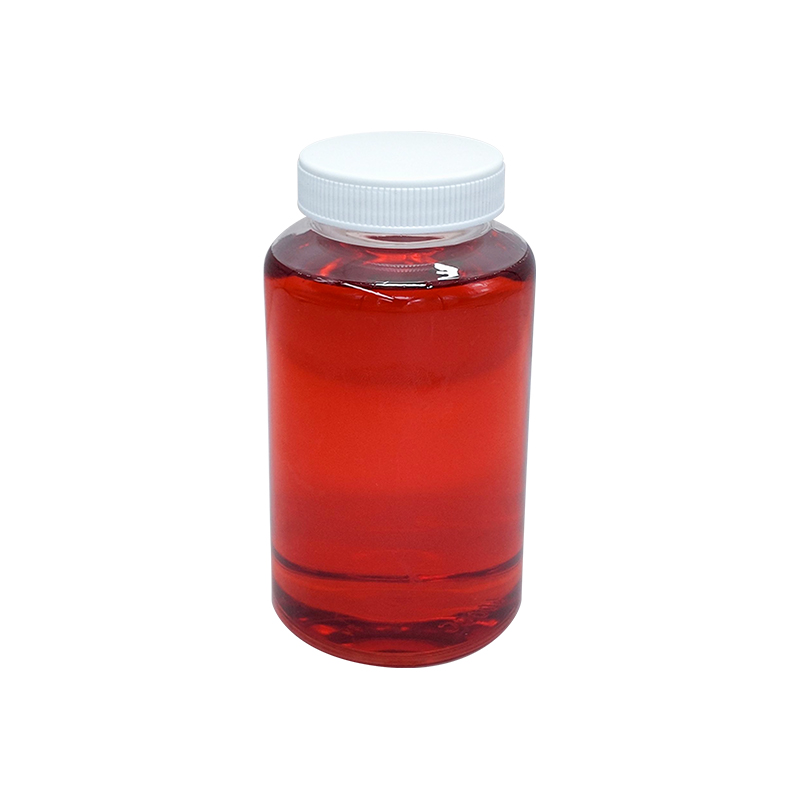
Universal High Performance Full Synthetic CVT Transmission Fluid with POE Ester
This leads to a fundamental question many vehicle owners have: what's the real difference between these specialized fluids? The distinction between CVT fluid vs automatic transmission fluid is not minor; they are engineered for entirely different mechanical worlds and are almost never interchangeable.
- Friction Properties: ATF contains specific friction modifiers for wet clutch packs. CVT fluid is formulated with unique additives to ensure the precise friction coefficient between the belt/chain and pulleys for smooth power transfer without slip.
- Shear Stability: The constant micro-slippage in a CVT places immense shear stress on the fluid. CVT-specific formulations are designed to resist viscosity breakdown under these conditions much longer than standard ATF.
- Anti-Wear Formulation: Protection for the steel-on-steel contact of the chain or push-belt is paramount in CVT fluid, requiring different anti-wear additive packages than those found in fluids for Automatic Transmission Fluid or newer Dual Clutch Transmission Fluid systems.
Warning Signs: Don't Ignore These Failure Symptoms
Recognizing the early symptoms of bad CVT fluid is the single most effective way to avoid a repair bill that can easily exceed $4,000 for a transmission replacement. Degraded or contaminated fluid loses its essential properties, leading directly to mechanical distress. The first signs are often subtle and may be mistaken for engine issues. A slight hesitation or "rubber-band" feeling during acceleration, where engine RPMs flare without a corresponding increase in vehicle speed, indicates the belt or chain is slipping due to inadequate hydraulic pressure or lost friction characteristics. You might also notice shuddering or jerking, particularly at low speeds or during light throttle input.
As the problem progresses, symptoms become more pronounced and concerning. The transmission may enter a "limp-home" or fail-safe mode, severely limiting engine power and vehicle speed to prevent further damage—this is often triggered by an overheating warning light on your dashboard. Unusual noises, such as a persistent whining, grinding, or a loud clunk during gear selection, signal advanced mechanical wear. Ultimately, complete failure to engage drive or reverse will occur. It's critical to understand that while a Universal Transmission Fluid might claim broad compatibility, using it in a CVT showing these symptoms will almost certainly accelerate the failure.
| Symptom Stage | Common Manifestations | Potential Fluid-Related Cause |
| Early Stage | Rubber-band acceleration, slight hesitation, minor shuddering. | Fluid oxidation, beginning of friction modifier breakdown, slight contamination. |
| Intermediate Stage | Pronounced jerking, delayed engagement, audible whining or humming. | Significant viscosity loss, high contamination (metal debris), failing fluid properties. |
| Late/Advanced Stage | Overheating warning light, limp mode activation, loud clunks, no movement. | Severe fluid breakdown, internal damage (belt/pulley wear), critical failure imminent. |
Routine Maintenance: How to Properly Check and Care for Your CVT
Proactive maintenance is non-negotiable for CVT longevity. A core task every owner should know is how to check CVT fluid level, though note that many modern vehicles have eliminated the dipstick, requiring a scan tool and a specific service procedure. For vehicles with a dipstick, ensure the car is on level ground and the transmission is at operating temperature (after a 15-20 minute drive). With the engine running and the parking brake firmly set, cycle through each gear position, returning to Park. Pull the dipstick, wipe it clean, reinsert fully, and check. The fluid should be within the "Hot" crosshatch marks. Critically, assess the fluid's condition: fresh CVT fluid is typically a clear, bright red or green hue. Any discoloration towards brown or black, a burnt smell, or visible metallic particles are immediate red flags demanding professional attention.
Manufacturer maintenance intervals vary widely, and the old adage of "lifetime fluid" is a dangerous myth for those planning to keep their vehicle long-term. Adhering to the "severe service" schedule is almost always recommended.
- Nissan (Xtronic CVT): Often recommends inspection at 60,000 miles and change under severe service (towing, hot climates, extensive idling) at similar intervals. Many specialists advise a preventative change every 30,000-40,000 miles.
- Honda (CVT): Typically specifies a replacement interval, often around 60,000-90,000 miles, but severe conditions warrant earlier service.
- Subaru (Lineartronic CVT): Recommends inspection every 30,000 miles and replacement under severe driving conditions. Fluid condition is a key factor.
The Core Decision: Choosing the Best CVT Fluid for Your Vehicle
Selecting the correct fluid is the most important purchasing decision for your CVT's health. The concept of a one-size-fits-all Universal Transmission Fluid is highly risky for these sensitive systems. Instead, you must use a fluid that meets your manufacturer's exact specification. For example, finding the best CVT fluid for Nissan means looking for a product that explicitly states it meets or exceeds Nissan NS-2 or NS-3 standards (depending on model year). Using an incorrect fluid, even a high-quality Automatic Transmission Fluid, can cause rapid slippage, overheating, and failure due to mismatched friction properties.
While OEM fluid from the dealership is always a safe choice, several aftermarket manufacturers produce high-quality, certified alternatives. The key is verification, not just marketing claims.
| Manufacturer Spec | Common Examples | Aftermarket Equivalent Keywords |
| Nissan NS-2, NS-3 | Nissan Xtronic CVT Fluid | CVT Fluid Nissan Altima, Rogue, Sentra |
| Honda/Acura HCF-2 | Genuine Honda HCF-2 | CVT Fluid Honda Civic, Accord, CR-V |
| Subaru CVT Fluid | Subaru High-Torque CVT Fluid | CVT Fluid Subaru Outback, Forester, Crosstrek |
| Toyota CVT Fluid FE | Genuine Toyota CVT Fluid | CVT Fluid Toyota Corolla, RAV4, CH-R |
Full Cost Breakdown: The Components of a CVT Fluid Change
The total CVT transmission fluid change cost is comprised of parts, labor, and potential ancillary items. Understanding each component demystifies the estimate. Parts cost is primarily the fluid itself, which is notably more expensive than conventional ATF. Expect to pay between $15 to $25 per quart, and most CVTs require 6-10 quarts for a complete exchange. A transmission filter or strainer, often located inside the transmission pan, should be replaced simultaneously ($30-$60). A new pan gasket or seal kit ($20-$40) is also standard.

Labor is the other major variable. A simple drain-and-fill (replacing 30-50% of the fluid) may take 1-1.5 hours. A complete fluid exchange using a specialized machine to cycle out nearly 100% of the old fluid is more thorough but requires more time (1.5-2.5 hours) and equipment, commanding a higher labor rate. Independent shops typically charge $90-$150 per hour, while dealerships are higher. Crucially, a CVT service is more involved than a simple Automatic Transmission Fluid change and often requires a precise relearn procedure with a diagnostic scanner, adding to the time.
| Cost Component | Price Range (USD) | Details & Notes |
| CVT Fluid (6-10 qts) | $90 - $250 | OEM fluid is at the higher end; certified aftermarket options can reduce cost. |
| Transmission Filter/Gasket | $50 - $100 | Not always externally accessible; may require pan removal. |
| Labor (Drain & Fill) | $100 - $225 | Varies by region, shop type, and vehicle model accessibility. |
| Labor (Full Machine Exchange) | $150 - $350 | More thorough but requires specific equipment and expertise. |
| Estimated Total Range | $240 - $700+ | Dealerships will be at the top end; independents using quality parts offer value. |
FAQ
Can I use regular automatic transmission fluid in my CVT?
Absolutely not. This is one of the most damaging mistakes an owner can make. The fundamental difference in friction properties, shear stability, and additive packages between Continuously Variable Transmission Fluid and standard Automatic Transmission Fluid means they are not compatible. Using ATF in a CVT will lead to immediate belt/chain slippage, rapid wear, overheating, and almost certain transmission failure within a short driving period. Always use the fluid specified in your owner's manual.
Is a CVT fluid flush necessary, or is a drain-and-fill enough?
This is a key technical decision. A drain-and-fill only replaces 30-50% of the total fluid volume, as much remains trapped in the torque converter, cooler lines, and valve body. It's a good preventative maintenance step. A full flush or exchange uses a machine to displace nearly all the old fluid with new. While more complete, a flush on a high-mileage CVT with severe contamination can dislodge debris and cause problems. For most routine maintenance, a drain-and-fill is recommended. For a known fluid contamination issue or post-repair cleaning, a machine exchange performed by a specialist like TransTech Experts may be advised.
My car has 100,000 miles and the CVT fluid has never been changed. Should I change it now?
This is a high-risk situation requiring professional assessment. The old adage "leave it alone if it's never been changed" contains a kernel of truth for heavily worn transmissions. Fresh fluid, with its active detergents and different friction properties, can potentially dislodge accumulated sludge and varnish, causing shifting issues or revealing existing wear. The safest approach is to have a specialist at a trusted service center like TransTech Experts inspect the fluid's condition and perform a diagnostic scan. They may recommend a single, cautious drain-and-fill rather than a aggressive flush to gradually improve fluid quality without shocking the system.
What's the difference between CVT fluid and Dual Clutch Transmission Fluid?
While both are advanced transmission fluids, they serve fundamentally different mechanisms. Dual Clutch Transmission Fluid is designed for a system that operates like two manual transmissions in one, using bathed clutch packs. Its formulation prioritizes precise clutch engagement and heat management for gear changes measured in milliseconds. Continuously Variable Transmission Fluid, as detailed, is engineered for the constant friction of a belt-and-pulley system. They are not interchangeable, and using the wrong fluid will result in poor performance and damage.
Why is CVT fluid so much more expensive than regular transmission fluid?
The higher cost reflects its advanced and specialized formulation. The base oils require more extensive refining, and the additive package is complex and proprietary. It must include ultra-stable viscosity modifiers, highly specific friction modifiers for the belt/pulley interface, and superior anti-wear agents for steel-on-steel contact—all while maintaining exceptional resistance to thermal breakdown. This research, development, and precision manufacturing results in a premium product, justifying its price compared to conventional Automatic Transmission Fluid or even Dual Clutch Transmission Fluid.
HOT NEWS



Contact
 leanon2023@163.com
 + 86 - 4006663580
 Industrial Concentration Zone, Xinjian Town, Yixing City, Wuxi City, Jiangsu Province, China
Copyright © Leanon Petroleum Technology Co., Ltd. All Rights
Reserved
Wholesale Private Label Lubricants Manufacturers
