

 English
  русский
  Español
  عربى
عربى  中文简体
中文简体
For many car owners, balancing performance and budget is a constant concern. The engine is the heart...
+ VIEW MORE
 Industry News
How to Properly Use Lubricant Oil to Extend Engine Life?
200+ proven lubricant solutions delivered
- 1 Introduction
- 2 Part 1: What is Lubricant Oil?
- 3 Part 2: Types of Lubricant Oil
- 4 Part 3: Lubricant Oil Maintenance and Usage
- 5 Part 4: Benefits of Lubricant Oil
- 6 Part 5: Common Misconceptions and Precautions
- 7 Part 6: The Science Behind Lubricant Oil
- 8 Part 7: Scientific Management of Lubricant Oil
- 9 Part 8: Lubricant Oil in Future Technology
- 10 Conclusion
Introduction
In modern machinery and automotive engines, Lubricant Oil plays an indispensable role. Whether it is a household car, commercial vehicle, or industrial machinery, the quality and usage of lubricant oil directly affect the performance and lifespan of the equipment. Many car owners or maintenance personnel may only focus on brands or prices, while overlooking the type, viscosity, replacement frequency, and lubricating effect of the oil.
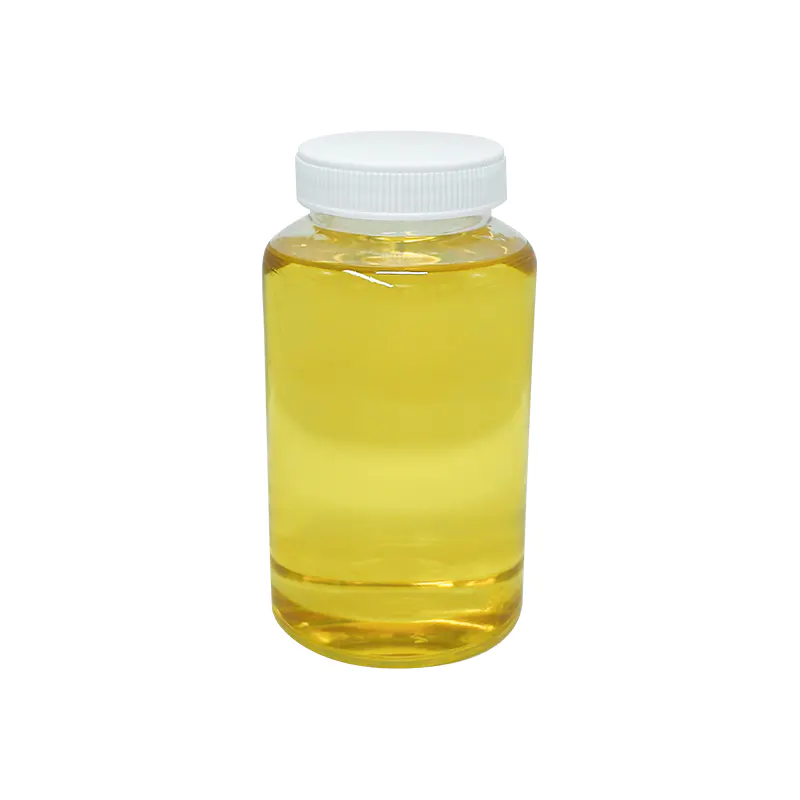
Full Synthetic C5 0W-20 Low SAPS Engine Oil
Part 1: What is Lubricant Oil?
1.1 Definition of Lubricant Oil
Lubricant Oil, commonly referred to as lubrication oil, is a type of oil used to reduce mechanical friction, protect metal surfaces, prevent corrosion, and dissipate heat. Its main function is to form an oil film that separates moving components, thereby reducing friction and wear. This not only improves mechanical efficiency but also prolongs the lifespan of equipment.
The basic functions of lubricant oil can be summarized as: reducing friction and wear, dissipating heat, preventing rust and corrosion, and cleaning internal components.
1.2 Role of Lubricant Oil in Engines
In automotive engines, Lubricant Oil is not just “oil”; it is more like the “lifeblood” of the engine. Inside the engine, there are hundreds of fast-moving components such as pistons, crankshafts, and camshafts. Without the protection of lubricant oil, these parts would wear rapidly or even seize.
The key roles of lubricant oil in engines include forming an oil film to prevent direct metal contact, reducing wear on engine parts, cooling components by carrying away heat, and cleaning internal parts by carrying away tiny particles and deposits. Clearly, Lubricant Oil is critical for Engine Maintenance, and selecting and using it properly is essential for engine health.
Part 2: Types of Lubricant Oil
2.1 Mineral Oil vs Synthetic Oil
Lubricant oils can be divided into two main types based on source and production method: mineral oil and synthetic oil.
Mineral Oil: Derived from refined crude oil, it is generally lower in cost. It is suitable for low-speed, low-load operations and has moderate chemical stability. Its advantages are affordability and availability, but it has weaker high-temperature resistance and oxidization stability, requiring more frequent changes.
Synthetic Oil: Chemically synthesized with optimized molecular structure for enhanced performance. It offers better high-temperature resistance, stable viscosity, and stronger oxidation resistance. Its advantages include improved engine efficiency, longer oil change intervals, and reduced wear. However, it is more expensive, and some older vehicles may not be suitable for full synthetic oil.
In practice, many users choose mineral or synthetic oils based on driving conditions and vehicle type. Long-distance, high-speed driving is better suited for synthetic oil, while short city trips may use mineral oil adequately.
2.2 Viscosity Grades and Application Scenarios
Viscosity grades measure the flowability of lubricant oil. If the viscosity is too low, the oil film becomes too thin to protect the engine adequately; if too high, it may increase engine resistance. Common notations include SAE grades like 5W-30 or 10W-40. The number before "W" represents low-temperature performance, with lower numbers offering better cold-start capability. The number after the dash represents high-temperature viscosity, with higher numbers providing better protection under heat.
Selecting the proper viscosity grade requires referring to the vehicle manual and considering usage conditions. For example, colder regions benefit from oils with better low-temperature flow, while hot climates or high-speed driving require oils that maintain stability under high temperatures.
2.3 Choosing Lubricant Oil Based on Environment and Usage
Choosing lubricant oil depends not only on type and viscosity but also on actual usage conditions. Factors to consider include vehicle age and wear, driving environment, climate, and engine load. Proper selection ensures stable engine performance, reduces wear, and improves fuel efficiency.
Part 3: Lubricant Oil Maintenance and Usage
3.1 Importance of Engine Maintenance
Engine maintenance is not limited to oil changes; it includes managing the entire lubrication system. Regularly checking oil level, quality, and filters can prevent severe engine damage. Common practices include monitoring oil level, inspecting oil condition, and replacing the oil filter when necessary.
3.2 Oil Change Frequency
The frequency of oil changes is crucial for prolonging engine life. Generally, mineral oil should be changed every 5,000–8,000 km, semi-synthetic oil every 8,000–10,000 km, and full synthetic oil every 10,000–15,000 km. City driving, short trips, or high-temperature conditions may require more frequent changes to maintain optimal lubricant performance.
3.3 Checking Oil Quality and Level
Checking lubricant oil quality ensures the engine operates safely. Observe the oil color, viscosity, and smell. Any abnormality may indicate the need for replacement. Ensure the oil level stays within the recommended range to avoid insufficient lubrication, which can cause engine damage.
Part 4: Benefits of Lubricant Oil
4.1 Reducing Friction and Wear
The primary role of lubricant oil is to form an oil film, reducing direct metal contact and friction, thereby extending engine component life.
4.2 Improving Engine Efficiency
Proper lubricant oil reduces energy loss, maintains stable engine temperature, and improves fuel combustion efficiency and power output.
4.3 Preventing Overheating and Corrosion
Lubricant oil dissipates heat and forms a protective layer that prevents water and contaminants from corroding engine parts.
4.4 Extending Vehicle Lifespan
Using the appropriate lubricant oil consistently reduces engine wear, lowers maintenance costs, and prolongs vehicle life.
Part 5: Common Misconceptions and Precautions
Many users make mistakes when using lubricant oil, which can negatively affect engine performance. One common misconception is that all oils can be mixed. Mixing mineral, semi-synthetic, and synthetic oils can compromise lubrication and accelerate wear. Another mistake is neglecting oil change intervals; even if the oil looks clear, its properties may degrade over time, leading to increased wear. Overfilling oil is also harmful, as it increases internal pressure and can cause foaming or pump overload. Users should also consider environmental factors, such as climate and driving conditions, to choose the correct oil viscosity. Lastly, neglecting oil filter maintenance can reduce lubrication efficiency and damage the engine.
Part 6: The Science Behind Lubricant Oil
Lubricant oil reduces friction by forming a thin oil film between metal surfaces. The thickness and uniformity of this film determine its effectiveness. High temperatures can degrade oil, reducing viscosity and protection. Synthetic oils maintain stability under high temperatures, while mineral oils may break down, forming deposits. Additives help delay oxidation and maintain lubrication properties. Additionally, lubricant oil helps cool the engine by carrying away heat and keeps the engine clean by suspending particles and preventing buildup.
Part 7: Scientific Management of Lubricant Oil
Proper management includes regular checks of oil level and quality, adjusting change intervals based on driving conditions, and ensuring proper storage to prevent oxidation or contamination. Maintaining the entire lubrication system, including filters, pumps, and oil passages, is crucial to ensure effective oil circulation and engine protection.
Part 8: Lubricant Oil in Future Technology
With advances in automotive and industrial machinery, lubricant oil is evolving to meet higher performance demands. In hybrid and electric vehicles, oils must lubricate both engine components and electric drive systems. High-load industrial machines require multi-functional oils that reduce wear, prevent corrosion, cool components, and clean debris. Optimized molecular structures and additives enhance performance while minimizing environmental impact. Lubricant oil is becoming an essential element for energy efficiency, long-term durability, and intelligent maintenance.

Conclusion
From definition and types to usage and maintenance, Lubricant Oil is critical for engine and machinery lifespan and performance. Selecting the right type and viscosity, adhering to change intervals, regularly checking oil quality and level, and avoiding common mistakes ensure comprehensive engine protection. Lubricant oil not only lubricates but also cools, cleans, and prevents corrosion, making it indispensable. Proper management of Lubricant Oil protects your engine, improves efficiency, and extends the life of vehicles and machinery. In the future, it will continue to play a vital role in high-performance and environmentally friendly technology.
HOT NEWS
-
-
Understanding CVT Fluid: Why It's So Special and Critical Unlike a traditional automatic transmissio...
+ VIEW MORE -
Introduction In the modern industrial landscape, machinery efficiency and longevity play a critical ...
+ VIEW MORE -
Introduction In modern machinery and automotive engines, Lubricant Oil plays an indispensable role. ...
+ VIEW MORE



Contact
 leanon2023@163.com
 + 86 - 4006663580
 Industrial Concentration Zone, Xinjian Town, Yixing City, Wuxi City, Jiangsu Province, China
Copyright © Leanon Petroleum Technology Co., Ltd. All Rights
Reserved
Wholesale Private Label Lubricants Manufacturers
