

 English
  русский
  Español
  عربى
عربى  中文简体
中文简体

 Industry News
Home / News & Share / Industry News / EV Coolant Selection: Conductivity, Freezing Point and OEM Supplier Criteria
EV Coolant Selection: Conductivity, Freezing Point and OEM Supplier Criteria
200+ proven lubricant solutions delivered
Content
At 400–800 V DC, the gap between a battery busbar and the grounded chassis is measured in millimeters. The fluid flowing through that gap must not carry charge. An electric vehicle coolant is a low-conductivity heat transfer fluid engineered for battery packs, electric motors, and power electronics, and it is not the same liquid poured into a combustion engine radiator. If the coolant's electrical conductivity exceeds the design limit, leakage current can follow the coolant path, accelerate electrochemical corrosion, and degrade the insulation resistance of the entire thermal system.
That is why the first filter in any EV coolant specification is conductivity, not simply the freeze point. Electric vehicle coolant selection starts with a conductivity ceiling and a documented freeze-point grade. LEANON Petroleum Technology Co., Ltd. applies this principle in its dedicated low-conductivity coolant line, formulated for the unique operating envelope of battery electric vehicles. This guide breaks down the physical constraints, freeze-point selection, supplier qualifications, and maintenance disciplines that actually matter when you buy coolant at fleet or OEM scale.
Why Conductivity Is the First Spec to Check in EV Coolant
EV coolant must keep electrical conductivity below 100 microsiemens per centimeter. This is a hard requirement for high-voltage systems, and anything above 500 microsiemens/cm is an immediate qualification failure for an OEM thermal program.
The physics is simple. Conductivity depends on dissolved ionic species. Traditional engine coolants use silicates, phosphates, and amines to protect soft metals, and those additives carry charge. When such a fluid circulates through a battery cooling plate, leakage current begins to flow from the high-voltage busbar to the grounded housing through the coolant film. Over time, that current oxidizes aluminum and copper, deposits corrosion byproducts in narrow microchannels, and reduces the thermal transfer efficiency of the battery plate.
Data makes the risk concrete. A typical conventional coolant has a conductivity of 3,000–6,000 microsiemens per centimeter. Tap water sits around 300–800 microsiemens per centimeter. A reliable EV coolant formulation, on the other hand, keeps conductivity below 100 microsiemens/cm, often below 50 in premium products.
Typical conductivity at 25 degrees Celsius
Conventional coolant
Tap water
EV coolant
The safety threshold is not a marketing figure. It is a design constraint that protects the insulation layer between the high-voltage bus and the vehicle chassis.
EV Coolant Freeze Point: 25 C, 35 C, or 45 C for Your Market
Match the freeze-point grade to the lowest ambient temperature in your target market, because a 35 C fluid will not protect a battery pack in a -30 degrees Celsius winter.
The numbers on an EV coolant label describe the freeze point of the concentrated fluid when mixed at the recommended ratio. A 25 C grade protects down to -25 degrees Celsius, a 35 C grade protects down to -35 degrees Celsius, and a 45 C grade protects down to -45 degrees Celsius. Choosing a grade that is too weak for the climate causes localized freezing near the cold end of the thermal circuit. When water freezes in the microchannel, it blocks flow. The battery pack then warms unevenly, and a hot spot can form near the insulation failure point.
| Grade | Protection limit | Suitable regions |
| 25 C | -25 C | Southern China, Southern Europe, Southeast Asia |
| 35 C | -35 C | Central China, Central Europe, Northern Japan |
| 45 C | -45 C | Russia, Scandinavia, Canada, Alaska |
For fleet managers supplying international markets, stocking three freeze-point grades is a practical way to avoid mid-winter field failures.
For a mild climate, a 25 C low-conductivity antifreeze concentrate provides sufficient margin without over-diluting the additive package.
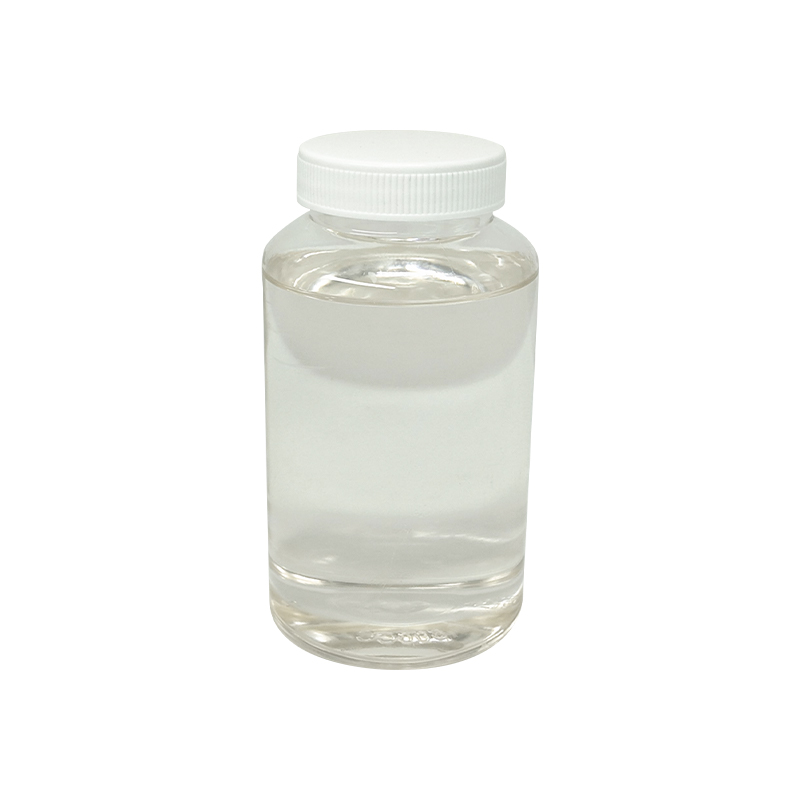 Low Conductivity -25°C Antifreeze Concentrate for Automotive CoolantThis concentrate offers customizable freeze protection for mild climates, requiring dilution with deionized water. Its inhibitor technology safeguards cooling system metals, making it a versatile choice for various vehicles.View Product →
For colder regions, a 35 C electric car antifreeze coolant fluid balances freeze protection and heat transfer efficiency.
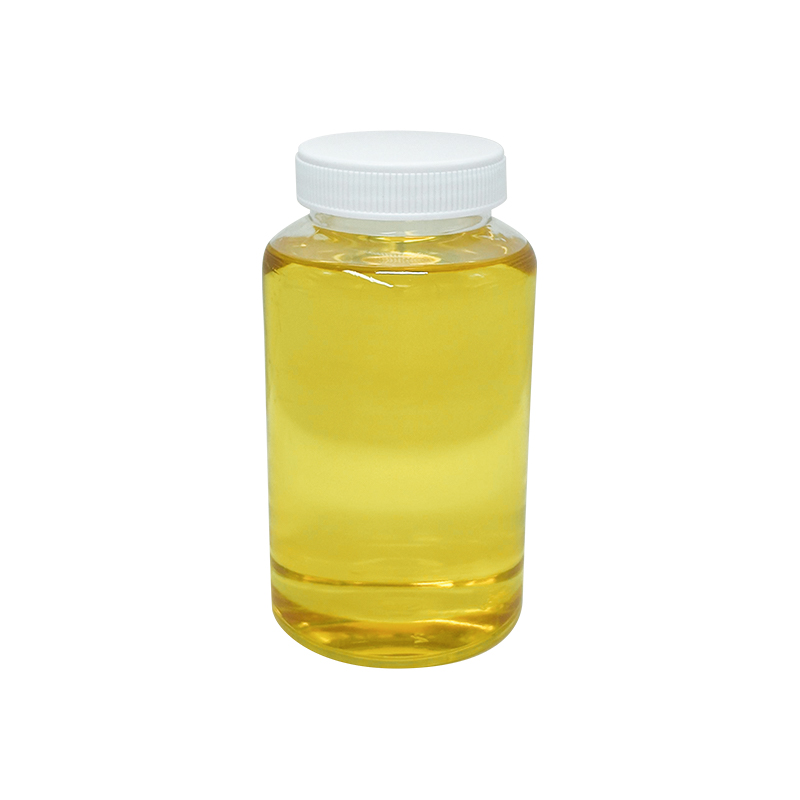
Low Conductivity -35°C Electric Car Antifreeze Coolant FluidDesigned for electric vehicles in colder regions, this fluid provides efficient heat transfer and freeze protection. Its dielectric properties ensure safe battery cooling and long-term stability.View Product →
For extreme northern climates, a 45 C EV battery coolant fluid delivers the deepest freeze protection without sacrificing conductivity.
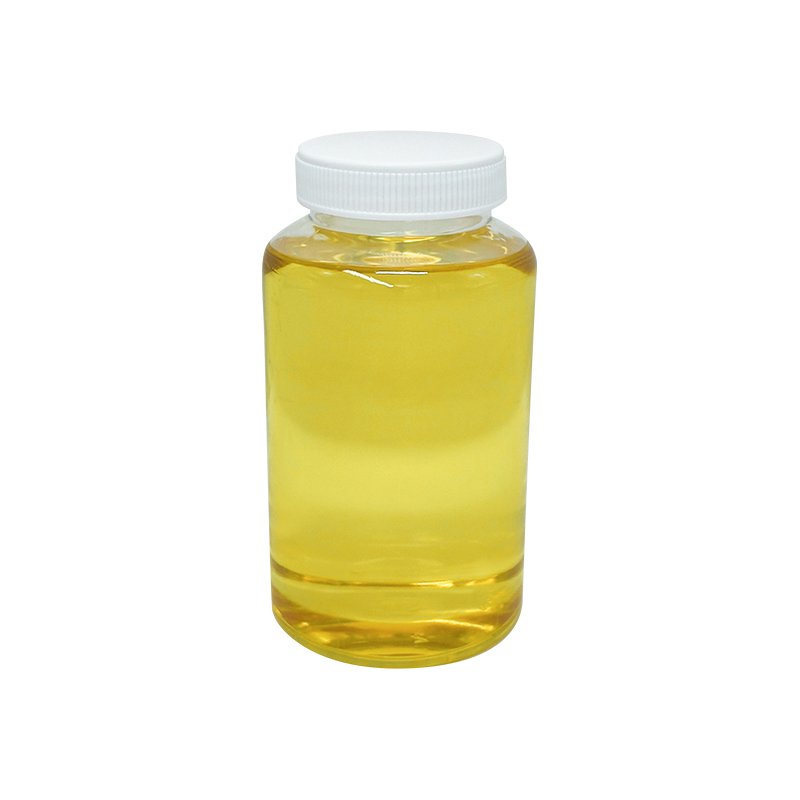
Low Conductivity -45°C EV Battery Coolant Fluid for Electric CarsFor extreme northern climates, this coolant delivers the deepest freeze protection down to -45°C. It maintains low conductivity for electrical safety and prevents corrosion in battery cooling channels.View Product →What OEM Buyers Should Expect from an EV Coolant Supplier
A qualified EV coolant supplier should provide documented conductivity limits, corrosion protection for aluminum and copper, and a formulation that does not rely on silicates or phosphates.
OEM buyers are not just comparing chemistry. They are comparing process capability. Ask a supplier for the following documents before placing a commercial order:
Conductivity test report — recorded on every production batch, not just on the formulation sheet.
Corrosion test data — aluminum, steel, and copper specimens per standards such as ASTM D1384 or equivalent.
Quality system — at minimum ISO 9001; ideally IATF 16949 for automotive supply chains.
Factory capability — blending, filling, and traceability at scale, with a stated annual capacity.
150,000 tannual lubricant capacity
<100microsiemens/cm batch limit
IATF16949 quality system
LEANON Petroleum Technology Co., Ltd. operates a 150,000-ton blending facility and maintains quality systems under IATF 16949. Its CNAS laboratory supports batch conductivity verification and formulation stability testing during production.
What a qualified supplier provides
- Batch conductivity results.
- ASTM D1384 corrosion data.
- IATF 16949 certification.
- Documented freeze-point tolerance.
Signals you should challenge
- No conductivity limit on the datasheet.
- Silicone or phosphate-based formulation.
- No batch traceability or lab accreditation.
- Freeze point sold as a single universal grade.
EV Coolant Maintenance and Safe Handling in Practice
Replace EV coolant at the OEM interval and verify conductivity every 12 months, because contamination is the fastest way to lose insulation protection.
Coolant does not wear out like engine oil, but it degrades through three mechanisms. First, water evaporation raises the concentration of ionic species. Second, external contamination from air, moisture, or residual fluid raises conductivity. Third, thermal cycling breaks down the organic acid corrosion inhibitor package.
A practical maintenance schedule for a high-voltage battery thermal system is:
- Check the coolant level in the expansion tank every service interval.
- Test conductivity every 12 months with a calibrated meter.
- Replace the coolant at the OEM interval, typically 5 years or 100,000 km.
- Use only distilled water for top-up; never use tap water or a conventional coolant.
Never mix a low-conductivity EV coolant with a conventional engine coolant. The silicate and phosphate additives in a standard coolant immediately raise conductivity above the safe threshold and can nullify the entire protection strategy.
If a vehicle has been flooded or the thermal system has been opened for repair, replace the coolant rather than reusing it. The risk of ionic contamination is simply too high.
Frequently Asked Questions
Can I use standard car coolant in an electric vehicle?
No. Standard engine coolant contains silicate and phosphate additive packages that lift conductivity above 1,000 microsiemens per centimeter, which is far beyond the design limit for a high-voltage battery system.
How often should EV coolant be replaced?
Most OEMs specify a first change at 5 years or 100,000 km, followed by replacement every 3 years. A conductivity test every 12 months gives an earlier warning without waiting for the full interval.
What happens if EV coolant conductivity rises too high?
Insulation resistance falls, leakage current increases, and electrochemical corrosion accelerates inside the battery cooling plate. In extreme cases, the coolant can conduct voltage to the vehicle chassis, creating a safety risk.
Is lower conductivity always better in EV coolant?
Not always. If conductivity is reduced by removing all dissolved solids, freeze protection and corrosion inhibition can also drop. The objective is a formulation that keeps conductivity below 100 microsiemens per centimeter while maintaining a stable additive package.
HOT NEWS



Contact
 leanon2023@163.com
 + 86 - 4006663580
 Industrial Concentration Zone, Xinjian Town, Yixing City, Wuxi City, Jiangsu Province, China
Copyright © Leanon Petroleum Technology Co., Ltd. All Rights
Reserved
Wholesale Private Label Lubricants Manufacturers
