

 English
  русский
  Español
  عربى
عربى  中文简体
中文简体

 Industry News
Home / News & Share / Industry News / Air Compressor Oil Selection Guide: Viscosity, Synthetic vs Mineral, Service Life
Air Compressor Oil Selection Guide: Viscosity, Synthetic vs Mineral, Service Life
200+ proven lubricant solutions delivered
Content
Industry maintenance records attribute roughly 60% of premature air compressor capital cost to lubricant-related failures. The oil in your compressor's crankcase does more than reduce friction: it carries away compression heat, seals the rotor clearances, and slows the oxidation that eventually kills bearings, vanes, and piston rings. When the oil chemistry breaks down, the compressor follows within weeks.
Choosing the right product is a two-variable exercise: a compressor's oil is matched to one specific viscosity grade and one specific base oil chemistry. LEANON Petroleum Technology Co., Ltd. manufactures both mineral and full synthetic air compressor oils at its 150,000-ton-per-year facility, and every batch is tested in a CNAS laboratory before shipment.
60%
of premature compressor failures trace back to oil
2,000
hours between mineral oil change intervals
8,000
hours between full synthetic oil change intervals
Roughly 40% of air compressor maintenance cost traces back to oil-related issues, not mechanical wear or electrical faults, but degraded lubricant chemistry.
What Air Compressor Oil Does Beyond Lubrication
A single compression cycle in a rotary screw element can push oil film temperatures above 150 C, which means the oil must handle heat, water, and high shear simultaneously without breaking down. Four jobs determine whether the oil composition is appropriate for the duty cycle.
- Heat removal - Oil absorbs compression heat and carries it to the cooler. Poor heat transfer raises discharge temperature, accelerates oxidation, and shortens oil life.
- Sealing - Oil fills the clearance gaps between screw rotors and piston rings. In a rotary screw compressor, this sealing film is directly responsible for energy efficiency.
- Corrosion protection - Compressed air contains moisture and condensation. The oil's anti-corrosion additives neutralize water and acids that would otherwise attack the compressor element.
- Wear protection - A thin hydrodynamic film prevents metal-to-metal contact. When the film breaks down, the first sign is elevated vibration, then localized wear on the rotors.
The compressor oil viscosity also determines the strength of that film. An oil that is too thin cannot separate the rotor surfaces at high shear, and an oil that is too thick will not flow quickly enough to fill the same gap.
The rule of thumb: if oil temperature rises by 10 C, the oxidation rate roughly doubles. Cooling is a lubrication issue before it is a maintenance issue.
Synthetic vs Mineral Air Compressor Oil: Which Should You Run?
Run a full synthetic when the compressor is rotary screw or operates at high duty cycles. Run a mineral oil only for piston and reciprocating compressors with moderate discharge temperatures. The decision is about thermal stability, not cost. Synthetic oils made from PAO or diester base stocks resist oxidation far longer than refined mineral oils, and they hold viscosity across a much wider temperature range.
| Parameter | Mineral oil | Full synthetic |
| Oxidative stability | 2,000-3,000 hrs | 8,000-10,000 hrs |
| Thermal breakdown | 130-150 C | 170-190 C |
| Viscosity index | 95-105 | 140-160 |
| Varnish tendency | High | Low |
| Initial cost | Low | Medium-high |
For a rotary screw compressor running continuously at 100 C discharge temperature, the LEANON LDAH 46 full synthetic oil is formulated with antioxidants and anti-wear additives that hold the oil film well beyond the 8,000-hour mark.
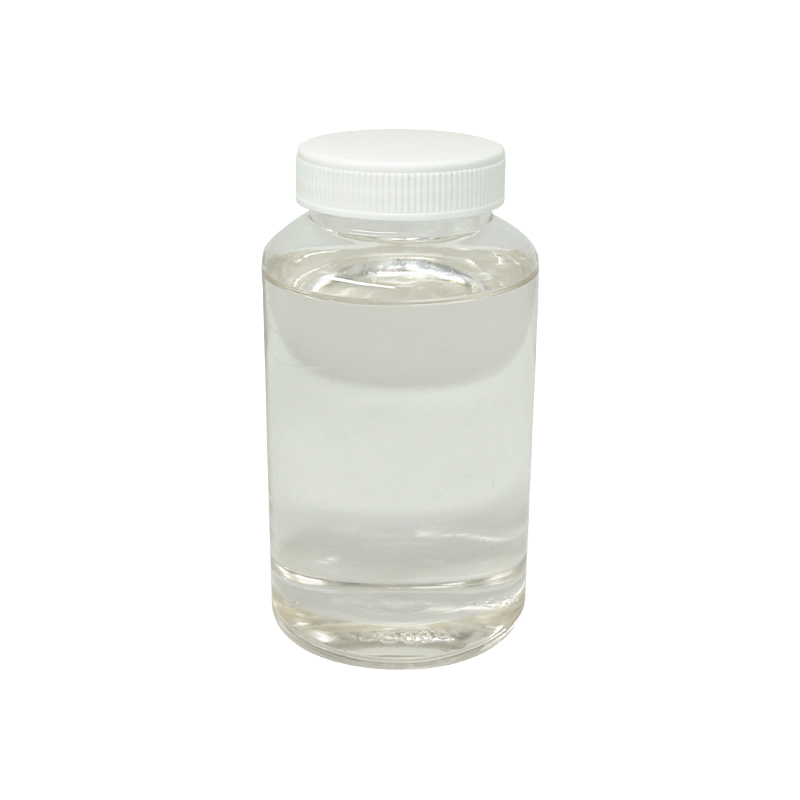 L-DAH 46 Synthetic Oil for Rotary Screw and Piston CompressorsA full synthetic oil with antioxidants and anti-wear additives, designed to maintain film strength at high discharge temperatures and extend drain intervals up to 8,000 hours.View Product →
On the mineral side, LDAB 100 is a high-viscosity mineral lubricant developed for reciprocating compressors that run at lower sump temperatures and need a heavier film to seal piston rings.
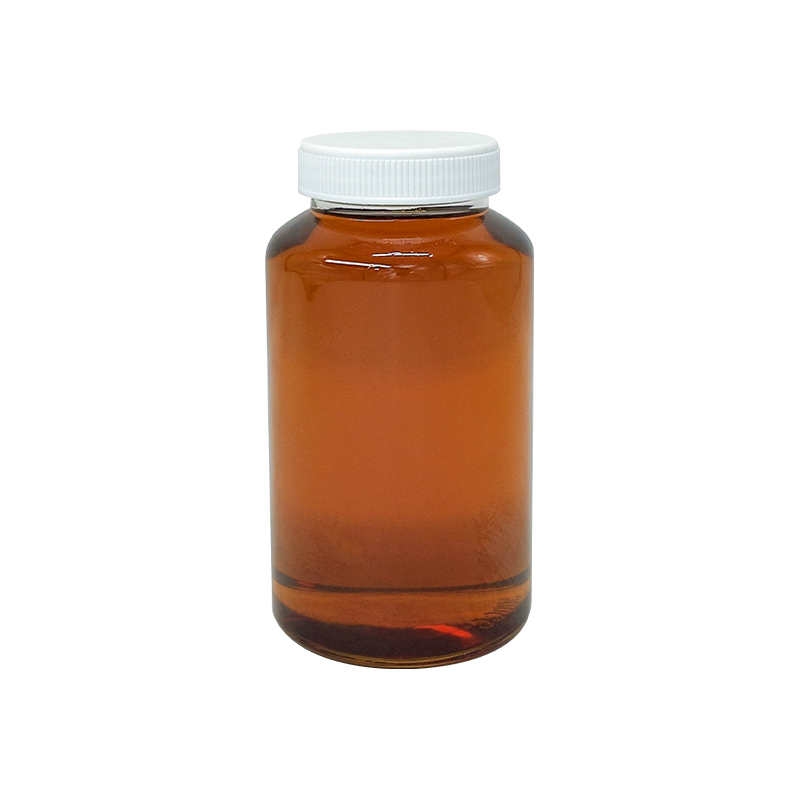
L-DAB 100 Mineral Lubricant for Reciprocating Piston CompressorsA high-viscosity mineral oil that controls carbon deposits and separates water, suited for low sump temperatures and heavier film needs in piston compressors.View Product →
Total cost of ownership is not about the price per drum. A synthetic oil that lasts three times longer reduces oil change labor, filter replacement, and downtime hours significantly enough to offset the higher unit cost.
Matching ISO Viscosity Grade to Your Compressor Type
ISO VG 46 is the default viscosity for most rotary screw compressors; ISO VG 32 fits single-stage and high-speed units, while ISO VG 100 and 150 serve reciprocating compressors. Viscosity is the single most misunderstood selection parameter in air compressor oil. If the oil is too thin, the hydrodynamic film breaks down and the compressor element wears. If it is too thick, the oil cannot flow fast enough to the compression chamber, cooling drops, and the machine consumes more power.
Average service life in rotary screw compressors
Mineral
2,000 hrs
Semi-synthetic
4,000 hrs
Full synthetic
8,000 hrs
For high-speed rotary screw units operating above 3,600 rpm, the LEANON LDAH 32 synthetic oil provides the lower viscosity needed for fast oil return while keeping adequate film strength at operating temperature.
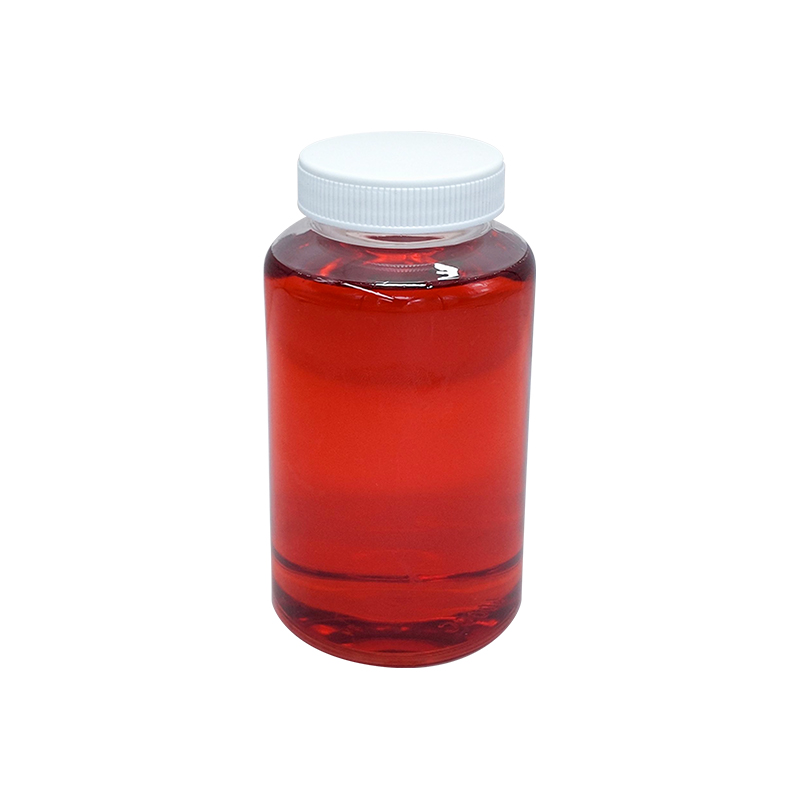
L-DAH 32 Synthetic Oil for High-Speed Rotary Screw CompressorsA lower-viscosity synthetic oil for fast oil return above 3,600 rpm, providing adequate film strength and oxidation resistance for continuous operation.View Product →
Viscosity selection is not a size-fit problem. It is a speed, temperature, and pressure problem that changes with every compressor model.
When to Change Air Compressor Oil: Signs and Intervals
Change mineral-based air compressor oil every 2,000 operating hours and full synthetic oil every 8,000 hours or once per year, whichever comes first. The failure signs are usually visible before the compressor stops working. Recognizing them early can save the compressor element.
- Oil darkens and no longer lightens when wiped on a clean cloth
- Sludge or varnish forming on the oil cooler underside
- Discharge temperature climbs significantly above the baseline recorded with new oil
- Oil consumption increases beyond 1-2% of compressor output
- New metallic noise or vibration from the compressor element
- Check oil level and visual condition every week
- Take an oil sample at 1,000 hours for mineral oil and 4,000 for synthetic
- Replace oil and oil filter at the full service interval
- Inspect or replace the oil separator element at the same interval
A compressor running 8,000 hours per year on mineral oil needs four oil changes. The same compressor on full synthetic needs one.
How to Qualify an Air Compressor Oil Supplier
Never buy air compressor oil from a supplier who cannot tell you the exact base oil chemistry and additive package for each product. Consistency is what separates a genuine manufacturer from a re-labeler. A batch of air compressor oil should ship with a certificate of analysis, and the viscosity and flash point values should repeat within tight tolerances from one delivery to the next.
- ISO 9001 quality system and IATF 16949 automotive quality management for supply chain credibility
- A qualified laboratory, such as a CNAS laboratory, for batch release testing
- Product traceability from raw material to finished drum
- A documented change management process that notifies buyers before formula changes
A plant that runs its own CNAS laboratory and smart factory can verify each batch before it ships. A good industrial lubricant supplier also publishes an industrial lubricant guide so that buyers can match products to operating conditions.
LEANON Petroleum Technology Co., Ltd. runs 150,000 tons of annual capacity across an 80,000-square-meter plant, with CNAS lab verification on every production batch and a full OEM/ODM program for companies that want to launch their own compressor oil brand.
Air Compressor Oil FAQ
Can I use car engine oil in my air compressor?
No. Engine oil is formulated with detergent and dispersant chemistry designed for combustion byproducts, while air compressor oil uses anti-varnish and oxidative stability additives optimized for clean air systems. Running engine oil in a compressor causes varnish buildup, poor sealing, and rapid element failure.
How long does synthetic air compressor oil last?
Under normal operating conditions, 8,000 to 12,000 hours. The exact interval depends on discharge temperature, humidity, and duty cycle. Compressors that run at a high discharge temperature need oil changes at the short end of the range, while cooler-running units can push beyond 12,000 hours.
What temperature does air compressor oil operate at?
In a typical rotary screw compressor, the sump runs between 70 and 90 C, and the discharge temperature reaches 100 to 150 C. The oil film inside the compression element can briefly exceed 150 C, which is why thermal stability is the most important property in air compressor oil selection.
Does air compressor oil foam? What causes it?
Yes, under certain conditions. Foaming is caused by moisture contamination, a saturated oil separator, or the wrong viscosity grade. Condensate carries water into the oil sump, and the combination of water, fine oil mist, and high shear creates foam. Drain condensation regularly and check the separator filter.
HOT NEWS



Contact
 leanon2023@163.com
 + 86 - 4006663580
 Industrial Concentration Zone, Xinjian Town, Yixing City, Wuxi City, Jiangsu Province, China
Copyright © Leanon Petroleum Technology Co., Ltd. All Rights
Reserved
Wholesale Private Label Lubricants Manufacturers
