

 English
  русский
  Español
  عربى
عربى  中文简体
中文简体

 Industry News
Home / News & Share / Industry News / Choosing a Private Label Lubricant Manufacturer | OEM/ODM Oil Brand Partner
Choosing a Private Label Lubricant Manufacturer | OEM/ODM Oil Brand Partner
200+ proven lubricant solutions delivered
Content
- 1 What a Private Label Lubricant Manufacturer Actually Delivers
- 2 Quality and Technical Capability: What to Verify First
- 3 Evaluate the Product Range Against Your Target Markets
- 4 Documentation and Compliance: The Layer Most Buyers Underestimate
- 5 Capacity, Packaging, and Long-Term Supply Security
- 6 Checklist Before You Commit to a Private Label Lubricant Manufacturer
- 7 Final Thought
Suppose you are preparing to launch your own lubricant brand. You have a name, a target market, and a rough product idea, but you do not own a blending plant or a laboratory. In that position, the single most consequential decision is selecting a private label lubricant manufacturer.
The short answer: choose a manufacturer that combines verifiable quality programs, a wide enough product range, and the production scale to keep your supply chain stable. Once those fundamentals are in place, branding, packaging, and pricing become manageable.
What a Private Label Lubricant Manufacturer Actually Delivers
Private label means your company owns the brand while the manufacturer handles formulation, blending, packaging, testing, and documentation. This model is used by distributors, importers, parts suppliers, and workshops that want to sell lubricants under their own identity without investing in production assets.
LEANON Petroleum Technology is one company applying this model. It describes itself as an integrated manufacturer covering production, research, development, and sales. Its company background explains how it built a modern lubricant plant with an annual capacity of 150,000 tons and a site area of roughly 80,000 square meters, supported by an RMB 200 million investment. LEANON also positions its OEM and ODM service as a complete brand launch solution, which means the manufacturer is expected to carry the project from product definition to market readiness.
In practice, the manufacturer should do more than fill bottles. It should help you select the right grades, prepare technical data sheets, provide safety data sheets, and explain the standards behind each product.
Quality and Technical Capability: What to Verify First
Quality is the easiest claim to make and the hardest to prove. Start by checking which management systems the factory actually operates.
Management System Certifications
A credible automotive lubricant supplier should hold ISO 9001 for quality management and IATF 16949 for automotive supply chain quality. LEANON also lists ISO 14001 for environmental management and ISO 45001 for occupational health and safety. These certifications, when current, indicate that the factory follows defined procedures rather than improvisation.
Laboratory Depth and Batch Release
In-house testing makes a meaningful difference. LEANON has a CNAS laboratory facility, and this is worth exploring during supplier evaluation. Ask which tests are performed in-house, whether every production batch is tested before release, and whether the lab can provide retained samples or audit documentation. Viscosity checks alone are not enough; a complete lab should also verify flash point, low-temperature performance, and other specification limits.
Evaluate the Product Range Against Your Target Markets
Your private label line should match the vehicles and equipment your customers actually operate. A manufacturer with a narrow catalog forces you to manage multiple supply relationships, which raises cost and weakens brand consistency.
Passenger Car Engine Oils
For a retail and workshop audience, synthetic gasoline engine oils are the backbone of the lineup. A full synthetic SQ 0W-20 engine oil suits modern vehicles designed for low-viscosity, fuel-efficient lubricants. If your market includes European cars, you will also need ACEA C3 or C5 low-ash grades for turbocharged engines and emissions systems.
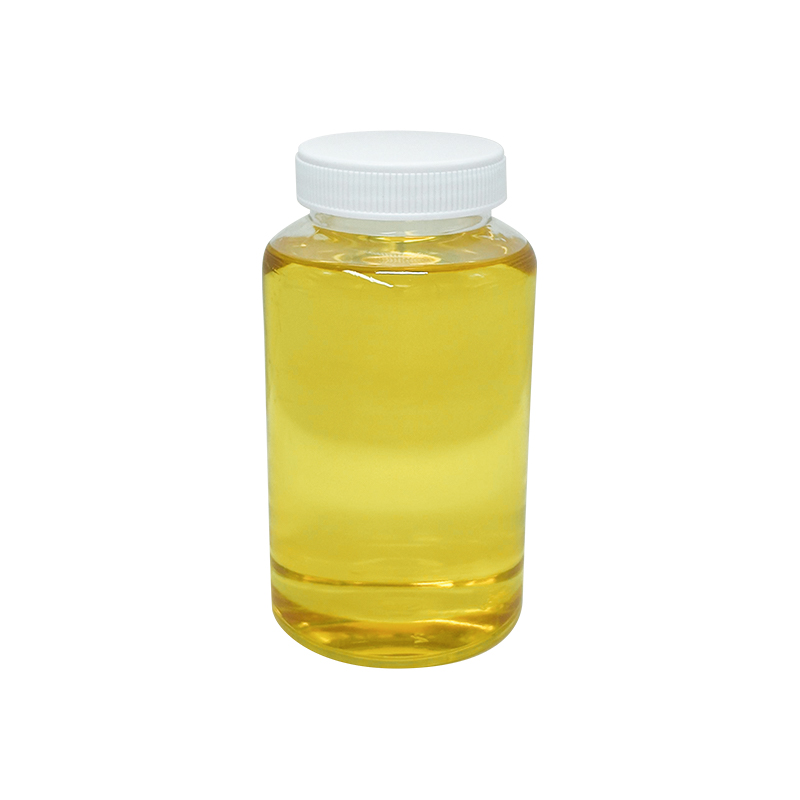 Custom Full Synthetic Heavy Duty SQ 0W-20 Engine Oil Suppliers, Factory, ExporteLeanon Petroleum Technology Co., Ltd. Is China Custom Full Synthetic Heavy Duty SQ 0W-20 Engine Oil Suppliers, Factory, Exporter, SQ 0W-2...View Product →
Diesel Engine Oils for Commercial and Agricultural Users
Diesel oil demand does not stop at trucks. Construction fleets, farm equipment, and light commercial vehicles all create repeat demand. A strong private label partner should cover API categories from CH-4 and CI-4 to the latest CK-4 oils used in modern emissions-controlled engines. The CK-4 5W-40 full synthetic diesel engine oil, for example, combines synthetic base stock with heavy-duty protection for late-model diesel engines.
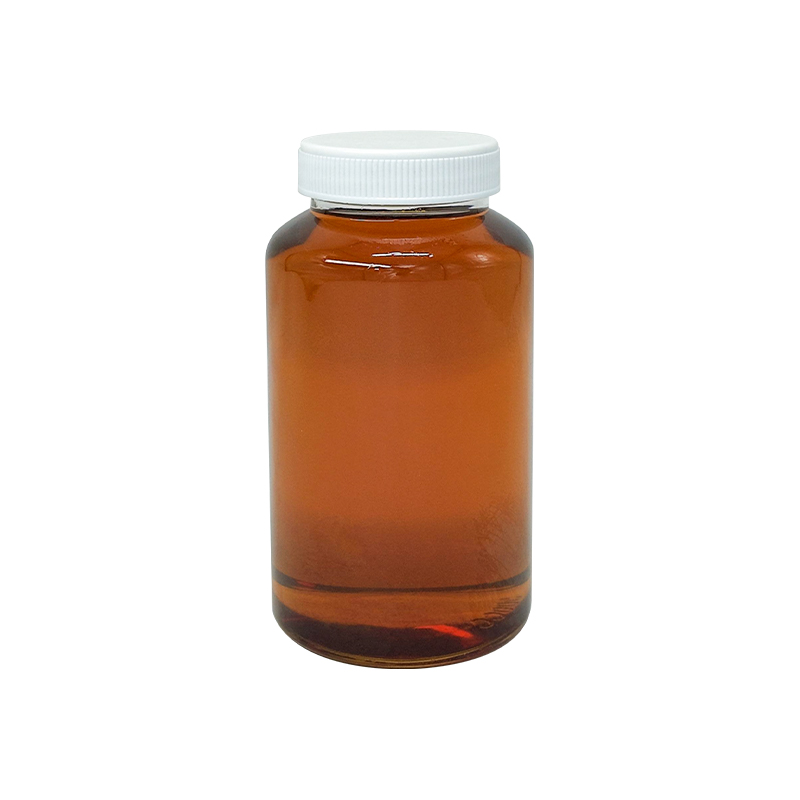 Custom CK-4 5W40 Full Synthetic Heavy Duty Diesel Engine Oil for Trucks & FleetsLeanon Petroleum Technology Co., Ltd. Is China Custom CK-4 5W40 Full Synthetic Heavy Duty Diesel Engine Oil for Trucks & Fleets Suppliers...View Product →
Transmission, Brake, and Cooling Fluids
Workshops and dealers prefer to buy as many fluids as possible from one trusted supplier. Automatic transmission fluids, CVT fluids, DCT fluids, and gear oils must match OEM specifications. Brake fluid should be available in DOT3, DOT4, and DOT5.1 grades to cover older vehicles, European cars, and high-performance braking systems.
Coolant is a growing product category, especially as electric vehicles enter the service market. A low-conductivity EV coolant prevents electrical damage and corrosion in battery thermal management systems, so it belongs in any forward-looking private label catalog.
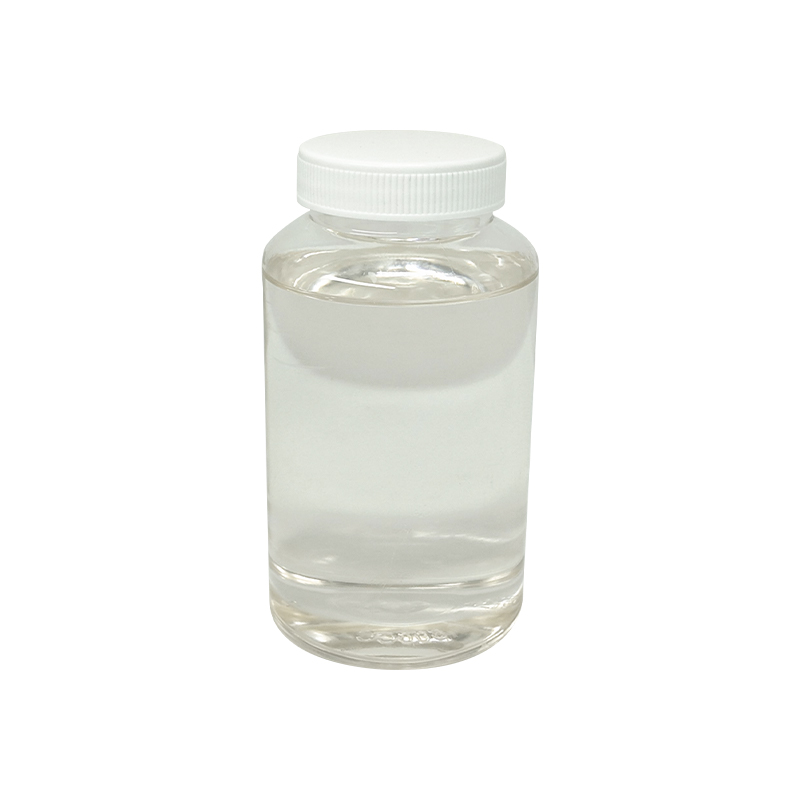 Custom Low Conductivity -35°C Electric Car Antifreeze Coolant Fluid(EVC-Ⅱ-35) SuLeanon Petroleum Technology Co., Ltd. Is China Custom Low Conductivity -35°C Electric Car Antifreeze Coolant Fluid(EVC-Ⅱ-35) Suppliers, F...View Product →
Industrial Oils
Industrial lubricants, including hydraulic oils, gearbox oils, and compressor oils, give your brand access to buyers outside the automotive workshop. If you already serve factories or farms, these products increase the value of each customer relationship.
The table below summarizes what should be checked for each product category.
| Product category | Key specifications | Typical end users |
|---|---|---|
| Gasoline engine oil | Viscosity, API or ACEA category, ash content | Private car owners, workshops, fleets |
| Diesel engine oil | API category, viscosity, emissions level | Truck fleets, farming and construction |
| Transmission fluids | OEM specification, friction performance | Automatic and CVT service centers |
| Brake fluid | DOT grade, dry and wet boiling point | Vehicle service and safety inspections |
| Coolants | Silicate content, temperature rating, conductivity | Cooling system maintenance and EV service |
Documentation and Compliance: The Layer Most Buyers Underestimate
A private label lubricant launch depends on documents as much as on chemistry. Technical data sheets and safety data sheets are mandatory for most distribution channels. Depending on your market, you may also need to prove that the oil satisfies API or OEM specifications. LEANON publishes an API and OEM specifications guide, and a good manufacturing partner should be equally transparent about what its products do and do not carry.
Ask about batch numbers, certificates of analysis, and record retention. If a customs authority questions an import or a customer raises a claim, traceability keeps the problem from becoming a crisis.
Capacity, Packaging, and Long-Term Supply Security
Capacity shapes your ability to grow. A manufacturer with 150,000 tons of annual capacity can accommodate volume increases, seasonal peaks, and urgent replenishment orders. Smaller blenders may become constraints precisely when your brand gains traction.
Packaging is the other practical variable. Confirm the available bottle formats, label options, carton configurations, and minimum order quantities. The right balance depends on your projected sales volume and target price position. A full brand launch solution normally includes packaging support, but you should still define your requirements clearly before signing.
Checklist Before You Commit to a Private Label Lubricant Manufacturer
- Verify current management system certifications for quality, environment, and health and safety.
- Inspect the laboratory and request evidence of batch testing and retained samples.
- Review the product lineup against the vehicle and equipment segments you plan to serve.
- Request technical data sheets, safety data sheets, and compliance documentation for every grade.
- Confirm annual capacity, packaging options, and minimum order quantities.
- Test samples independently before committing to a full production run.
Final Thought
The right private label lubricant manufacturer treats your brand as a long-term project. It offers verifiable quality systems, a broad and coherent product range, and enough production capacity to protect your supply chain. Start with a focused product line, validate the technical claims, and expand only as the market confirms demand.
HOT NEWS



Contact
 leanon2023@163.com
 + 86 - 4006663580
 Industrial Concentration Zone, Xinjian Town, Yixing City, Wuxi City, Jiangsu Province, China
Copyright © Leanon Petroleum Technology Co., Ltd. All Rights
Reserved
Wholesale Private Label Lubricants Manufacturers
