

 English
  русский
  Español
  عربى
عربى  中文简体
中文简体

 Industry News
Home / News & Share / Industry News / Automotive Lubricants Meaning Explained: Engine Oils, Standards & Selection
Automotive Lubricants Meaning Explained: Engine Oils, Standards & Selection
200+ proven lubricant solutions delivered
Content
- 1 Automotive Lubricants Meaning: What the Label Tells You
- 2 The Four Core Jobs of Every Automotive Lubricant
- 3 Automotive Lubricants Meaning in Classification Systems
- 4 Mineral vs Synthetic: What Really Defines a Quality Oil
- 5 A Practical Way to Choose the Right Product
- 6 FAQ: Automotive Lubricants Meaning in Everyday Language
A fleet maintenance manager opens a workshop cabinet and sees three different bottles: 5W-30 full synthetic, 10W-40 high-mileage oil, and a CVT-specific transmission fluid. Each label carries a specification that determines engine wear, fuel economy, and service intervals. Automotive lubricants meaning extends beyond any single product; it is the system of viscosity grades, API and ACEA service categories, and base oil chemistry that keeps a vehicle reliable between maintenance visits.
Automotive lubricants meaning defines every fluid engineered to reduce friction and protect moving components inside a vehicle's engine, transmission, and thermal systems.
Automotive Lubricants Meaning: What the Label Tells You
Automotive lubricants are not a single product category. The term covers engine oil for gasoline and diesel engines, automatic and manual transmission fluids, gear and differential oil, brake fluid, and engine coolant. Each formulation is built around a different base oil chemistry and a different additive package, engineered for the loads, temperatures, and materials that the component must withstand.
For a buyer evaluating a bottle, the label carries three data points: the SAE viscosity grade (5W-30, 10W-40, 0W-20), the API or ACEA service category (API SP, CK-4, A3/B4, C3, C5), and the base oil type (mineral, semi-synthetic, or full synthetic). These three variables define the performance envelope of the product. A 5W-30 that meets API SP will not perform the same job as a 5W-30 that meets ACEA C5, even though both flow the same way at cold start.
Every label also carries a recommendation for the operating environment. The correct choice is defined by the vehicle's emission stage, its fuel type, and the climate where it runs. For a detailed walkthrough of how API categories align with engine needs, see this article on how to select the right gasoline engine oil for maximum performance.
Core definition: An automotive lubricant is a formulated fluid that interposes a protective film between two moving metal surfaces inside a vehicle's mechanical system, reducing friction, carrying away heat, and keeping the system free of contaminants.
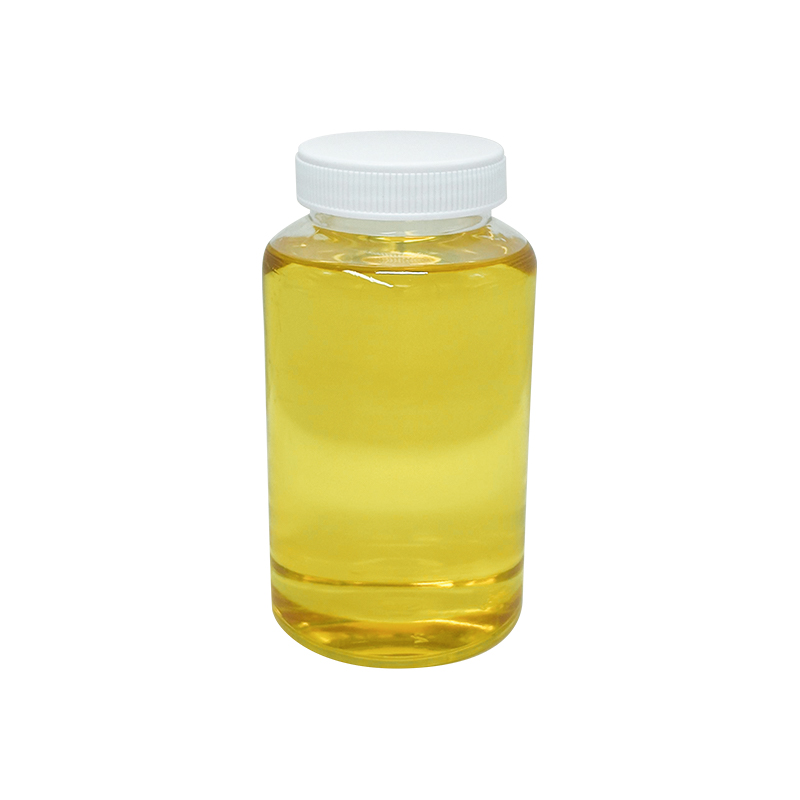 SQ 5W-30 Full Synthetic Motor Oil for Gasoline EnginesThis fully synthetic 5W-30 oil balances fuel efficiency, high-temperature protection, and engine cleanliness for modern cars. Its formulation helps reduce friction and prevent sludge, supporting the four core jobs of a lubricant.View Product →
The Four Core Jobs of Every Automotive Lubricant
Every lubricant in a vehicle must perform four jobs. Understanding them makes it easier to see why a specific standard matters.
1. Friction Control
A lubricant separates moving surfaces and prevents metal-to-metal contact. In an engine, this is the direct driver of wear and the reason why viscosity must match the operating temperature and load profile.
2. Heat Transfer
Engine oil carries heat from high-temperature areas like the piston crown to the oil pan, where it can be dissipated. Transmission fluid does the same job inside a gearbox.
3. Contamination Management
Dispersants and detergents keep soot, sludge, and oxidation by-products suspended in the oil so they do not settle on critical surfaces.
4. Sealing and Protection
The oil film protects bearings and journals against corrosion and helps seals maintain a tight fit against rotating shafts. This is particularly important in a transmission, where the fluid is constantly pumped through narrow passages.
Published tribology research indicates that friction in the engine and transmission accounts for roughly 10 percent of the fuel energy consumed in a passenger car.
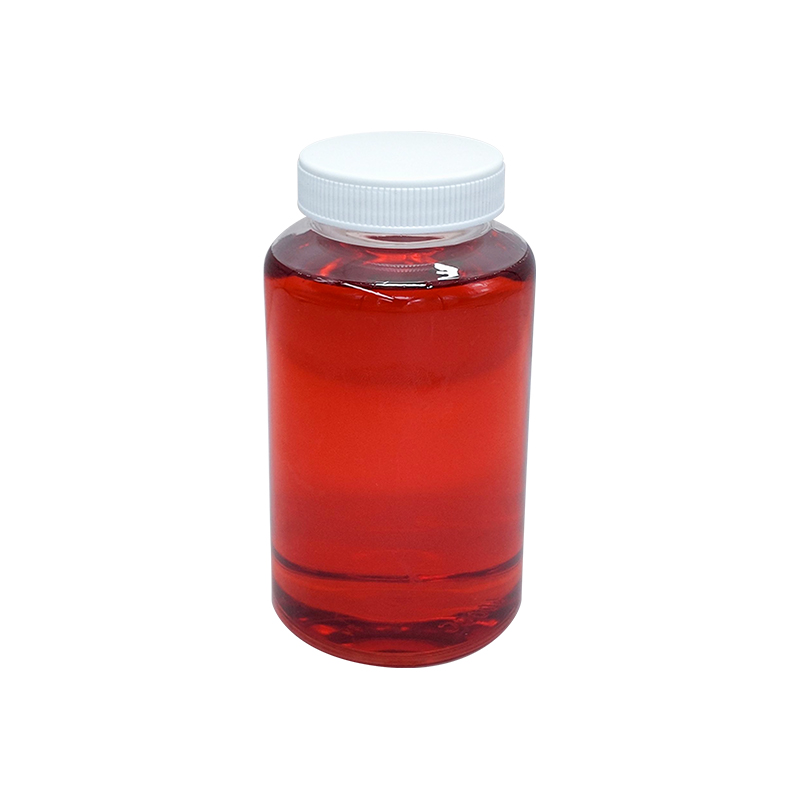 ATF-6L Full Synthetic Automatic Transmission Fluid (Dexron VI)Designed to meet Dexron VI specs, this fluid improves friction durability and thermal stability. By reducing transmission drag, it can enhance fuel economy and provide smooth, precise shifting for compatible vehicles.View Product →
Automotive Lubricants Meaning in Classification Systems
The classification system converts a lubricant's chemical and physical behavior into a label that a mechanic or fleet manager can read without a lab. Two systems matter most: SAE for viscosity and API or ACEA for service performance.
SAE viscosity grades use the W number for cold-temperature flow and the second number for high-temperature viscosity. A 5W-30 flows like a 5-weight oil at cold start and behaves like a 30-weight oil at operating temperature.
- SAE viscosity grade defines cold-flow and high-temperature behavior.
- API categories cover gasoline and diesel engine performance (SP, SN, CK-4, CI-4).
- ACEA categories address European vehicle standards (A3/B4, C3, C5).
The table below summarizes the main automotive lubricant categories a typical workshop will encounter.
| Category | Primary Application | Key Specification |
| Gasoline engine oil | Passenger cars, SUVs, light trucks | API SP, ILSAC GF-6, ACEA A3/B4 or C3 |
| Diesel engine oil | Trucks, vans, off-road machines | API CK-4, CI-4, CH-4, ACEA E4/E6 |
| Automatic transmission fluid | Automatic gearboxes | Dexron VI, Mercon V, or OEM spec |
| Gear oil | Differentials, manual gearboxes, final drives | API GL-4, GL-5 |
| Brake fluid | Hydraulic brake system | DOT 3, DOT 4, DOT 5.1 |
| Engine coolant | Engine thermal management | OEM approval or low-silicate formula |
Viscosity Grade Operating Range
Typical ambient temperature range for common SAE grades
Bar width represents the approximate low-to-high ambient temperature range for each grade.
Mineral vs Synthetic: What Really Defines a Quality Oil
The base oil determines the performance ceiling. Mineral oil comes from refined crude, synthetic oil is engineered from tailored molecules, and semi-synthetic blends combine both.
Mineral oil has a wider viscosity swing between cold and hot, which means more friction at cold start and more thinning at high temperature in the same engine. This is acceptable for older engines or short-lifetime service, but it sets a clear limit on drain intervals.
A full synthetic base maintains its viscosity over a much wider temperature range. It also resists oxidation better, which is why a single drain interval can often be 50 to 100 percent longer.
Mineral Oil
Lower oxidation resistance, wider viscosity swing between cold and hot, and a shorter service life. Useful for vintage engines or low-cost maintenance programs.
Full Synthetic
Better oxidation stability, lower cold-start drag, longer drain intervals, and a cleaner engine interior. Higher purchase price, but fewer wear-related failures.
For a fleet running a single vehicle mix, the total cost of ownership usually favors synthetic oil even when the sticker price is double.
A Practical Way to Choose the Right Product
Selection starts with the owner's manual and ends with a budget decision. Follow this sequence.
- Read the owner's manual. It states the required API or ACEA category and the recommended viscosity for the climate.
- Match the emission standard. A diesel truck with a DPF and SCR system requires a low-ash oil formulated for aftertreatment protection, such as API CK-4.
- Factor in climate and duty cycle. Stop-and-go city traffic and short trips create more oxidation and condensation, so a synthetic oil with high-temperature stability makes sense.
- Set the final drain interval. A full synthetic can extend the oil change window by 50 to 100 percent compared to mineral oil.
Every decision should be made with the total cost of ownership in mind. A full synthetic that costs double the mineral option usually pays for itself through reduced wear and fewer maintenance hours.
LEANON Petroleum Technology Co., Ltd. manufactures a full range of automotive lubricants with an annual production capacity of 150,000 tons, covering gasoline and diesel engine oils, transmission fluids, gear oils, brake fluids, and coolants. The company also offers OEM and ODM brand services.
An OEM-recommended 5W-30 (API SP or ACEA C5) is now the standard for most modern passenger vehicles.
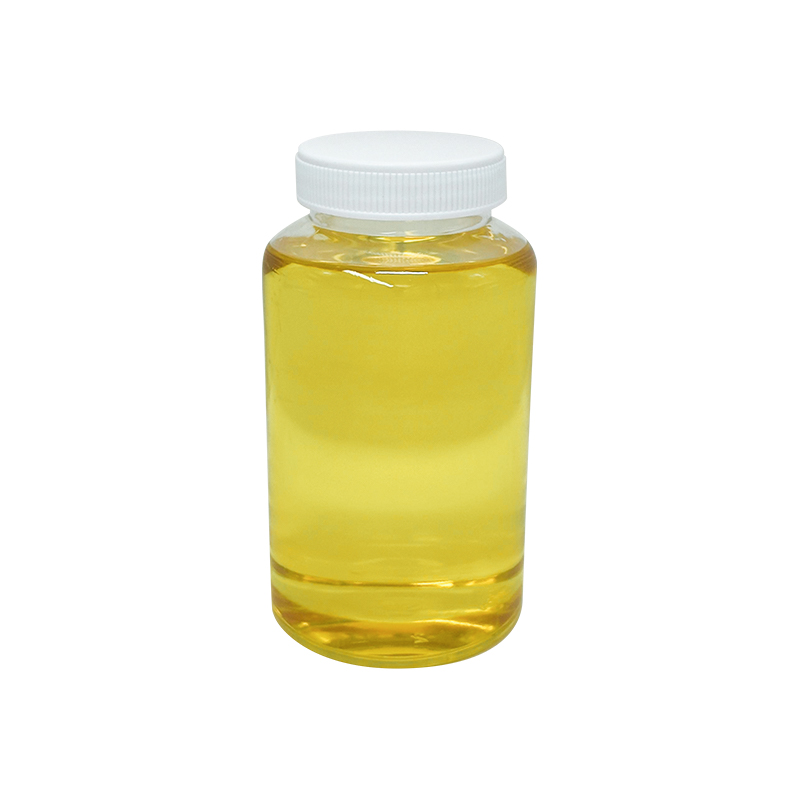 C3 5W-30 Engine Oil for High-Performance European CarsThis ACEA C3 compliant oil offers strong high-temperature shear stability, protecting turbocharged engines. Its Mid-SAPS formula safeguards exhaust aftertreatment systems, making it suitable for luxury European vehicles.View Product →
FAQ: Automotive Lubricants Meaning in Everyday Language
What does the W in 5W-30 mean?
The W stands for winter. The number before the W indicates the oil's flow characteristics at cold temperatures; the second number indicates viscosity at operating temperature.
Can I mix different brands of engine oil?
Mixing brands is generally safe if the API/ACEA category and viscosity grade match, but additive packages differ between manufacturers. For best results, use one consistent product and change the oil filter at the same time.
How often should automotive lubricants be changed?
Change intervals follow the owner's manual or the oil's service life. Full synthetic oils commonly run 10,000 to 15,000 km, while mineral oils typically need replacement around 5,000 km.
Is synthetic oil worth the price?
Yes for extended drain intervals and cold-start protection. The initial cost difference is offset by reduced wear and longer engine life.
Use the owner's manual as the first filter, and confirm the product label against the API, ACEA, or OEM specification before buying.
HOT NEWS



Contact
 leanon2023@163.com
 + 86 - 4006663580
 Industrial Concentration Zone, Xinjian Town, Yixing City, Wuxi City, Jiangsu Province, China
Copyright © Leanon Petroleum Technology Co., Ltd. All Rights
Reserved
Wholesale Private Label Lubricants Manufacturers
