

 English
  русский
  Español
  عربى
عربى  中文简体
中文简体

 Industry News
Home / News & Share / Industry News / How to Select the Right Gasoline Engine Oil for Maximum Engine Protection?
How to Select the Right Gasoline Engine Oil for Maximum Engine Protection?
200+ proven lubricant solutions delivered
Content
- 1 Understanding the Engineering Functions of Gasoline Engine Oil
- 2 Viscosity Selection: The Foundation of Engine Protection
- 3 Base Oil Technology: Conventional, Synthetic, and Blends
- 4 Additive Packages and Performance Specifications
- 5 Quality Control and Procurement Considerations
- 6 Frequently Asked Questions
- 7 References
Modern gasoline engines operate under increasingly demanding conditions. Higher compression ratios, turbocharging, and extended service intervals place greater stress on lubricants. Engineers and procurement professionals must understand that selecting gasoline engine oil involves more than matching a viscosity grade. The lubricant serves multiple critical functions: reducing friction, dissipating heat, controlling deposits, and neutralizing combustion byproducts. This article provides technical guidance for B2B buyers and fleet managers who need to specify oils that deliver reliable performance across diverse operating environments.
Understanding the Engineering Functions of Gasoline Engine Oil
When we specify gasoline engine oil, we are selecting a complex chemical formulation. Base oils provide the fundamental lubricating properties, while additive packages enhance performance in specific areas. The formulation must balance multiple competing requirements. High viscosity provides better film strength at elevated temperatures. Low viscosity improves cold-start flow and fuel efficiency. Modern engine oils achieve this balance through carefully engineered viscosity modifiers and advanced additive chemistry.
Five High-Search-Volume Long-Tail Keywords for Gasoline Engine Oil
Market research reveals that B2B buyers and automotive professionals frequently search for these specific configurations when sourcing lubricants:
- high mileage gasoline engine oil for older vehicles
- full synthetic gasoline engine oil for turbocharged engines
- 5w30 gasoline engine oil for passenger cars
- conventional vs synthetic gasoline engine oil comparison
- gasoline engine oil with high zinc content for flat tappet engines
Viscosity Selection: The Foundation of Engine Protection
Viscosity represents the oil's resistance to flow. Engineers select viscosity grades based on operating temperature ranges and engine design specifications. The Society of Automotive Engineers (SAE) J300 standard defines viscosity grades. Multigrade oils like 5W-30 combine low-temperature performance (the 5W rating) with high-temperature stability (the 30 rating).
For 5W30 gasoline engine oil for passenger cars, the 5W rating ensures adequate flow at temperatures as low as -30°C, while the 30 rating maintains sufficient film strength at operating temperatures up to 100°C. Deviating from manufacturer specifications can lead to significant consequences. Oil that is too thick causes inadequate flow during cold starts, delaying critical lubrication. Oil that is too thin fails to maintain adequate film thickness under high load, accelerating wear.
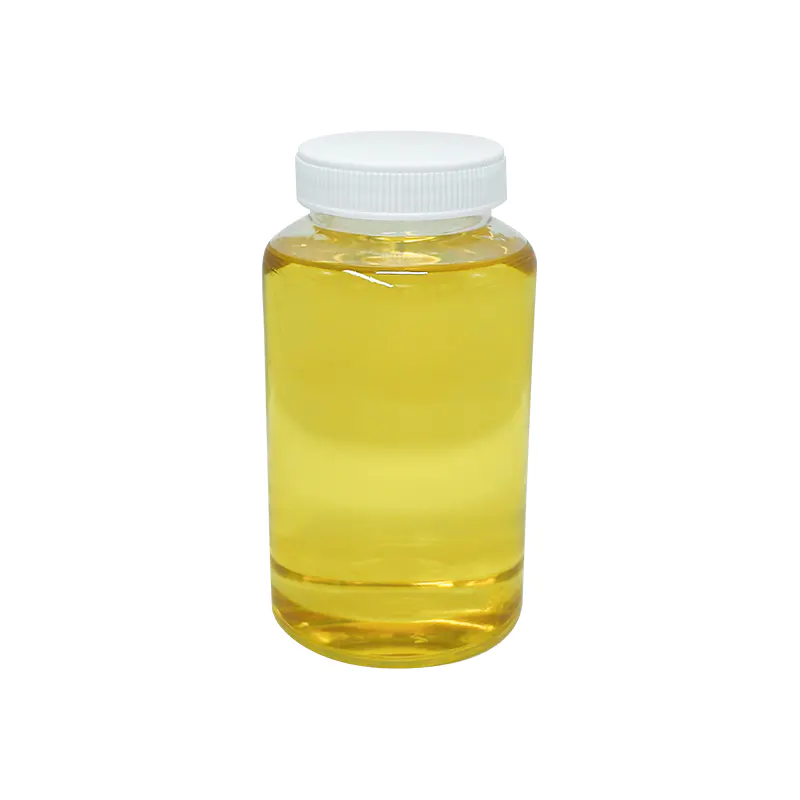
Viscosity Grade Comparison by Operating Environment
The following table compares common viscosity grades and their suitability for different operating conditions:
| SAE Viscosity Grade | Low-Temperature Cranking Viscosity Limit | High-Temperature High-Shear Viscosity (150°C) | Typical Applications |
|---|---|---|---|
| 0W-20 | 6200 cP at -35°C | ≥ 2.6 cP | Modern fuel-efficient engines, hybrid vehicles |
| 5W-20 | 6600 cP at -30°C | ≥ 2.6 cP | North American passenger cars, light trucks |
| 5W-30 | 6600 cP at -30°C | ≥ 2.9 cP | Most common passenger car viscosity, turbocharged engines |
| 10W-30 | 7000 cP at -25°C | ≥ 2.9 cP | Warmer climates, older engines with looser tolerances |
| 10W-40 | 7000 cP at -25°C | ≥ 3.5 cP | High-mileage engines, performance applications |
Base Oil Technology: Conventional, Synthetic, and Blends
The base oil constitutes 70-90% of a gasoline engine oil formulation. Base oil quality directly influences oxidation stability, volatility, and low-temperature performance. Three categories dominate the market.
Conventional Base Oils
Conventional oils use Group I or Group II base stocks derived from crude oil refining. These oils provide adequate protection for older engine designs with conventional service intervals. However, they exhibit higher volatility, which means they evaporate more quickly at high temperatures. They also oxidize faster than synthetic alternatives, requiring more frequent changes.
Synthetic Base Oils
Full synthetic oils use Group III or Group IV base stocks. Group III base oils undergo severe hydrocracking that creates molecular uniformity superior to conventional oils. Group IV polyalphaolefins (PAO) offer the highest performance, with exceptional thermal stability and consistent molecular structure. For full synthetic gasoline engine oil for turbocharged engines, synthetic base oils resist the extreme heat generated by turbochargers, which can exceed 200°C under sustained load. Synthetic oils also flow better at low temperatures, reaching critical engine components faster during cold starts.
Synthetic Blend Oils
Synthetic blends combine conventional and synthetic base oils. These formulations offer improved performance over conventional oils at a price point between conventional and full synthetic products. They provide adequate protection for moderate-duty applications where full synthetic may be cost-prohibitive for fleet operations.
The debate between conventional and synthetic gasoline engine oil comparison centers on the total cost of ownership. While synthetic oil carries a higher upfront cost, it enables extended drain intervals, typically 7,500 to 10,000 miles compared to 3,000 to 5,000 miles for conventional oil. When factoring in labor costs and downtime for commercial fleets, synthetic oil often proves more economical.
Additive Packages and Performance Specifications
Additives comprise 10-30% of gasoline engine oil formulations and determine the oil's performance characteristics. Different applications require different additive chemistries.
Key Additive Functions
- Detergents: Neutralize acidic combustion byproducts and prevent deposit formation on pistons and rings
- Dispersants: Suspend contaminants and prevent sludge accumulation
- Anti-wear additives: Form protective films on metal surfaces under boundary lubrication conditions; ZDDP (zinc dialkyldithiophosphate) remains the primary anti-wear additive
- Antioxidants: Extend oil life by preventing oxidation and viscosity increase
- Friction modifiers: Reduce internal engine friction to improve fuel economy
- Corrosion inhibitors: Protect engine components from rust and corrosion
High Zinc Formulations for Older Engines
For gasoline engine oil with high zinc content for flat tappet engines, the anti-wear additive concentration becomes critical. Older engine designs with flat tappet camshafts rely on sufficient ZDDP levels to prevent camshaft and lifter wear. Modern engine oils have reduced ZDDP levels (typically 600-800 ppm) to protect catalytic converters and meet emissions requirements. Classic and performance engines often require oils with 1,200-1,500 ppm zinc for adequate protection.
API and ILSAC Standards
The American Petroleum Institute (API) and the International Lubricant Specification Advisory Committee (ILSAC) establish performance standards. API SP represents the current category for gasoline engines, introducing requirements for chain wear protection and low-speed pre-ignition (LSPI) prevention. For high mileage gasoline engine oil for older vehicles, API SN or earlier specifications may be appropriate, but buyers should verify compatibility with engine requirements.
Quality Control and Procurement Considerations
B2B buyers must implement rigorous quality verification processes when sourcing gasoline engine oil in bulk. Counterfeit lubricants represent a significant market risk. These products may use incorrect base oils or omit critical additives, leading to premature engine failure.
Verification steps include:
- Requesting Certificate of Analysis (COA) for each batch, confirming viscosity, additive levels, and physical properties
- Verifying supplier ISO 9001 or IATF 16949 quality management certification
- Performing spot testing on received shipments for viscosity and elemental analysis
- Maintaining documentation of API licensing and approvals for specified products
Frequently Asked Questions
Can I mix synthetic and conventional gasoline engine oil?
Mixing synthetic and conventional oils is technically possible but not recommended for optimal performance. The resulting blend will have performance characteristics between the two products. If mixing becomes necessary in an emergency, replace the oil with the correct specification at the earliest opportunity. Consistent use of the same oil type ensures predictable additive performance and simplifies maintenance tracking for fleet operations.
How do I determine the correct drain interval for my application?
Drain intervals depend on engine type, operating conditions, and oil quality. Severe service conditions include frequent short trips, towing, extreme temperatures, and dusty environments. For commercial fleets, used oil analysis provides the most accurate method for establishing optimal drain intervals. Analysis measures viscosity, additive depletion, wear metals, and contamination levels. Typical intervals range from 5,000 miles for conventional oil under severe service to 15,000 miles for premium synthetic under ideal conditions.
What causes oil consumption, and how does oil specification affect it?
Oil consumption results from oil passing through piston rings, valve seals, or being drawn into the intake system through the positive crankcase ventilation (PCV) system. Lower viscosity oils generally exhibit higher consumption rates in worn engines. For engines with measurable consumption, selecting a high mileage gasoline engine oil for older vehicles with seal conditioners and slightly higher viscosity can reduce consumption. However, excessive consumption (exceeding one quart per 1,000 miles) typically indicates mechanical wear requiring repair rather than a lubricant issue.
References
- SAE International. (2024). SAE J300: Engine Oil Viscosity Classification.
- American Petroleum Institute. (2023). API 1509: Engine Oil Licensing and Certification System.
- ASTM International. (2024). ASTM D7320: Standard Test Method for Evaluation of Automotive Engine Oils.
- International Lubricant Specification Advisory Committee. (2023). ILSAC GF-7 Standard.
- Lubrication Engineers Technical Division. (2024). "Additive Chemistry in Modern Engine Oils." Technical Publication LE-102.
- National Renewable Energy Laboratory. (2023). "Fleet Vehicle Lubricant Selection Guidelines." NREL/TP-5400-85721.
HOT NEWS



Contact
 leanon2023@163.com
 + 86 - 4006663580
 Industrial Concentration Zone, Xinjian Town, Yixing City, Wuxi City, Jiangsu Province, China
Copyright © Leanon Petroleum Technology Co., Ltd. All Rights
Reserved
Wholesale Private Label Lubricants Manufacturers
