

 English
  русский
  Español
  عربى
عربى  中文简体
中文简体

 Industry News
Home / News & Share / Industry News / Automotive Industry Lubricants Selection Guide: API, ACEA and OEM Specs for Buyers
Automotive Industry Lubricants Selection Guide: API, ACEA and OEM Specs for Buyers
200+ proven lubricant solutions delivered
Content
- 1 API and ACEA specifications drive automotive industry lubricant selection
- 2 Matching lubricants to gasoline, diesel and natural gas engines
- 3 Transmission fluid and brake fluid: where automotive lubricant specs decide service life
- 4 Coolant chemistry in automotive industry lubricants
- 5 How to evaluate an automotive lubricant supplier for private-label sourcing
- 6 FAQ: automotive industry lubricants
A procurement manager comparing two 5W-30 oils with the same API sticker will often find a measurable difference in high-temperature high-shear performance. The viscosity number tells only part of the story. The specification depth behind the label, API service category, ACEA sequence, and OEM approval, determines whether an automotive lubricant protects an engine or only flows through it. For anyone sourcing automotive industry lubricants in bulk, that distinction becomes the central decision point, especially when private-label branding is part of the plan.
150,000 t/yrProduction capacity
IATF 16949Auto quality system
API / ACEADual spec coverage
OEM / ODMPrivate label support
API and ACEA specifications drive automotive industry lubricant selection
API and ACEA specifications are the minimum acceptable performance contracts for an automotive lubricant. API SP, SN, CK-4 and CI-4 govern oxidation resistance, wear control and emission-system compatibility. ACEA sequences add high-temperature shear stability and fuel-economy requirements that API does not mandate.
ACEA A3/B4 requires a high-temperature high-shear viscosity of at least 2.9 cP at 150 C. API SP sets no such minimum. This is why two oils with the same viscosity grade can behave very differently under sustained highway load.
The table below maps the most common specification families to their real-world applications.
| Specification | Primary market | Key focus | Typical application |
| API SP | North America, Asia | Oxidation control, timing chain wear | Modern gasoline engines |
| ACEA A3/B4 | Europe | High HTHS, robust lube film | Performance gasoline, TDI diesel |
| ACEA C3 | Europe | Low SAPS, DPF compatibility | European diesel, premium gasoline |
| ACEA C5 | Europe | Very low SAPS, fuel economy | Euro 6 direct injection |
| API CK-4 | Global heavy duty | Oxidation, shear, aeration control | Heavy-duty diesel fleets |
Matching lubricants to gasoline, diesel and natural gas engines
Gasoline engines, diesel engines, and natural gas engines produce different combustion byproducts, so each fuel type requires a different oil chemistry. A single universal oil is a compromise, not a solution.
Gasoline engine oils
Focus on oxidation resistance, anti-wear additives, and valve train protection. Look for API SP/SN or ACEA A3/B4. The lower soot load in gasoline engines means detergent chemistry can be tuned for varnish control.
Diesel engine oils
Focus on soot dispersion, TBN reserve and emission compatibility. Heavy-duty fleets need API CK-4 or CI-4. Vehicles with particulate filters need ACEA C3 low-SAPS formulations to keep the filter from blocking.
Natural gas engines sit on a separate track. CNG and LNG combustion keeps the oil cleaner but produces high nitration, so low-temperature flow and viscosity retention matter more than soot handling.
For passenger vehicles, a full synthetic 5W-30 with API SP coverage handles both city stop-and-go driving and sustained highway load. The specification layer determines the recommended service interval.
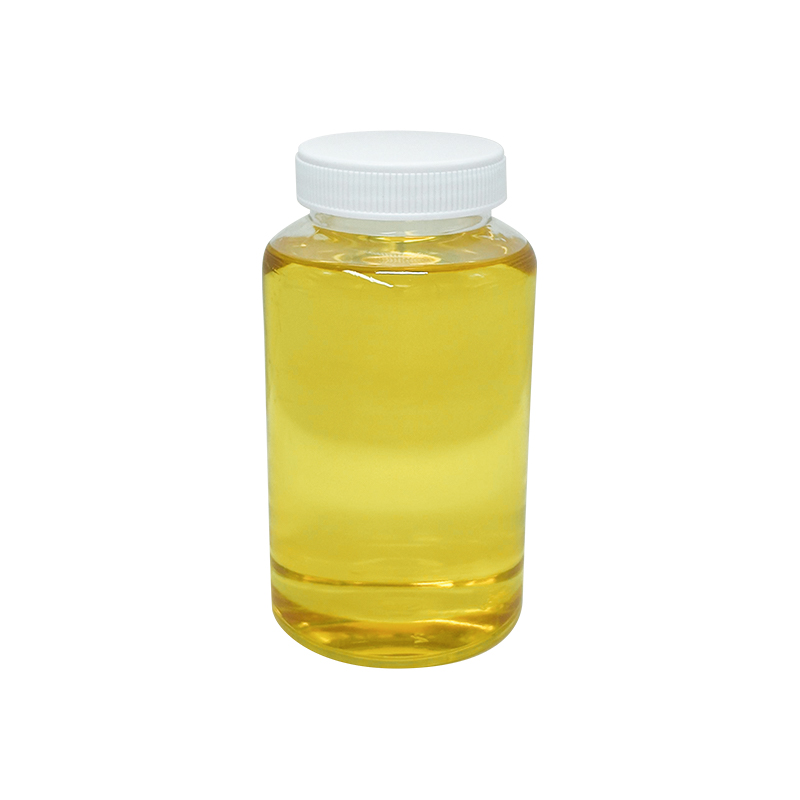 SQ 5W-30 Full Synthetic Engine Oil for Cars and Light Duty VehiclesThis full synthetic 5W-30 oil balances fuel economy, high-temperature protection, and cleanliness for modern gasoline engines. Its broad compatibility covers many automaker requirements, making it a reliable choice for daily driving.View Product →
For modern heavy-duty trucks, the API CK-4 category introduced stricter oxidation and shear stability limits than the previous API CJ-4. Understanding how these categories map to OEM requirements is essential when selecting a diesel engine oil for a fleet.
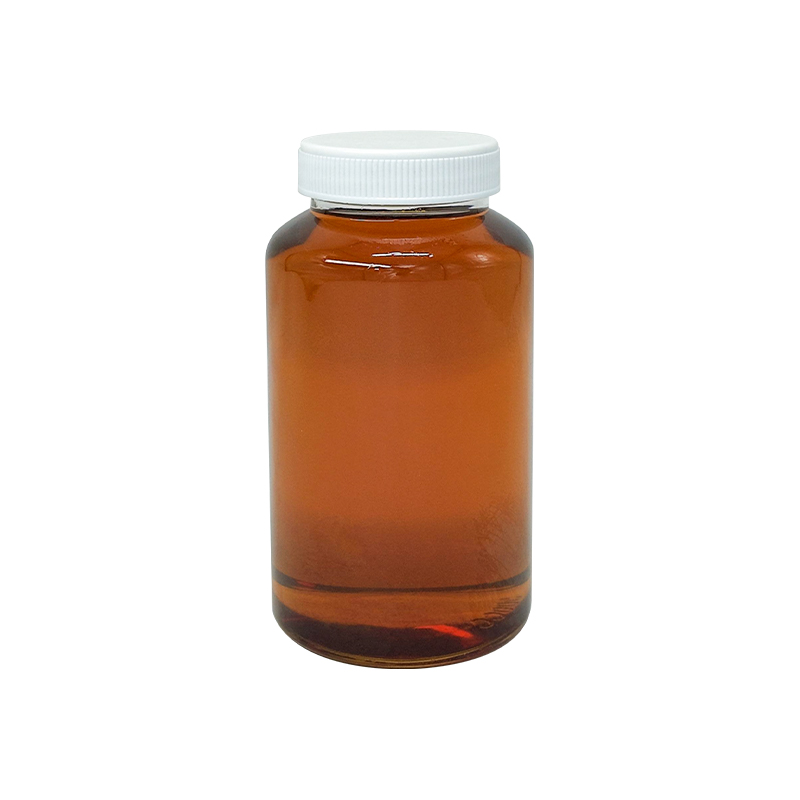 CK-4 5W-30 Premium Synthetic Diesel Engine Oil for High Performance EnginesFormulated for high-performance diesel engines requiring lower viscosity, this oil maximizes fuel economy and turbocharger protection while meeting strict CK-4 standards. Ideal for heavy-duty trucks operating under demanding conditions.View Product →
Transmission fluid and brake fluid: where automotive lubricant specs decide service life
Transmission fluid and brake fluid failures are specification failures, not mechanical failures.
Using the wrong ATF specification can cause shudder, slipping, and premature wear in as little as 20,000 km. GM vehicles with 6-speed transmissions require Dexron VI. European 9-speed units require 9MB equivalents. CVTs need specially formulated fluid with steel-on-steel friction modifiers, often based on polyol esters.
Brake fluid selection follows a similar logic. The wet boiling point, not the dry boiling point, predicts real-world performance. DOT3 delivers about 140 C wet boiling, DOT4 extends this to around 155 C, and DOT5.1 reaches 160 C. For high-performance vehicles or those with anti-lock systems, a higher wet boiling point reduces the risk of vapor lock.
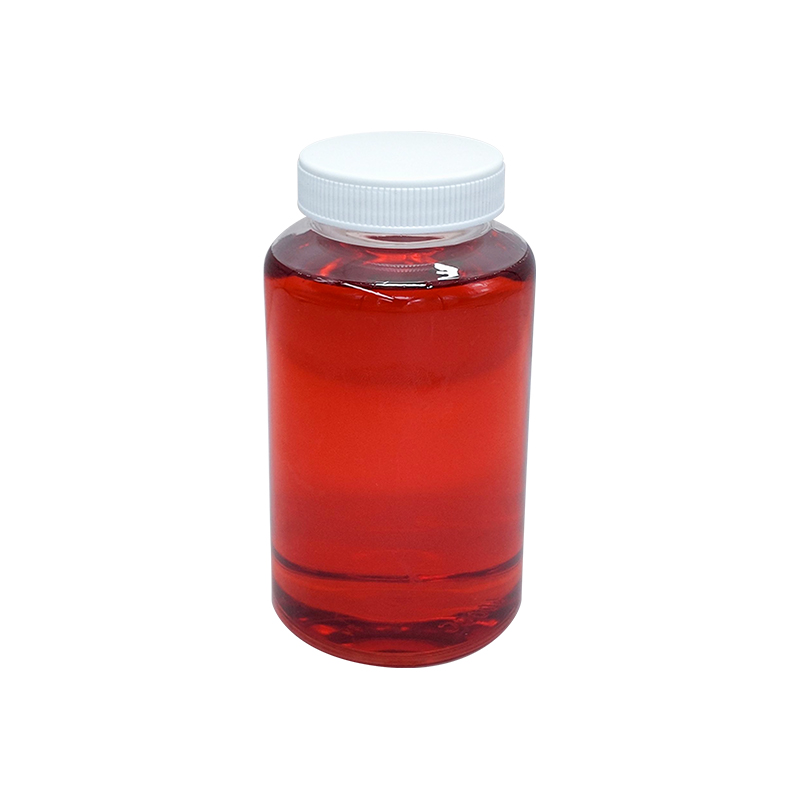 ATF-6L Dexron VI Full Synthetic Automatic Transmission FluidThis fully synthetic fluid meets GM Dexron VI specs, providing precise friction control and thermal stability for smooth shifting. It suits modern 6-speed transmissions, ensuring durability and efficiency in automatic gearboxes.View Product →
Coolant chemistry in automotive industry lubricants
Coolant selection has moved from freeze protection to thermal management, and every vehicle type now has a different requirement.
Fuel-vehicle coolant relies on organic low-silicate formulations to prevent corrosion and scale. These products are graded by temperature: 25 C, 35 C, and 45 C. The temperature grade changes the additive concentration, not just the freezing point.
Electric vehicle coolant is a different product entirely. EV battery coolant conductivity is typically limited below 100 microsiemens per centimeter to prevent short circuits within the battery pack. This requirement does not exist for conventional fuel vehicle coolant.
How to evaluate an automotive lubricant supplier for private-label sourcing
Private-label lubricant production depends on a functioning quality system, an in-house laboratory, and a formulation library that spans multiple standards.
Batch-to-batch reproducibility is the real test of a lubricant supplier, not annual capacity.
Before signing a supply agreement, evaluate the supplier on four criteria.
- Verify that the factory holds IATF 16949 and ISO 9001 certificates through the certification body's website.
- Audit the laboratory. Ask which tests are run in-house at the CNAS laboratory facility.
- Confirm production capacity and batch consistency, not just annual tonnage. A 150,000-tonne plant is meaningful only when every batch is documented.
- Review the OEM/ODM package: formulation flexibility, container design, and regulatory documentation for each target market.
FAQ: automotive industry lubricants
What is the difference between API and ACEA specifications?
API specifications cover North American and Asian market needs, focusing on oxidation resistance and wear control. ACEA specifications add European requirements such as high-temperature shear stability, fuel economy, and low-SAPS chemistry for emissions compliance.
Can one engine oil serve both gasoline and diesel engines?
Some universal oils exist, but optimal protection differs. Gasoline engines need strong oxidation control. Diesel engines need soot dispersion and TBN reserve. Match the oil to the fuel type for longer service life.
Why does an electric vehicle need a different coolant?
EV thermal management systems operate at high voltage. Low-conductivity coolant prevents short circuits in battery packs while still protecting the aluminum and copper components of the cooling loop.
How do I ensure private-label lubricants meet brand quality?
Ask the supplier to provide batch test reports for every production run. Confirm that formulations meet the target API and ACEA categories. Verify that the factory holds IATF 16949 and operates a laboratory for in-house testing.
HOT NEWS



Contact
 leanon2023@163.com
 + 86 - 4006663580
 Industrial Concentration Zone, Xinjian Town, Yixing City, Wuxi City, Jiangsu Province, China
Copyright © Leanon Petroleum Technology Co., Ltd. All Rights
Reserved
Wholesale Private Label Lubricants Manufacturers
