

 English
  русский
  Español
  عربى
عربى  中文简体
中文简体

 Industry News
Home / News & Share / Industry News / Automotive Lubricant Oil: Complete Guide for Engine Performance
Automotive Lubricant Oil: Complete Guide for Engine Performance
200+ proven lubricant solutions delivered
Content
Performance Lubricants
Automotive Lubricant Oil
Automotive lubricant oil is the lifeblood of every engine — reducing friction, dissipating heat, and protecting critical components from wear. From passenger cars to heavy-duty trucks, the right lubricant ensures optimal performance, fuel efficiency, and extended engine life.
API SP / SN
Performance standards
5W-30 / 10W-40
Viscosity grades
Full Synthetic
Premium formulation
01
Engine Protection
Reduces wear on moving parts and extends engine life
02
Heat Dissipation
Transfers heat away from critical components
03
Fuel Efficiency
Reduces friction for improved fuel economy
04
Corrosion Protection
Prevents rust and corrosion on metal surfaces
01
What Is Automotive Lubricant Oil
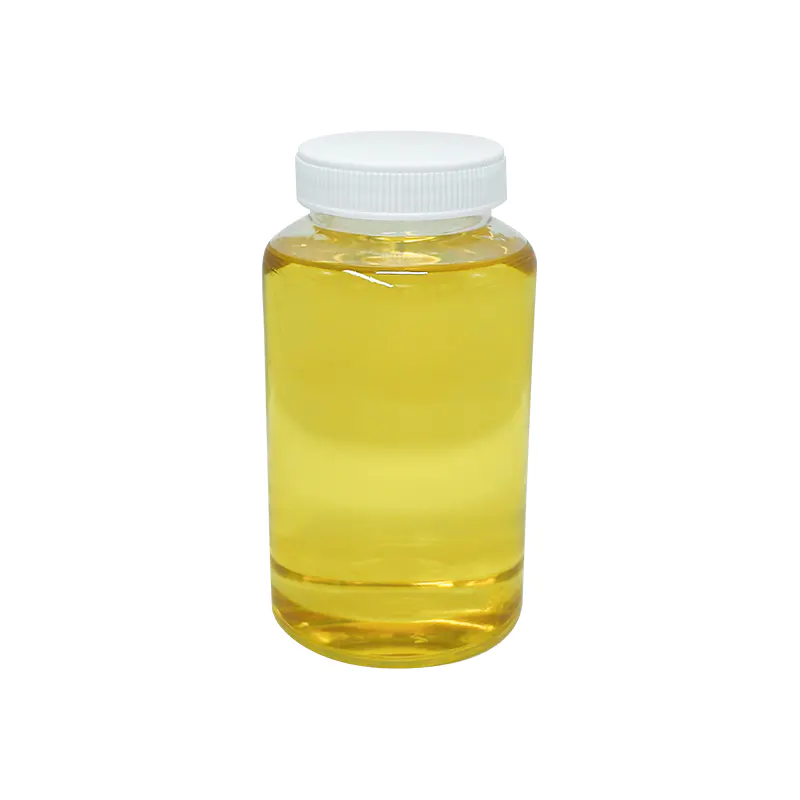
Automotive lubricant oil is a specially formulated fluid designed to reduce friction, wear, and heat in internal combustion engines. It is a complex blend of base oils and additives that work together to protect engine components, maintain cleanliness, and ensure reliable operation under a wide range of conditions.
Modern automotive lubricants are engineered to meet the demands of advanced engine technologies, including turbocharging, direct injection, and variable valve timing. The formulation of these oils has evolved significantly, with synthetic and semi-synthetic oils offering superior performance compared to conventional mineral oils.
The primary functions of automotive lubricant oil include: reducing friction between moving parts, dissipating heat generated by combustion and friction, preventing corrosion and rust on metal surfaces, maintaining engine cleanliness by suspending contaminants, and providing a seal between piston rings and cylinder walls to prevent blow-by gases.
02
Key Functions of Lubricant Oil
Friction Reduction
The primary role of lubricant oil is to create a thin film between moving parts, preventing metal-to-metal contact. This reduces wear, heat generation, and energy loss, improving engine efficiency and longevity.
Heat Transfer
Lubricant oil absorbs heat from engine components and transfers it to the cooling system. This helps maintain optimal operating temperatures and prevents overheating that can cause component failure.
Cleanliness and Contamination Control
Detergent and dispersant additives suspend contaminants, soot, and combustion byproducts in the oil, preventing sludge formation and keeping engine components clean.
Corrosion Protection
Anti-corrosion additives protect metal surfaces from rust and corrosion caused by moisture, acids, and other contaminants formed during combustion.
03
Types of Automotive Lubricant Oil
Automotive lubricant oils are available in several formulations, each designed to meet specific performance requirements and operating conditions. Understanding the differences between these types is essential for selecting the right oil for your vehicle.
Conventional Mineral Oil
Derived from crude oil refining, mineral oils are the most basic type of lubricant. They offer adequate performance for older vehicles and light-duty applications but have limited temperature range and shorter service intervals.
Semi-Synthetic Oil
A blend of mineral and synthetic base oils, semi-synthetic oils offer improved performance over mineral oils at a moderate price point. They provide better temperature stability, longer service life, and enhanced protection.
Full Synthetic Oil
Engineered from chemically synthesized base oils, full synthetic oils offer superior performance in all areas. They provide excellent temperature stability, reduced friction, longer service intervals, and better protection for modern engines.
High-Mileage Oil
Formulated for vehicles with over 75,000 miles, high-mileage oils contain seal conditioners and additives designed to reduce oil consumption and leaks in older engines.
The choice between these types depends on factors such as vehicle age, engine technology, driving conditions, and manufacturer recommendations. Full synthetic oils are increasingly recommended for modern vehicles, particularly those with turbocharged or high-performance engines.
04
Viscosity Explained
Viscosity is the most important property of a lubricant, determining how well it flows at different temperatures. The SAE viscosity grade system provides a standard for classifying oils based on their flow characteristics.
Multi-grade oils, such as 5W-30, are designed to perform across a wide temperature range. The first number (5W) indicates the oil's viscosity at cold temperatures, with lower numbers providing better cold-start performance. The second number (30) indicates the oil's viscosity at operating temperature, with higher numbers providing better protection at high temperatures.
5W-20
Lightweight oil for fuel economy. Recommended for many modern gasoline engines.
5W-30
Most common viscosity grade. Suitable for a wide range of gasoline and diesel engines.
10W-40
Popular for older engines and warmer climates. Provides good high-temperature protection.
15W-40
Common for heavy-duty diesel engines. Offers excellent high-temperature protection.
Choosing the correct viscosity grade is essential for optimal engine protection and performance. Always follow the manufacturer's recommendations specified in the owner's manual.
05
Key Specifications and Standards
Automotive lubricant oils are classified according to international standards that define their performance characteristics. These standards ensure that oils meet the requirements of modern engines and provide reliable protection.
API Service Categories
The American Petroleum Institute classification system includes categories such as SP (current gasoline engine standard) and CK-4 (current diesel engine standard). Higher letters indicate higher performance levels.
ILSAC Standards
The International Lubricant Standardization and Approval Committee sets standards for gasoline engine oils, focusing on fuel economy, emission system protection, and engine cleanliness.
ACEA Standards
The European Automobile Manufacturers Association standards are widely used in Europe and cover both gasoline and diesel engines, with categories such as A3/B4 and C3 for different applications.
OEM Approvals
Many vehicle manufacturers have their own specifications for lubricant oils. Using oils that meet these specifications ensures optimal performance and maintains warranty coverage.
Industry leaders such as Leanon Petroleum Technology Co., Ltd. offer a comprehensive range of automotive lubricant oils that meet or exceed these international standards, ensuring reliable performance for all types of vehicles.
06
Synthetic vs Conventional: A Comparison
Full Synthetic Oil
- Superior temperature stability
- Longer service intervals
- Better fuel economy
- Excellent cold-start performance
- Higher cost
- Recommended for modern engines
Conventional Oil
- Limited temperature range
- Shorter service intervals
- Lower fuel economy
- Reduced cold-start performance
- Lower cost
- Suitable for older vehicles
07
Frequently Asked Questions
What is automotive lubricant oil used for?
Automotive lubricant oil reduces friction, dissipates heat, prevents wear, and protects engine components from corrosion and contamination.
What is the difference between synthetic and conventional oil?
Synthetic oil is chemically engineered for superior performance, offering better temperature stability, longer service life, and improved protection compared to conventional mineral oil.
How often should I change my engine oil?
Oil change intervals vary by vehicle and oil type. Typical intervals range from 5,000 to 10,000 miles for conventional oil and 10,000 to 15,000 miles for synthetic oil.
What viscosity grade should I use?
Always follow the manufacturer's recommendations in your owner's manual. Common grades include 5W-30, 10W-40, and 5W-20.
What does API SP mean?
API SP is the current standard for gasoline engine oils, providing improved protection against low-speed pre-ignition and timing chain wear.
Can I switch from conventional to synthetic oil?
Yes, you can switch from conventional to synthetic oil. Synthetic oil is compatible with conventional oil and offers improved performance.
HOT NEWS



Contact
 leanon2023@163.com
 + 86 - 4006663580
 Industrial Concentration Zone, Xinjian Town, Yixing City, Wuxi City, Jiangsu Province, China
Copyright © Leanon Petroleum Technology Co., Ltd. All Rights
Reserved
Wholesale Private Label Lubricants Manufacturers
