Industry News
Content
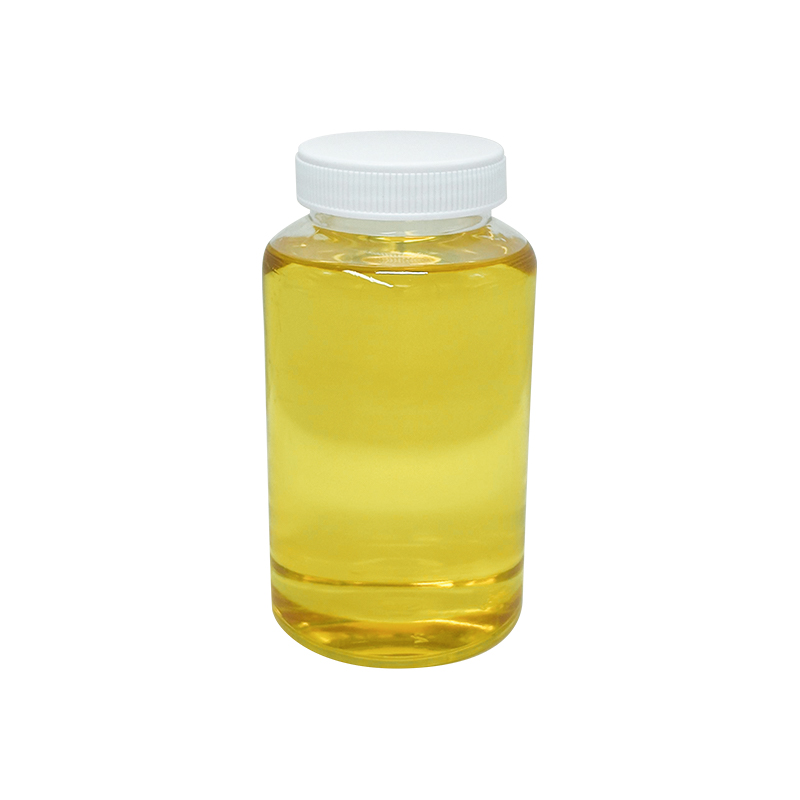
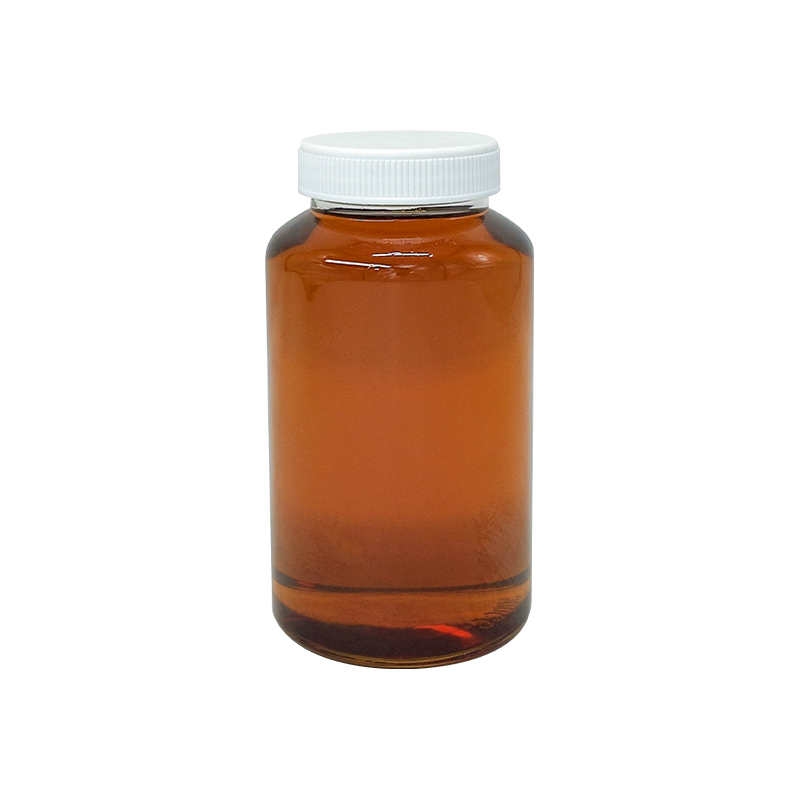
Diesel engine oil is a specially formulated lubricant designed for compression-ignition diesel engines found in commercial trucks, construction equipment, agricultural machinery, marine vessels, and industrial power generation. It provides essential protection against wear, corrosion, soot accumulation, and thermal degradation while maintaining engine cleanliness and optimal performance under severe operating conditions.
With advanced additive technology and precise formulation, diesel engine oils are engineered to meet the demanding requirements of modern low-emission diesel engines while extending drain intervals and reducing operating costs.
A diesel engine oil is a high-performance lubricant formulated specifically for the unique operating conditions of diesel engines. Unlike gasoline engine oils, diesel engine oils contain higher levels of detergents and dispersants to manage soot, acids, and combustion byproducts generated during the diesel combustion process.
These oils are engineered to provide critical functions including friction reduction, wear protection, heat dissipation, corrosion prevention, and contamination control. They are available in various viscosity grades (such as 15W-40, 10W-30, and 5W-40) and performance levels to match specific engine technologies and operating environments.
A diesel engine oil performs multiple critical functions that work together to protect the engine and ensure reliable operation:
The oil forms a protective film between moving parts, reducing metal-to-metal contact and minimizing wear on critical engine components such as bearings, pistons, and cylinder liners.
Dispersant additives suspend soot particles and combustion byproducts in the oil, preventing sludge formation and keeping engine components clean over extended drain intervals.
Alkaline additives (measured as TBN) neutralize acidic byproducts of combustion, protecting engine components from corrosive damage that can lead to premature failure.
The oil absorbs heat from engine components and transfers it to the cooling system, helping maintain optimal operating temperatures for engine efficiency and longevity.
Diesel engine oils offer significant advantages for fleet operators and equipment owners:
Advanced anti-wear additives protect critical components including camshafts, valve train, and piston rings, extending engine life and reducing rebuild frequency.
Rust and corrosion inhibitors protect internal components from moisture and acidic attack, particularly important in stop-and-go operation and humid environments.
High-performance formulations enable extended oil change intervals (15,000+ km), reducing maintenance costs and downtime for fleet operations.
Low-friction formulations help improve fuel efficiency by reducing parasitic losses in the engine, delivering measurable cost savings over time.
Low ash formulations protect diesel particulate filters (DPF) and selective catalytic reduction (SCR) systems, ensuring emissions compliance and system longevity.
Suitable for a wide range of diesel engines including turbocharged, supercharged, and modern low-emission designs across commercial, industrial, and marine applications.
Diesel engine oils are essential across a wide range of industries and applications:
Long-haul trucking, regional delivery fleets, and bus operations requiring extended drain intervals and reliable performance.
Heavy equipment including excavators, bulldozers, loaders, and haul trucks operating in dusty, high-load conditions.
Tractors, combines, and farm machinery that require robust protection under varying loads and environmental conditions.
Commercial vessels, fishing boats, and workboats powered by medium and high-speed diesel engines.
Diesel generators, pumps, and compressors operating as prime power or backup power systems.
Forklifts, aerial work platforms, and other material handling equipment using diesel engines.
Diesel engine oils contain higher levels of detergents and dispersants to manage soot and combustion byproducts. They also have higher TBN (Total Base Number) to neutralize acids. Gasoline engine oils do not require these specific additives and are formulated differently.
These are API service categories. CK-4 is the latest standard for diesel engines introduced in 2016, designed for high-speed four-stroke diesel engines meeting 2017 emissions standards. CI-4 was introduced in 2002 for high-speed four-stroke engines meeting 2004 emissions standards.
While diesel oil may not harm a gasoline engine, it is not optimized for gasoline applications. It may contain higher levels of additives that could affect catalytic converters and other emissions control systems.
Oil change intervals depend on the engine, operating conditions, and oil quality. Typical intervals range from 15,000 to 40,000 km for modern engines with high-quality synthetic oils, but always follow the manufacturer's recommendations.
Viscosity selection depends on operating temperature and engine design. Common grades include 15W-40, 10W-30, and 5W-40. Consult your engine manufacturer's recommendations and consider ambient temperature conditions.
TBN (Total Base Number) measures the oil's ability to neutralize acids formed during combustion. Higher TBN oils provide better protection against acid corrosion, particularly important for diesel engines with extended drain intervals.
Looking for premium diesel engine oil for your fleet or equipment?
Our diesel engine oils are formulated with advanced additive technology to meet API CK-4, CI-4, and ACEA specifications. Available in multiple viscosity grades and packaging options, we deliver quality solutions for commercial, industrial, and marine applications.
Send us your requirements, we will reply the requirements within 24 hours

Contact
leanon2023@163.com
+ 86 - 4006663580
Industrial Concentration Zone, Xinjian Town, Yixing City, Wuxi City, Jiangsu Province, China
English
русский
Español
عربى