

 English
  русский
  Español
  عربى
عربى  中文简体
中文简体
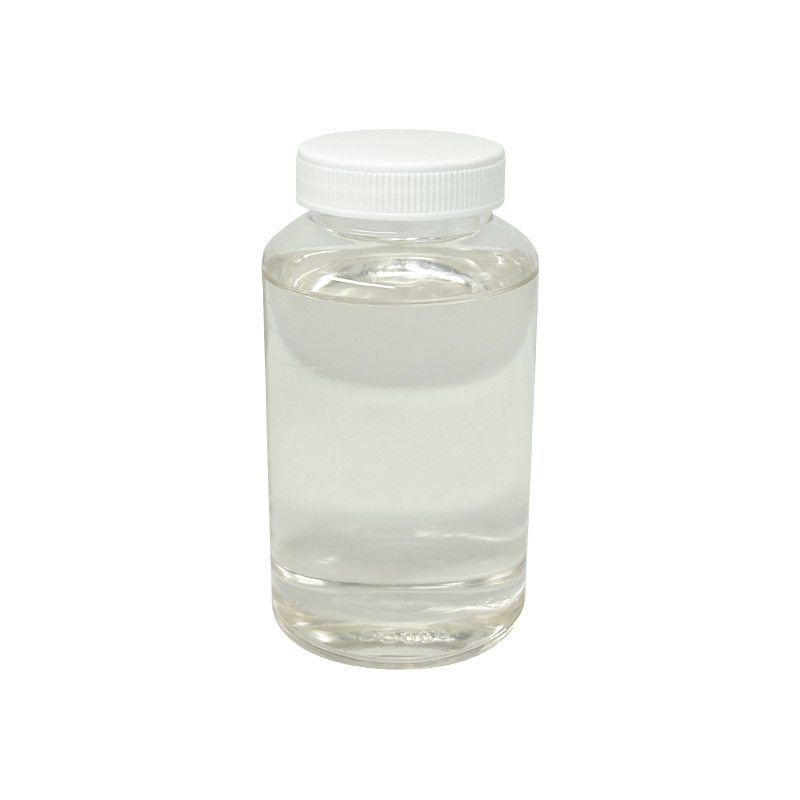
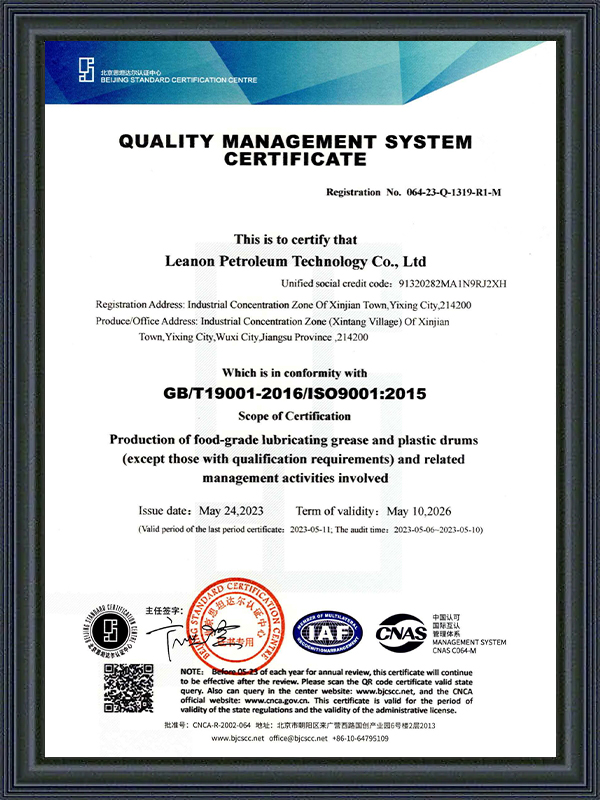
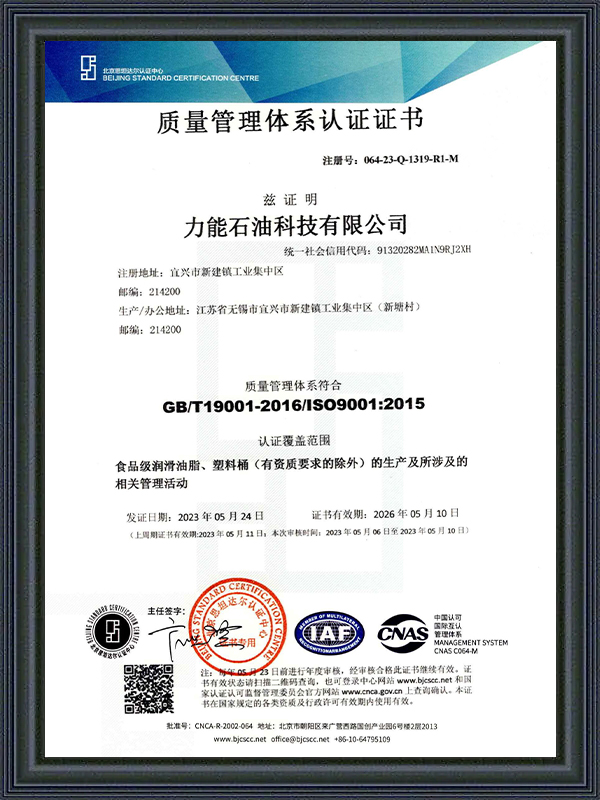
As a full-industry-chain service provider in the lubricants sector, Leanon Petroleum Technology Co., Ltd. China DAB: Displacement Air Compressor Manufacturer and Wholesale DAB: Displacement Air Compressor Company, we have established a comprehensive industrial ecosystem spanning international base oil trade, innovative lubricant formulation R&D, intelligent automated blending production, fully automated filling & packaging, professional packaging container design & manufacturing, to marketing promotion. As a full-industry-chain service provider in the lubricants sector, Leanon Petroleum Technology Co., Ltd. has established a comprehensive industrial ecosystem spanning international base oil trade, innovative lubricant formulation R&D, intelligent automated blending production, fully automated filling & packaging, professional packaging container design & manufacturing, to marketing promotion.

 Wholesale DAB: Displacement Air Compressor
DAB: Displacement Air Compressor Manufacturer

.jpg)
2.jpg)
.jpg)
2.jpg)

How does DAB: Displacement Air Compressor Oil differ from regular engine oil?
Understanding DAB: Displacement Air Compressor Oil
DAB: Displacement Air Compressor Oil is a specialized lubricant designed specifically for the operational demands of displacement-type air compressors. Unlike regular engine oil, which is formulated for the combustion processes and high-temperature cycles of engines, dab: displacement air compressor oil prioritizes thermal stability, anti-foaming characteristics, and resistance to oxidation under continuous compression conditions. This oil ensures smooth operation of compressors, reduces wear on moving components, and maintains efficiency over long operational periods.
The primary function of dab: displacement air compressor oil is to provide a thin, protective film between high-pressure moving parts, minimizing metal-to-metal contact and heat generation. Its chemical composition is tailored to withstand elevated temperatures caused by compression, whereas conventional engine oils are optimized for fuel combustion by-products and periodic engine stress cycles.
Key Differences between DAB Oil and Engine Oil
Viscosity and Flow Properties
The viscosity of dab: displacement air compressor oil is formulated to maintain consistent lubrication at the operating temperatures typical of air compressors. It is generally more stable at high temperatures than engine oils, which are designed to handle a broader range of temperatures, including cold starts. This stability ensures that the oil maintains its protective layer under prolonged compression without excessive thinning or breakdown.
| Property | DAB: Displacement Air Compressor Oil | Regular Engine Oil |
|---|---|---|
| Optimal Temperature Range | 50–120°C typical for continuous compressor operation | -20–120°C suitable for engine start-stop cycles |
| Viscosity Stability | High, resists thinning under heat | Moderate, optimized for flow in engines |
| Anti-Foaming | Strong, prevents bubbles during compression | Standard, less critical |
| Oxidation Resistance | Very high, long-term thermal stability | Moderate, engine conditions vary |
Additive Packages
DAB: displacement air compressor oil incorporates additives specifically to prevent varnish and sludge formation, resist corrosion of metallic components, and reduce foaming caused by entrained air in the compressor. In contrast, engine oils focus more on detergents to neutralize combustion acids, anti-wear additives for camshafts and crankshafts, and friction modifiers for fuel efficiency. This distinction is critical because the operational environment of compressors is dominated by constant pressure and heat, rather than combustion by-products.
Lubrication Performance
While engine oils are designed for intermittent high-load conditions, dab: displacement air compressor oil is engineered for continuous, steady lubrication under compression and sliding motion. Its film strength is optimized for pistons, cylinder walls, and rotary vanes, providing long-lasting protection that reduces maintenance frequency and downtime.
Environmental and Safety Considerations
Some modern dab: displacement air compressor oils incorporate environmentally considerate formulations with reduced toxicity and improved biodegradability. While engine oils may also offer eco-friendly versions, the focus for compressor oils is on minimizing degradation by-products that could impair compressor efficiency or damage the system over time.
Technical Considerations for Industrial Users
Industrial buyers searching for high-quality displacement air compressor oil often prioritize the following aspects:
- ISO VG Grade: Matching viscosity grade to compressor manufacturer recommendations ensures optimal performance.
- Thermal Stability: Critical for operations in continuous and high-load industrial environments.
- Oxidation Resistance: Determines service intervals and reduces the risk of sludge formation.
- Foam Control: Prevents cavitation and maintains smooth lubrication in the compression cycle.
Understanding these specifications allows users in manufacturing, energy, and construction sectors to select the most suitable dab: displacement air compressor oil, ensuring operational efficiency and reliability.
Advantages of Using Specialized DAB Oil
Using dab: displacement air compressor oil instead of standard engine oil in compressors provides several tangible benefits:
- Enhanced Equipment Longevity: Reduced wear and corrosion extend the life of pistons, valves, and bearings.
- Operational Efficiency: Stable viscosity and anti-foaming properties maintain consistent airflow and pressure.
- Lower Maintenance Costs: Longer service intervals reduce downtime and operational expenses.
- Thermal Protection: High-temperature resistance minimizes oil breakdown and keeps compressors running smoothly under continuous load.
These benefits highlight why industrial operators should avoid substituting engine oil for dedicated compressor lubricants.
Integration with Industrial Lubricant Supply Chains
As an integrated petrochemical enterprise, Leanon Petroleum Technology Co., Ltd. provides end-to-end solutions for dab: displacement air compressor oil, from raw material research and formulation to production and market placement. By leveraging advanced production technologies and adhering to ISO and international standards, the company ensures high-performance lubricants that meet stringent industrial requirements. Strategic partnerships with international oil giants further strengthen quality assurance and market reliability.
Selecting the Right DAB: Displacement Air Compressor Oil
When selecting a suitable dab: displacement air compressor oil, consider:
- Compressor type and manufacturer guidelines.
- Operating temperature and load conditions.
- Desired maintenance intervals and service life.
- Additive package and chemical stability.
- Environmental compliance and safety standards.
Careful consideration of these factors ensures optimal performance, equipment protection, and compliance with industrial standards.
Summary
In conclusion, dab: displacement air compressor oil differs from regular engine oil in composition, performance characteristics, additive packages, and application requirements. It is specifically designed to withstand the unique operational challenges of displacement air compressors, providing reliable lubrication, reducing wear, and ensuring system efficiency. Industrial buyers should prioritize high-quality, certified products, taking into account viscosity, thermal stability, oxidation resistance, and foam control. Leveraging solutions from a full-service provider like Leanon Petroleum ensures both technical performance and market competitiveness.
FAQs
Q1: Can I use engine oil in my displacement air compressor?
No, using engine oil may lead to premature wear, reduced efficiency, and potential compressor damage. DAB: displacement air compressor oil is specifically formulated for continuous compression cycles.
Q2: How often should DAB oil be replaced in industrial compressors?
Replacement intervals depend on operating conditions, oil grade, and manufacturer recommendations, typically ranging from 1,000 to 4,000 operational hours.
Q3: What are the signs that DAB oil needs changing?
Discoloration, increased foam, unusual noise, and reduced compressor efficiency indicate that the oil may be degraded.
Q4: Are there environmentally friendly DAB: displacement air compressor oils?
Yes, modern formulations focus on reduced toxicity, improved biodegradability, and compliance with environmental standards.
Q5: Does the viscosity grade of DAB oil matter?
Absolutely. Correct ISO VG grade ensures proper lubrication, prevents overheating, and extends compressor lifespan.



Contact
 leanon2023@163.com
 + 86 - 4006663580
 Industrial Concentration Zone, Xinjian Town, Yixing City, Wuxi City, Jiangsu Province, China
