

 English
  русский
  Español
  عربى
عربى  中文简体
中文简体
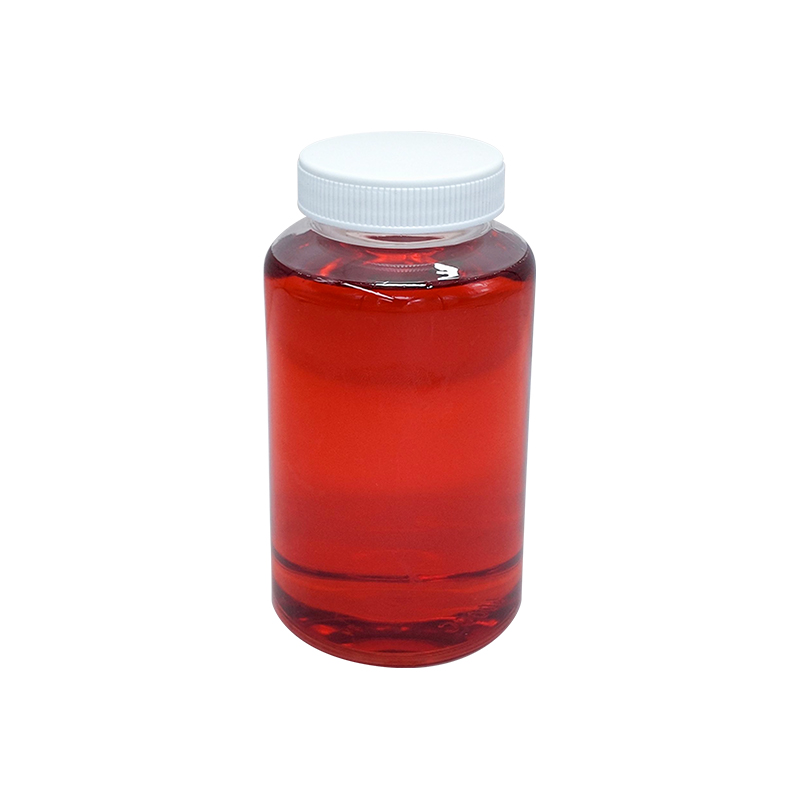
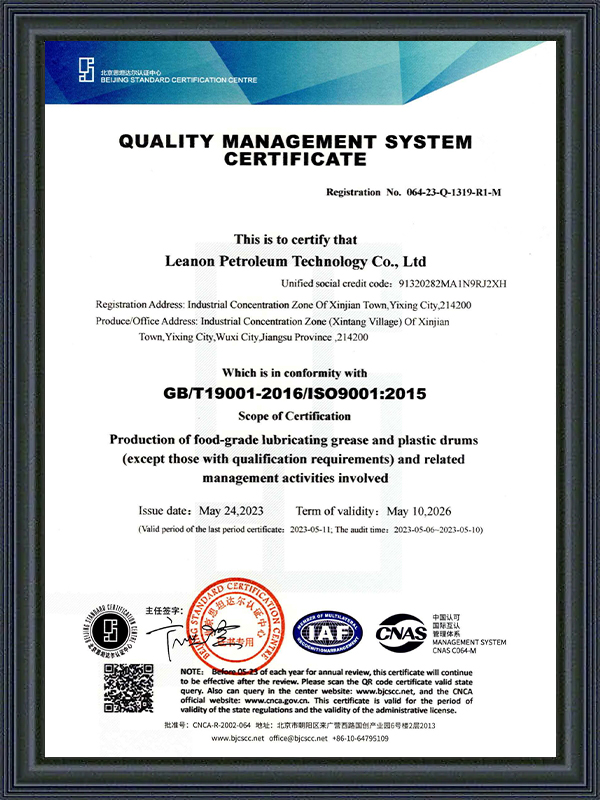
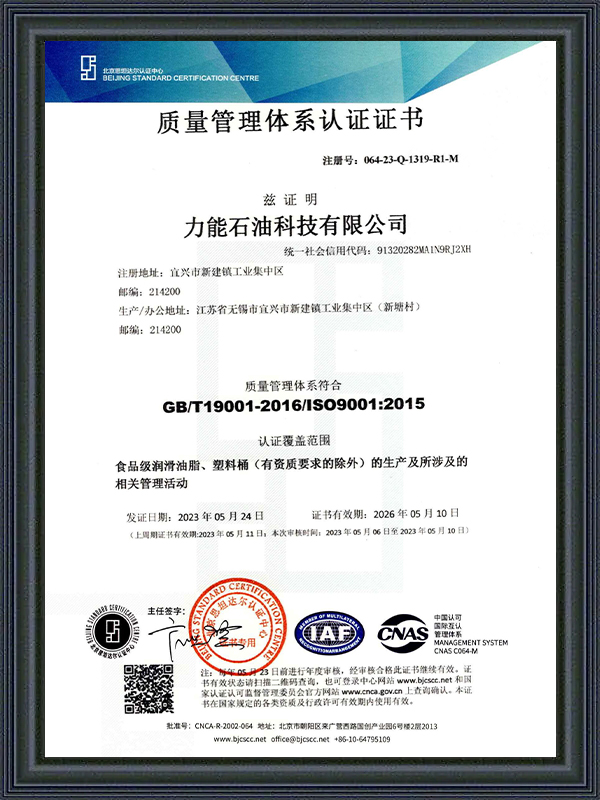
As a full-industry-chain service provider in the lubricants sector, Leanon Petroleum Technology Co., Ltd. China Automatic Transmission Fluid Manufacturer and Wholesale Automatic Transmission Fluid Company, we have established a comprehensive industrial ecosystem spanning international base oil trade, innovative lubricant formulation R&D, intelligent automated blending production, fully automated filling & packaging, professional packaging container design & manufacturing, to marketing promotion. As a full-industry-chain service provider in the lubricants sector, Leanon Petroleum Technology Co., Ltd. has established a comprehensive industrial ecosystem spanning international base oil trade, innovative lubricant formulation R&D, intelligent automated blending production, fully automated filling & packaging, professional packaging container design & manufacturing, to marketing promotion.

 Wholesale Automatic Transmission Fluid

.jpg)
2.jpg)
.jpg)
2.jpg)

Comprehensive Analysis of Automatic Transmission Fluid (ATF): The Guardian of Your Vehicle's "Lifeblood"
Automatic Transmission Fluid, commonly known as ATF, is an indispensable "lifeblood" for automatic transmission systems. It is far more than just a lubricant; it is a critical working medium responsible for transmitting power, ensuring smooth shifts, cooling the system, and keeping it clean. Selecting and using the correct Automatic Transmission Fluid is paramount for guaranteeing the performance and extending the service life of your automatic transmission.
Core Elements of Automatic Transmission Fluid (ATF) Explained
The table below provides a detailed breakdown of the key aspects of ATF, helping you systematically understand its importance.
| Aspect / Characteristic | Description / Explanation | Importance / Role |
| Core Definition | A multi-functional liquid specifically designed for automatic transmissions, combining lubrication, hydraulic power transmission, cooling, and cleaning functions. | It is the foundation for the proper operation of an automatic transmission. Its performance directly determines the transmission's responsiveness, smoothness, and durability. |
| Primary Functions | 1. Power Transmission: Acts as a hydraulic medium to transmit torque and enable gear changes. 2. Lubrication & Cooling: Lubricates moving parts like gears and bearings and carries away heat. 3. Cleaning & Anti-wear: Keeps components clean and prevents wear and corrosion. 4. Friction Control: Provides a precise friction coefficient to ensure smooth clutch engagement. |
Each function is indispensable. The absence of any one can lead to harsh shifting, noise, overheating, or even severe transmission damage. |
| Key Performance Indicators | 1. Viscosity: Affects the strength and flow of the oil film. 2. Friction Coefficient: Determines the smoothness and response speed of gear shifts. 3. Thermal Stability & Oxidation Resistance: Prevents the oil from degrading and forming sludge at high temperatures. 4. Anti-foaming Properties: Prevents foam formation, which can interrupt power transmission. |
These indicators are the core standards for measuring ATF quality. High-quality ATF performs better in all these areas. |
| Main Types | 1. Universal/Multi-vehicle: Like Dexron/Mercon series, suitable for various vehicle models. 2. Specialized: Such as ATF+4, CVTF, DCTF, designed for specific transmission technologies. 3. Fully Synthetic: Offers more stable performance, longer life, and better protection. |
Using the wrong type is critical! Different transmissions have vastly different requirements for friction coefficient and viscosity. Always follow the vehicle manufacturer's recommendation. |
| Replacement Interval | Typically between 40,000 and 100,000 kilometers, depending on the vehicle model, driving habits, and ATF type. | Regular replacement maintains internal cleanliness, restores optimal performance, and avoids costly repairs caused by aged fluid. |
| Selection Criteria | Primary Principle: Consult the Vehicle User Manual and follow the manufacturer's recommended specification. Secondly, consider driving conditions (e.g., traffic congestion, high temperatures) and vehicle age. | This is the safest and most correct selection method, effectively avoiding the risks associated with using the wrong fluid. |
In-Depth Content Interpretation
1. The Multifaceted Functions of ATF: More Than Just Lubrication
Many people mistakenly believe that ATF, like engine oil, is primarily for lubrication. In reality, its functions are far more complex:
- Hydraulic Power Transmission Medium: In the torque converter, ATF is the "fluid coupling" that transfers engine power to the transmission. In the valve body, it acts as hydraulic fluid to drive various clutches and brakes, enabling gear shifts.
- Precise Friction Modulation: ATF formulations contain friction modifiers. They ensure that wet clutch packs have enough friction to transmit power without being overly "aggressive," which would cause harsh shifts. This is key to shift smoothness.
- Efficient Coolant: Automatic transmissions generate significant heat, especially in stop-and-go city traffic. ATF circulates, carrying this heat to an external cooler, preventing the transmission from overheating.
2. How to Choose the Right ATF? — Follow the "OEM Recommendation"
This is the most critical aspect of ATF. The market is flooded with various types, and while they may all be red, their internal formulations differ drastically.
- Consult the Manual: Your vehicle's user manual or service manual will clearly specify the required ATF specification, such as "Dexron VI," "ATF+4," or a specific part number.
- Beware of "Universal" Traps: While "universal" ATFs exist, claiming compatibility with many models, they often involve compromises in performance. For modern, sophisticated transmissions (especially CVTs and DCTs), specialized fluid is mandatory.
- Brand and Quality: Choosing a reputable brand like LEANON ensures their products undergo rigorous testing to meet or exceed OEM specifications, providing superior protection.
3. The Importance of Regular ATF Replacement
Under high temperature and pressure, ATF gradually oxidizes and degrades, losing its original properties.
- Signs of Degradation: The fluid darkens, turns black, smells burnt, or is accompanied by shifting hesitation, delays, or noises.
- Consequences of Not Changing: Sludge and contaminants can clog the valve body and oil passages, leading to erratic shifting. Poor lubrication accelerates mechanical wear, potentially causing the transmission to lock up and resulting in exorbitant repair costs.
FAQ
Can I use a universal automatic transmission fluid in my car?
While universal ATFs are marketed for convenience, they are not always the best choice. Modern transmissions, especially Continuously Variable Transmissions (CVTs) and Dual-Clutch Transmissions (DCTs), have highly specific requirements for friction coefficient and viscosity. Using a universal fluid that doesn't meet the exact OEM specification can lead to poor shift quality, increased wear, and even catastrophic failure. It is always safest to use the fluid type specified in your vehicle's owner's manual.
What are the symptoms of low or bad automatic transmission fluid?
Recognizing the symptoms of low or degraded ATF is crucial for preventing major damage. Common signs include:
- Delayed or Harsh Shifting: The vehicle hesitates before engaging a gear or shifts with a noticeable jolt.
- Slipping Gears: The engine revs up without a corresponding increase in vehicle speed, or the transmission unexpectedly pops out of gear.
- Whining or Humming Noises: Unusual sounds coming from the transmission area, which may indicate low fluid levels or worn internal parts due to poor lubrication.
- Overheating: A burning smell, often accompanied by a warning light, indicates the transmission is running too hot, a common side effect of old or insufficient fluid.
- Leaking Fluid: Red, brown, or dark puddles under your car are a clear sign of a transmission fluid leak that needs immediate attention.
How often should I really change my automatic transmission fluid?
The ideal replacement interval varies, but a general guideline is between 60,000 to 100,000 kilometers (40,000 to 60,000 miles) for many vehicles. However, you should always prioritize the recommendation in your specific vehicle's service manual. If you frequently drive in severe conditions—such as heavy city traffic, extreme temperatures, or towing—you should consider changing it more frequently, perhaps every 50,000 kilometers, to ensure optimal performance and longevity.
What's the difference between a fluid change and a fluid flush?
A fluid change (or drain and fill) typically only drains the fluid from the pan, replacing about 30-50% of the total fluid. It's a simpler, less expensive procedure. A fluid flush uses a machine to pump new fluid through the entire system, replacing nearly 100% of the old fluid, including what's in the torque converter and cooler lines. While a flush is more thorough, it can sometimes dislodge debris and cause issues in very old, neglected transmissions. Consult a trusted technician to determine the best service for your vehicle's condition.
Is it okay to mix different brands or types of ATF?
No, you should never mix different types of ATF (e.g., Dexron with Mercon, or a conventional fluid with a CVT fluid). Their chemical compositions, especially friction modifiers, are incompatible and can cause severe performance issues. While mixing different brands of the same specification is generally less risky, it is not recommended. For best results and to avoid any potential problems, always stick to one high-quality brand that meets your vehicle's required specification.



Contact
 leanon2023@163.com
 + 86 - 4006663580
 Industrial Concentration Zone, Xinjian Town, Yixing City, Wuxi City, Jiangsu Province, China
