

 English
  русский
  Español
  عربى
عربى  中文简体
中文简体

As a full-industry-chain service provider in the lubricants sector, Leanon Petroleum Technology Co., Ltd. is China Gasoline Engine Oil, Car Engine Oil Suppliers and Custom Gasoline Engine Oil Factory, Exporter, we have established a comprehensive industrial ecosystem spanning international base oil trade, innovative lubricant formulation R&D, intelligent automated blending production, fully automated filling & packaging, professional packaging container design & manufacturing, to marketing promotion. As a full-industry-chain service provider in the lubricants sector, Leanon Petroleum Technology Co., Ltd. has established a comprehensive industrial ecosystem spanning international base oil trade, innovative lubricant formulation R&D, intelligent automated blending production, fully automated filling & packaging, professional packaging container design & manufacturing, to marketing promotion.

Gasoline Engine Oil, Car Engine Oil Suppliers
Gasoline engine oil is a lubricant designed specifically for gasoline engines and light-load diesel engines. Its main function is to provide effective lubrication, cooling, cleaning and protection for the moving parts inside the engine (such as pistons, crankshafts, camshafts, etc.) to ensure efficient and smooth operation of the engine and extend its service life.
-
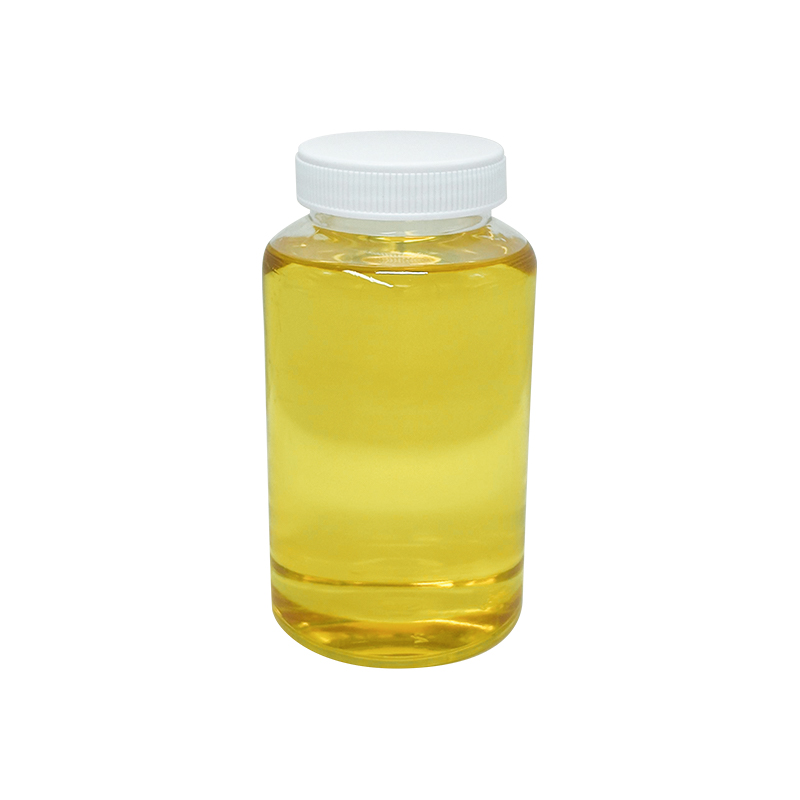
Full Synthetic C5 0W-20 Low SAPS Engine Oil
-
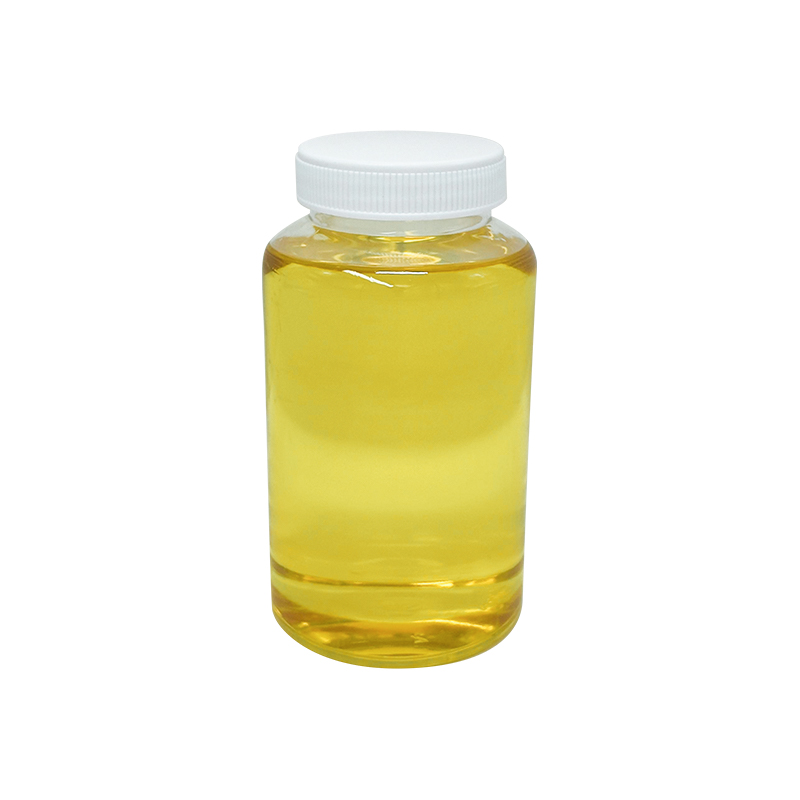
C3 0W-30 Fuel Economy Full Synthetic Engine Oil
-
C3 5W-30 Engine Oil for High Performance European Vehicles
-
High Viscosity 0W-40 Engine Oil for Demanding Applications
-
Heavy-Duty 5W-40 Engine Oil for Turbocharged Engines
-
High Performance A3/B4 0W-40 Full Synthetic Engine Motor Oil
-
High Viscosity 5W-40 Engine Lubricant(A3/B4)
-
Full Synthetic Heavy Duty SQ 0W-20 Engine Oil
-
Low Viscosity SQ 5W-20 Fuel Efficient Engine Lubricant
-
SQ 5W-30 Full Synthetic Gasoline Engine Motor Oil for Cars & Light Duty Vehicles
-
SQ 5W-40 Advanced Full Synthetic Gasoline Engine Oil for High Mileage & Turbo Engines
-
API SL 5W30 Advanced Full Synthetic Gasoline Motor Oil

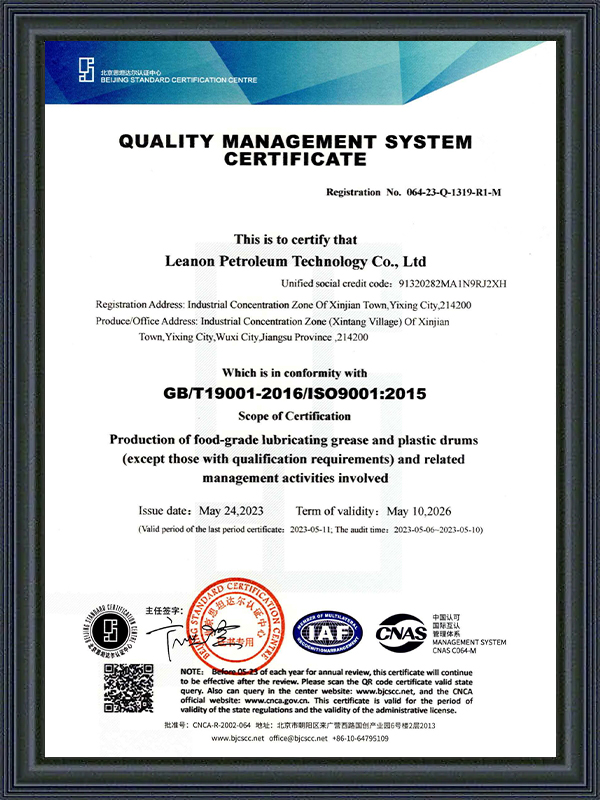
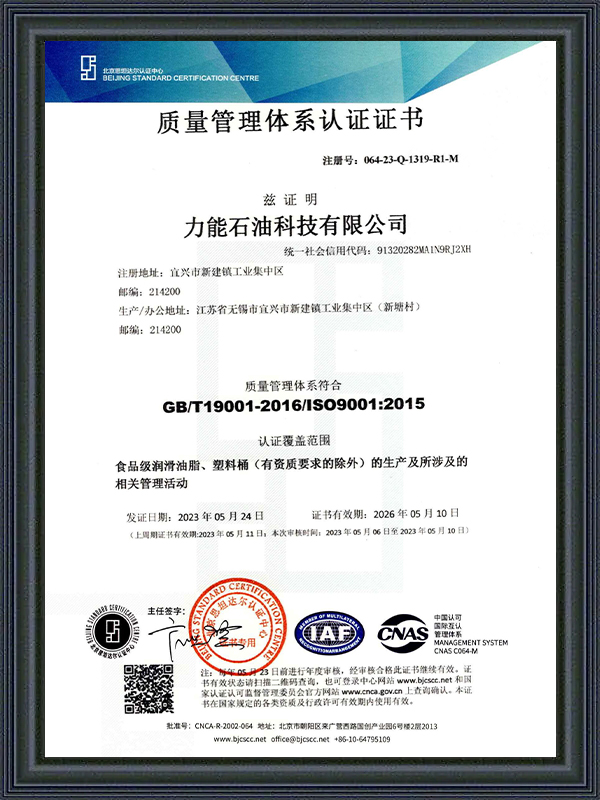
.jpg)
2.jpg)
.jpg)
2.jpg)

What Specifications Should You Consider When Selecting Gasoline Engine Oil for Modern Vehicles?
Introduction
Choosing the correct gasoline engine oil is critical for engine protection, fuel efficiency, and long-term reliability—especially for modern engines with turbocharging, direct injection, and tighter tolerances. The ideal oil balances viscosity, base oil quality, additive technology, and compliance with relevant standards. Leanon Petroleum Technology Co., Ltd., founded in January 2017 with a 150,000-ton annual production capacity and a CNAS-accredited laboratory, provides end-to-end formulation and production capabilities to meet these demands.
1. Viscosity Grade (SAE Rating)
Why it matters
Viscosity controls film strength and pumpability across temperatures. Modern engines often require multigrade oils that flow at cold starts yet maintain protection at high operating temperatures.
Common viscosity grades and use cases
- 0W-20 — New energy and modern turbo engines; excellent fuel economy and cold-start performance.
- 5W-30 — Versatile for many passenger cars; balance of protection and efficiency.
- 5W-40 — Suitable for hot climates and high-load conditions.
- 10W-40 — Often used for older engines or vehicles with higher internal clearances.
Always cross-check vehicle manufacturer recommendations and local climate when selecting viscosity.
2. API / ILSAC and OEM Performance Ratings
Key standards
- API SP — Latest gasoline engine standard addressing LSPI, timing-chain wear, and oxidation control.
- API SN / SN+ — Widely used for recent-generation engines with improved deposit control.
- ILSAC GF-6A / GF-6B — Fuel economy and low-viscosity protection; GF-6B targets ultra-low-viscosity oils like 0W-16.
- OEM approvals — Manufacturer-specific approvals (e.g., Dexos, Mercedes, BMW, VW) required for some vehicles.
Leanon Petroleum Technology Co., Ltd. formulates oils that meet API/ILSAC and can be tuned to achieve OEM approvals through CNAS-backed testing.
3. Base Oil Category (Group I–V)
Impact on performance
Base oil choice influences oxidation stability, volatility, and viscosity index. Modern gasoline engines generally benefit from higher-quality base oils.
- Group II — Improved oxidation stability vs. Group I.
- Group III — Hydrocracked synthetic-like performance; common in many full-synthetic engine oils.
- Group IV (PAO) — Excellent thermal and oxidative stability.
- Group V (esters/etc.) — Specialty fluids offering superior lubricity and detergency.
For modern turbocharged and high-temperature engines, choose Group III or Group IV based formulations. Leanon Petroleum's production and R&D can blend high-purity base oils to meet these needs.
4. Additive Technology
Essential additive functions
- Detergents — Keep pistons, rings, and injectors clean.
- Dispersants — Prevent sludge and varnish formation.
- Anti-wear agents (e.g., ZDDP) — Protect camshafts and valve trains.
- Friction modifiers — Improve fuel economy and reduce friction losses.
- Antioxidants — Extend oil life under thermal stress.
The right additive package is critical for LSPI mitigation, turbo protection, and deposit control in GDI and TGDI engines. Leanon Petroleum applies lab-grade additive optimization to tailor packages for specific engine types.
5. Compatibility with Turbocharged and GDI Engines
Modern gasoline engines often use turbochargers and direct injection, which increase thermal and mechanical stress. Key requirements include:
- Resistance to Low-Speed Pre-Ignition (LSPI)
- Excellent turbocharger protection against deposits and oil coking
- Strong oxidation resistance at elevated temperatures
Oils meeting API SP or ILSAC GF-6 are recommended for these engines; Leanon Petroleum develops formulations verified against such criteria.
6. Fuel Economy and Low-Viscosity Requirements
Lower-viscosity oils (e.g., 0W-20, 0W-16) reduce friction and can improve fuel economy. However, ensure shear stability and sufficient film strength for high-temperature protection. Leanon Petroleum balances low-viscosity benefits with robust additive systems to preserve protection.
7. Service Intervals and Oil Life
Service interval decisions depend on oil formulation, engine condition, contaminant exposure, and monitoring systems. Modern synthetic oils often support extended drain intervals, but always follow OEM guidance and condition-monitoring where available.
Key Parameter Comparison Table
| Specification | What to Look For | Why It Matters |
|---|---|---|
| SAE Viscosity | 0W-20, 5W-30, 5W-40 (match OEM) | Cold start flow, high-temp film strength, fuel economy |
| API / ILSAC | API SP, ILSAC GF-6A / GF-6B | LSPI protection, deposit control, fuel economy |
| Base Oil Group | Group III / IV preferred | Oxidation stability, volatility, long-term protection |
| Additive Package | Detergents, dispersants, anti-wear, friction modifiers | Engine cleanliness, wear protection, efficiency |
| Turbo / GDI Compatibility | Tested for turbo deposits and LSPI | Protects turbochargers and prevents pre-ignition damage |
| OEM Approvals | Dexos, Mercedes, VW, BMW as required | Ensures compliance with manufacturer warranties and specs |
Conclusion
Selecting gasoline engine oil for modern vehicles requires careful attention to viscosity grade, API/ILSAC and OEM approvals, base oil quality, and additive technology. For turbocharged and GDI engines, ensure oils are formulated to prevent LSPI and to protect turbochargers under high temperatures. Leanon Petroleum Technology Co., Ltd. offers comprehensive R&D, CNAS-accredited testing, and production capabilities to develop and supply engine oils that meet these rigorous specifications.
FAQs
1. Does Leanon Petroleum Technology Co., Ltd. provide customized gasoline engine oil formulations?
Yes. Leanon Petroleum Technology Co., Ltd. provides one-stop customized solutions—from raw material R&D and formulation design to packaging and shelf-display strategy—supported by a CNAS-accredited laboratory for precise testing and validation.
2. How can I confirm an oil meets the necessary LSPI and turbo protection requirements?
Check for API SP or ILSAC GF-6 certification and look for lab test data on LSPI mitigation and turbo deposit control. Leanon Petroleum conducts these tests in its accredited facility and can provide technical data to support product claims.
3. Can Leanon Petroleum assist new brands in launching gasoline engine oil products?
Absolutely. Leanon Petroleum Technology Co., Ltd. not only formulates and manufactures engine oils but also offers brand development services including logo design, packaging innovation, production line optimization, and market positioning to help new products succeed.



Contact
 leanon2023@163.com
 + 86 - 4006663580
 Industrial Concentration Zone, Xinjian Town, Yixing City, Wuxi City, Jiangsu Province, China
