

 English
  русский
  Español
  عربى
عربى  中文简体
中文简体

As a full-industry-chain service provider in the lubricants sector, Leanon Petroleum Technology Co., Ltd. is China Diesel Engine Oil Suppliers and Custom Diesel Engine Oil Factory, Exporter, we have established a comprehensive industrial ecosystem spanning international base oil trade, innovative lubricant formulation R&D, intelligent automated blending production, fully automated filling & packaging, professional packaging container design & manufacturing, to marketing promotion. As a full-industry-chain service provider in the lubricants sector, Leanon Petroleum Technology Co., Ltd. has established a comprehensive industrial ecosystem spanning international base oil trade, innovative lubricant formulation R&D, intelligent automated blending production, fully automated filling & packaging, professional packaging container design & manufacturing, to marketing promotion.

Diesel Engine Oil Suppliers
Diesel engine oil is a lubricant specially designed for diesel engines. Its main function is to provide effective lubrication, cooling, cleaning and protection for the moving parts inside the engine (such as pistons, crankshafts, camshafts, etc.) to ensure the engine runs efficiently and smoothly and extend its service life.
-
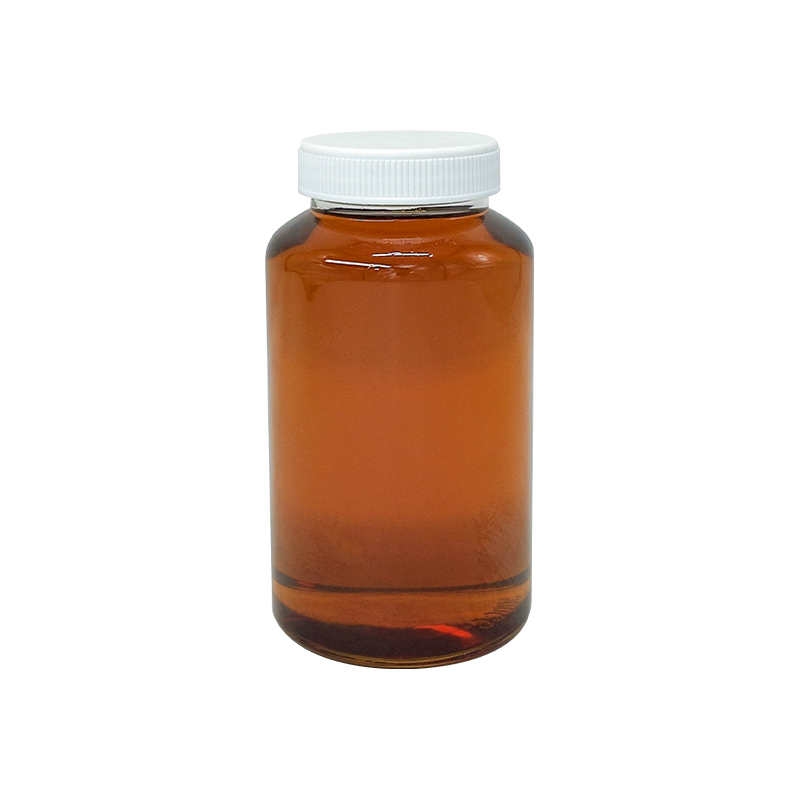
CK-4 5W30 Premium Synthetic Diesel Engine Oil for High Performance Engines
-
CK-4 5W40 Full Synthetic Heavy Duty Diesel Engine Oil for Trucks & Fleets
-
CK-4 10W40 Advanced Full Synthetic Diesel Motor Oil for Cars & SUVs
-
CI-4 15W40 Robust Protection Diesel Motor Oil for Heavy Duty Trucks
-
CI-4 20W50 Extreme Duty Diesel Engine Oil for Trucks & Off-Road Vehicles
-
CH-4 15W40 Advanced Diesel Engine Fluid for Cars, SUVs & Light Trucks
-
CH-4 20W50 Synthetic Blend Diesel Engine Oil for High Mileage Vehicles
-
CF-4 15W40 Universal API Certified Truck Diesel Engine Lubricant for Heavy Duty Vehicles
-
CF-4 20W50 High Viscosity Diesel Truck Oil
-
CD 15W40 Universal Diesel Engine Lubricant for Trucks & Industrial Machinery
-
CD 20W50 Mineral Diesel Truck Oil for Vintage & Classic Diesel Vehicles
-
Low-Temperature Flow CNG/LNG 15W-40 Oil for Gas-Fueled Engines

.jpg)
2.jpg)
.jpg)
2.jpg)

How Diesel Engine Oil Formulations Affect Engine Durability and Efficiency
Diesel Engine Oil plays a critical role in maintaining operational stability, reducing wear, and improving the long-term performance of diesel engines. Its formulation directly influences how effectively an engine manages heat, friction, deposits, and oxidation. Modern engines operate under higher pressures and temperatures, making the chemical composition and additive structure of diesel engine oil increasingly important.
1. Base Oil Composition and Thermal Stability
The base oil determines the oil's viscosity stability, oxidation resistance, and lubrication film strength. High-quality base oils reduce thermal degradation, allowing the engine to maintain sufficient lubrication even during extended high-load operation. Stable base oils help minimize varnish and deposit formation, which contributes to smoother component movement and longer service intervals.
2. Additive Systems and Wear Protection
Additives account for a significant portion of diesel engine oil performance. Anti-wear agents form protective layers on metal surfaces, reducing component friction and preventing scuffing under heavy loads. Detergents and dispersants keep soot and combustion by-products suspended to prevent sludge buildup, ensuring clean operation in engines with high fuel injection pressure or EGR systems.
3. Viscosity Characteristics and Fuel Efficiency
The viscosity grade directly affects engine resistance and fuel consumption. Oils with optimized viscosity reduce frictional losses while still maintaining an adequate lubricating film. This balance enhances fuel efficiency and reduces mechanical drag. Stable viscosity across temperature variations supports cold-start protection and consistent operation in diverse working environments.
4. Oxidation and Deposit Control for Long-Term Durability
Oxidation inhibitors slow the chemical degradation caused by heat and oxygen, helping extend oil life and maintain cleanliness. Effective deposit control prevents piston ring sticking, turbocharger fouling, and oil passage blockage. All these factors contribute to improved durability and reduced maintenance downtime.
5. Compatibility With Emission Control Technologies
Modern diesel engines rely on after-treatment systems such as DPFs and SCR systems. Low-ash and low-phosphorus formulations protect these systems from clogging and catalyst poisoning. Properly formulated oils ensure stable emission performance and compliance with regulatory standards.
Example Technical Parameters for Diesel Engine Oil
| Parameter | Description |
|---|---|
| Viscosity Grade | SAE 10W-30 / 15W-40 / 5W-40 (typical options for diesel engines) |
| Base Oil Category | Mineral / Synthetic / Semi-synthetic |
| Viscosity Index | Ensures stable viscosity across temperature ranges |
| Sulfated Ash | Controlled level to protect emission systems |
| TBN (Total Base Number) | Provides acid neutralization capacity |
| Pour Point | Indicates low-temperature fluidity |
| Flash Point | Indicates thermal stability |
| Additive System | Detergent, dispersant, anti-wear, antioxidant, anti-foam, corrosion inhibitors |
Comparing Synthetic and Mineral Diesel Engine Oil for Commercial Vehicles
Diesel Engine Oil is a critical factor in maintaining the performance, longevity, and efficiency of commercial vehicles. Understanding the differences between synthetic and mineral diesel engine oil can help fleet operators and maintenance professionals select the optimal lubrication solution for their engines.
1. Base Oil Composition
Mineral Diesel Engine Oil: Derived from refined crude oil, mineral oils contain naturally occurring molecules and some impurities. Their performance is generally consistent but more susceptible to oxidation and viscosity breakdown under high temperatures.
Synthetic Diesel Engine Oil: Chemically engineered from pure base stocks, synthetic oils have a uniform molecular structure. This allows for superior thermal stability, reduced volatility, and improved resistance to chemical breakdown.
2. High-Temperature and Low-Temperature Performance
Mineral Oil: Effective for standard operating conditions but can thin at high temperatures and thicken at low temperatures, potentially affecting lubrication during extreme weather or heavy-duty operation.
Synthetic Oil: Maintains consistent viscosity over a wider temperature range, ensuring reliable cold-start lubrication and protection under heavy load or high-temperature conditions.
3. Oxidation and Deposit Control
Mineral Oil: More prone to oxidation over long-term use, which can lead to sludge and varnish formation, reducing engine efficiency.
Synthetic Oil: Better resistance to oxidation and thermal degradation, resulting in cleaner engine internals and reduced frequency of oil changes in demanding commercial applications.
4. Fuel Efficiency and Friction Reduction
Mineral Oil: Provides adequate friction reduction, but higher internal resistance may slightly reduce fuel efficiency under high-load conditions.
Synthetic Oil: Engineered for lower friction and improved flow characteristics, which can contribute to modest fuel savings and smoother engine operation.
5. Service Life and Maintenance Intervals
Mineral Oil: Requires more frequent oil changes, especially in vehicles under heavy load or extended operation.
Synthetic Oil: Extended service intervals are possible due to its superior chemical stability and performance, reducing downtime and maintenance costs in commercial fleets.
6. Cost Considerations
Mineral Oil: Lower upfront cost, widely available, suitable for engines with standard specifications or older commercial vehicles.
Synthetic Oil: Higher initial cost but can provide longer oil life, better protection, and improved fuel efficiency, potentially lowering total operating costs over time.
Summary Table: Synthetic vs. Mineral Diesel Engine Oil
| Feature | Mineral Diesel Engine Oil | Synthetic Diesel Engine Oil |
|---|---|---|
| Base Oil | Refined crude oil | Chemically engineered pure base stocks |
| Temperature Stability | Moderate | High, wider range |
| Oxidation Resistance | Moderate | High |
| Engine Cleanliness | Standard | Superior |
| Fuel Efficiency | Standard | Slightly better |
| Service Interval | Shorter | Longer |
| Cost | Lower upfront | Higher upfront, lower total cost long-term |



Contact
 leanon2023@163.com
 + 86 - 4006663580
 Industrial Concentration Zone, Xinjian Town, Yixing City, Wuxi City, Jiangsu Province, China
