

 English
  русский
  Español
  عربى
عربى  中文简体
中文简体

As a full-industry-chain service provider in the lubricants sector, Leanon Petroleum Technology Co., Ltd. is China Automotive Lubricant Manufacturer and Wholesale Private Label Automotive Industrial Lubricants Company, we have established a comprehensive industrial ecosystem spanning international base oil trade, innovative lubricant formulation R&D, intelligent automated blending production, fully automated filling & packaging, professional packaging container design & manufacturing, to marketing promotion. As a full-industry-chain service provider in the lubricants sector, Leanon Petroleum Technology Co., Ltd. has established a comprehensive industrial ecosystem spanning international base oil trade, innovative lubricant formulation R&D, intelligent automated blending production, fully automated filling & packaging, professional packaging container design & manufacturing, to marketing promotion.

Automotive Lubricant Manufacturer
Automotive lubricants are a core product for vehicle care and maintenance. Their primary function is to lubricate and protect the vehicle's moving parts, while also providing cooling, cleaning, sealing, rust prevention, and shock absorption. Depending on the application scenario and performance requirements, automotive lubricants can be categorized as engine oil, gear oil, and brake fluid.
-
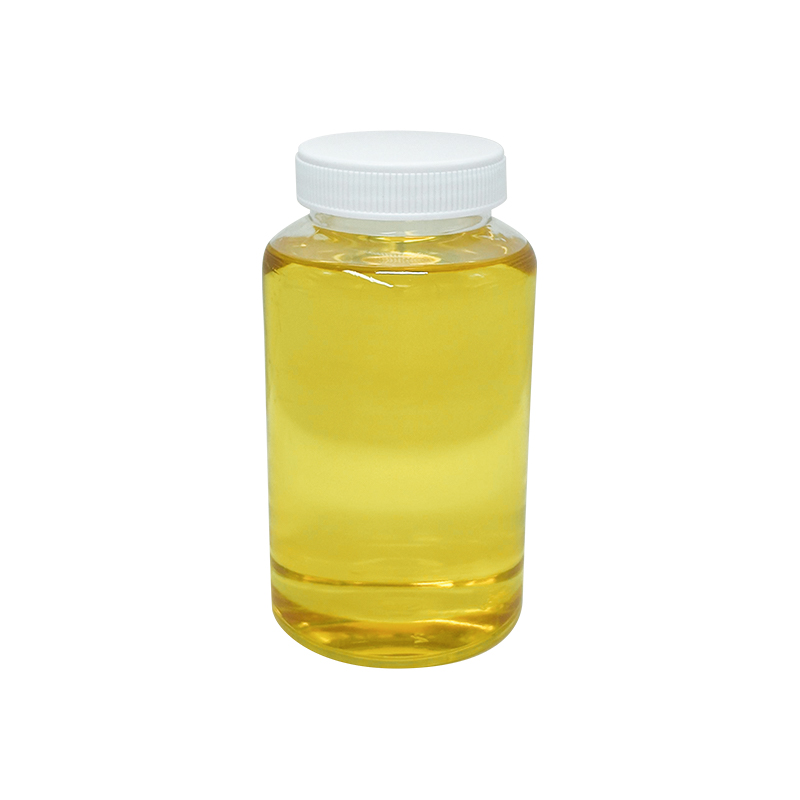
Full Synthetic C5 0W-20 Low SAPS Engine Oil
-
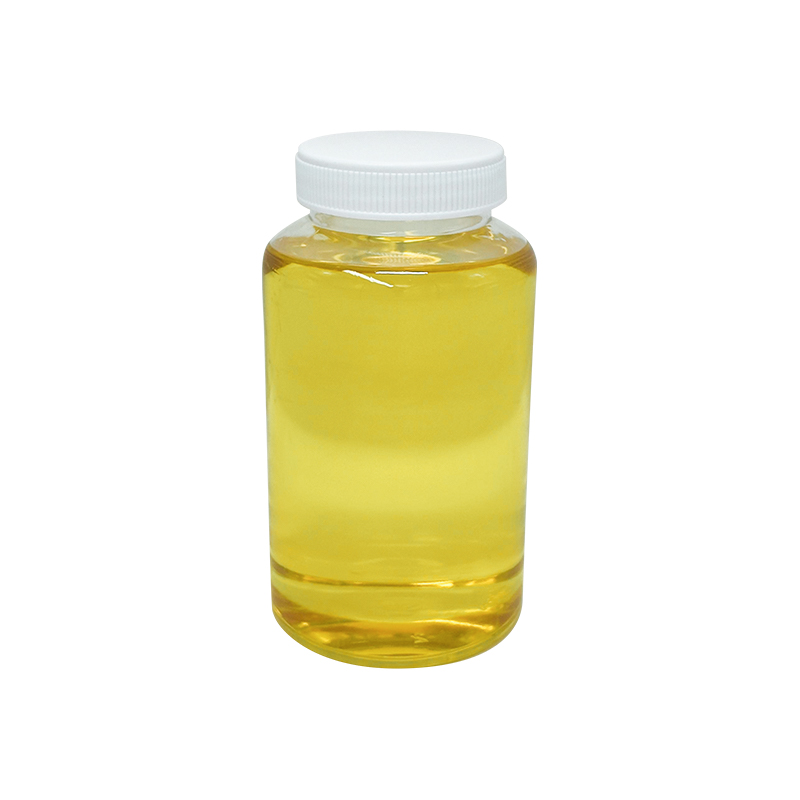
C3 0W-30 Fuel Economy Full Synthetic Engine Oil
-
C3 5W-30 Engine Oil for High Performance European Vehicles
-
High Viscosity 0W-40 Engine Oil for Demanding Applications
-
Heavy-Duty 5W-40 Engine Oil for Turbocharged Engines
-
High Performance A3/B4 0W-40 Full Synthetic Engine Motor Oil
-
High Viscosity 5W-40 Engine Lubricant(A3/B4)
-
Full Synthetic Heavy Duty SQ 0W-20 Engine Oil
-
Low Viscosity SQ 5W-20 Fuel Efficient Engine Lubricant
-
SQ 5W-30 Full Synthetic Gasoline Engine Motor Oil for Cars & Light Duty Vehicles
-
SQ 5W-40 Advanced Full Synthetic Gasoline Engine Oil for High Mileage & Turbo Engines
-
API SL 5W30 Advanced Full Synthetic Gasoline Motor Oil

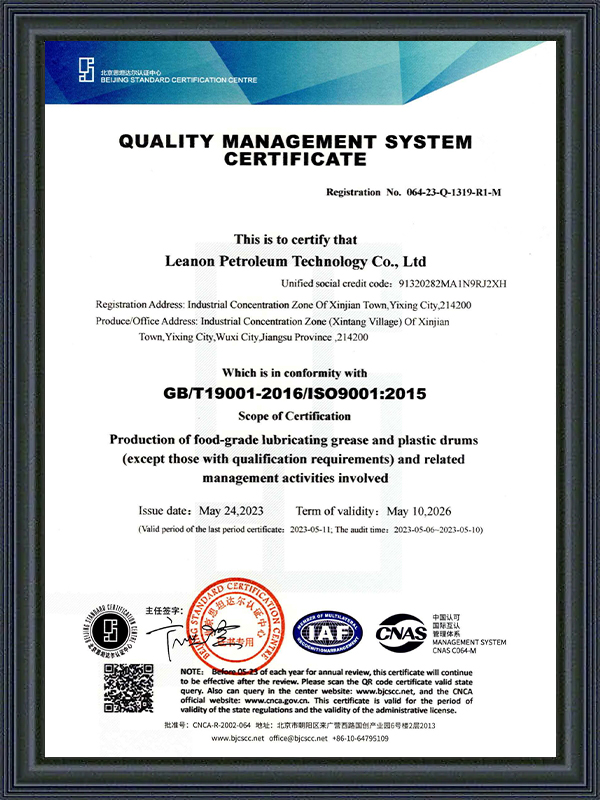
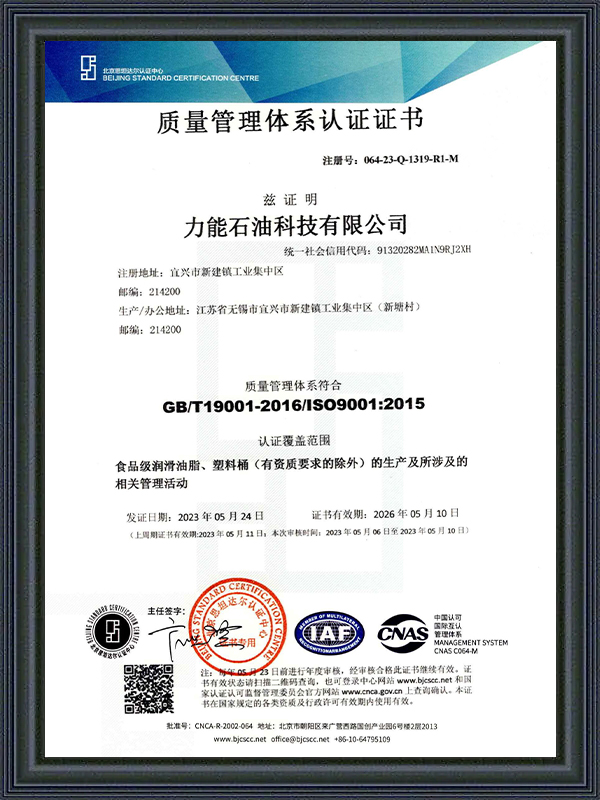
.jpg)
2.jpg)
.jpg)
2.jpg)

What Are the Key Differences Between Automotive Lubricants and Industrial Lubricants?
Introduction
Automotive lubricants and industrial lubricants both ensure smooth machinery operation, reduce friction, and extend service life. However, they operate under very different environments, loads, and technical requirements. These differences directly affect their formulation, viscosity behavior, additive selection, and performance characteristics. With a modern production facility of 80,000 square meters and an annual capacity of 150,000 tons, Leanon Petroleum Technology Co., Ltd. integrates R&D, production, and testing—supported by ISO 9001, ISO 14001, ISO 45001, IATF 16949 certifications and a CNAS-accredited laboratory—to develop professional automotive and industrial lubricant solutions.
1. Operating Conditions and Environmental Stress
Automotive Lubricants
- Operate in high-temperature combustion environments
- Experience constant speed and load fluctuations
- Face fuel dilution, soot, and oxidation byproducts
- Require strong shear stability at high RPM
Therefore, automotive lubricants must offer strong high-temperature stability, detergency, oxidation resistance, and reliable anti-wear performance.
Industrial Lubricants
- Operate under steady or continuous heavy loads
- Experience high pressures in hydraulic and gear systems
- Often exposed to dust, moisture, or chemicals
- Require long-term stability during extended operation
Industrial lubricants emphasize load-carrying capacity, thermal stability, water separation, and long service intervals.
2. Formulation and Additive Requirements
Automotive Lubricants
- Contain detergents and dispersants to control deposits
- Use friction modifiers for fuel efficiency
- Include anti-wear and antioxidant additives
- Must meet stringent API, ACEA, and OEM specifications
Industrial Lubricants
- Utilize EP (extreme-pressure) additives for heavy loads
- Contain anti-rust and anti-corrosion agents
- Include anti-foaming agents and demulsifiers
- Follow ISO, DIN, and ASTM performance standards
Leanon Petroleum Technology Co., Ltd. formulates both lubricant types through precise additive evaluation and testing in its CNAS-accredited laboratory.
3. Viscosity Behavior and Shear Stability
Automotive Lubricants
- Designed with multigrade viscosity profiles (e.g., 5W-30)
- Require high shear stability under engine conditions
- Must ensure low-temperature pumpability
Industrial Lubricants
- Follow ISO viscosity grades (e.g., ISO 32, 46, 68)
- Provide strong film strength under continuous load
- Maintain stability under prolonged thermal cycles
4. Service Life and Maintenance Intervals
Automotive Lubricants
- Shorter service intervals due to combustion contaminants
- Influenced by driving habits and environmental conditions
Industrial Lubricants
- Designed for longer service cycles
- Often used with filtration and condition-monitoring systems
5. Regulatory and Performance Standards
Automotive Lubricants
- Must comply with API, ACEA, ILSAC, and OEM requirements
Industrial Lubricants
- Follow ISO, DIN, and ASTM industrial testing standards
With certifications including ISO 9001, ISO 14001, ISO 45001, and IATF 16949, Leanon Petroleum Technology Co., Ltd. ensures all automotive and industrial lubricant products meet strict global standards.
Key Parameter Comparison Table
| Category | Automotive Lubricants | Industrial Lubricants |
|---|---|---|
| Operating Environment | High temperature, high RPM, combustion byproducts | Steady load, high pressure, exposure to dust/moisture |
| Main Performance Needs | Wear protection, detergency, fuel efficiency | Load capacity, thermal stability, contamination control |
| Additive Focus | Detergents, dispersants, friction modifiers | EP additives, anti-rust, demulsifiers |
| Viscosity Behavior | Multigrade, high shear stability | ISO-grade stability, high film strength |
| Service Interval | Medium or short | Long, depending on filtration and environment |
| Common Applications | Engines, transmissions, drivetrains | Hydraulics, compressors, gearboxes, turbines |
| Standards | API, ACEA, ILSAC | ISO, DIN, ASTM |
Conclusion
The differences between automotive and industrial lubricants arise from their unique operating environments, additive requirements, viscosity behavior, and regulatory standards. Automotive lubricants must endure extreme temperatures and combustion byproducts, while industrial lubricants are engineered for heavy loads, moisture resistance, and long service life. With advanced R&D, strict quality certifications, and a fully integrated production-to-market system, Leanon Petroleum Technology Co., Ltd. delivers specialized lubricant solutions tailored to the needs of both automotive and industrial sectors.
FAQs
1. What advantages does Leanon Petroleum Technology Co., Ltd. offer in developing both automotive and industrial lubricants?
Leanon Petroleum Technology Co., Ltd. operates a modern 80,000-square-meter facility with a 150,000-ton annual capacity. With ISO and IATF certifications and a CNAS-accredited laboratory, the company ensures precise formulation, testing, and production control—allowing it to produce reliable lubricants for both automotive and industrial applications.
2. How does Leanon Petroleum ensure the stability and performance of its lubricant formulations?
The company applies advanced additive evaluation, high-temperature stability testing, and formulation optimization. Automated blending systems and strict quality control processes help Leanon Petroleum Technology Co., Ltd. maintain consistency and compliance with international automotive and industrial performance standards.
3. Does Leanon Petroleum offer customized lubricant solutions for different industries?
Yes. Leanon Petroleum Technology Co., Ltd. provides end-to-end customization—including raw material R&D, formulation development, packaging design, production optimization, and shelf-display strategy—allowing clients to create products with strong technical performance and clear market positioning.



Contact
 leanon2023@163.com
 + 86 - 4006663580
 Industrial Concentration Zone, Xinjian Town, Yixing City, Wuxi City, Jiangsu Province, China
