

 中文简体
中文简体  English
 русский
 Español
 عربى
عربى

本款高性能发动机油采用全合成基础油与先进添加剂技术精制而成。其设计旨在满足现代高性能涡轮增压直喷发动机对润滑和保护的严苛要求,提供全面的全天候保护和响应性能。产品优势低温启动保护:其"0W"级超低粘度确保即使在寒冷环境下也能快速泵送至发动机部件,显著减少冷启动磨损,并在启动瞬间提供即时保护。高温稳定与抗剪切性:其"40"级高温粘度能在高发动机负荷下形成强韧油膜,有效防止金属部件直接接触并减少磨损。...
+ 查看更多
CI-4与CH-4柴油机油有何区别?
已交付200余种经验证的润滑剂解决方案
相关产品
-
-
SQ 5W-40先进全合成汽油发动机油是一款为高性能发动机、涡轮增压发动机及高里程车辆定制的高级润滑剂。其增强配方专注于在高压条件下提供额外保护,并对老旧车辆的密封件进行护理。产品优势增强高温高压保护:较高的高温高剪切粘度确保在涡轮增压器的高温高压环境及高转速驾驶条件下形成强韧油膜,为关键部件提供突出的抗磨保护。针对高里程发动机设计:添加特殊的密封件调节剂和抗磨添加剂,有效保护发动机密封件因长期使...
+ 查看更多 -
一款采用前沿全合成技术打造、专为现代汽油发动机设计的发动机油。其5W30粘度等级能提供良好的低温启动性能和高温保护能力,确保发动机性能与效率保持良好状态。 优势特性: 增强抗磨保护:采用高强度合成基础油与专用抗磨添加剂,形成有效的润滑膜,有助于降低发动机磨损和运行噪音。 燃油经济性:具备低摩擦特性和良好的流动性,可降低发动机运行阻力,提升动力传递效率。 全气候性能:良好的低温流动...
+ 查看更多 -
专为在严苛工况下运行的汽油发动机设计的高性能全合成润滑油。5W40粘度配方提供增强的油膜强度和热稳定性,为高负荷、高温环境提供可靠保护。 优势特性: 高温性能:具有良好的高温稳定性和抗氧化性能,在严苛驾驶条件和重负荷下保持合适的粘度和保护。 发动机清洁:有效减少积碳和油泥生成,保持发动机长期清洁,确保动力输出稳定。 抗磨保护:5W40配方形成有效的润滑膜,为高温高压工况下的发动机...
+ 查看更多 -
采用全合成技术配制,为乘用车柴油发动机提供保护。这款10W40机油具有清洁性能、抗磨保护和燃油经济性,满足柴油动力系统的要求。优势特性: 发动机保护:形成保护层,防止关键部件磨损,确保柴油乘用车的可靠运行。 清洁性能:具有分散技术,能清洁并悬浮烟炱颗粒,防止沉积物生成。 性能寿命:合成配方提供稳定性,支持延长换油周期并提供持续保护。 全气候可靠性:能提供低温启动润滑和高温高...
+ 查看更多 -
一款质量优异的乙二醇醚基制动液,专为标准汽车应用设计。其配方在常规工况下提供可靠的性能和一致的踏板感。该制动液采用先进的防腐蚀添加剂,保护制动系统内的关键部件,包括主缸、卡钳和ABS模块,从而提升使用寿命并确保可靠运行。良好高温性能:具有DOT标准规定的较高干湿沸点,有助于防止气阻现象。这在赛道驾驶、性能行驶和连续下坡等高负荷条件下提供良好的抗制动衰减能力。适配电子系统:其稳定的化学性质和低粘度确...
+ 查看更多 -
一款采用先进聚酯类(POE)基础油的全合成无级变速箱油。这种通用配方提供良好的链条或钢带抓力、可靠的抗抖动性能和宽温域稳定性。专为需要高摩擦液体技术的多种汽车制造商无级变速箱系统广泛兼容而设计。先进POE酯类技术:采用优质聚酯类(POE)合成基础油,为无级变速箱提供良好的油膜强度、宽温稳定性和摩擦耐久性。防止钢带/链条打滑:精确调校的摩擦特性提供良好的扭矩传递和可靠的抗抖动性能,确保平顺无缝的加速...
+ 查看更多 -
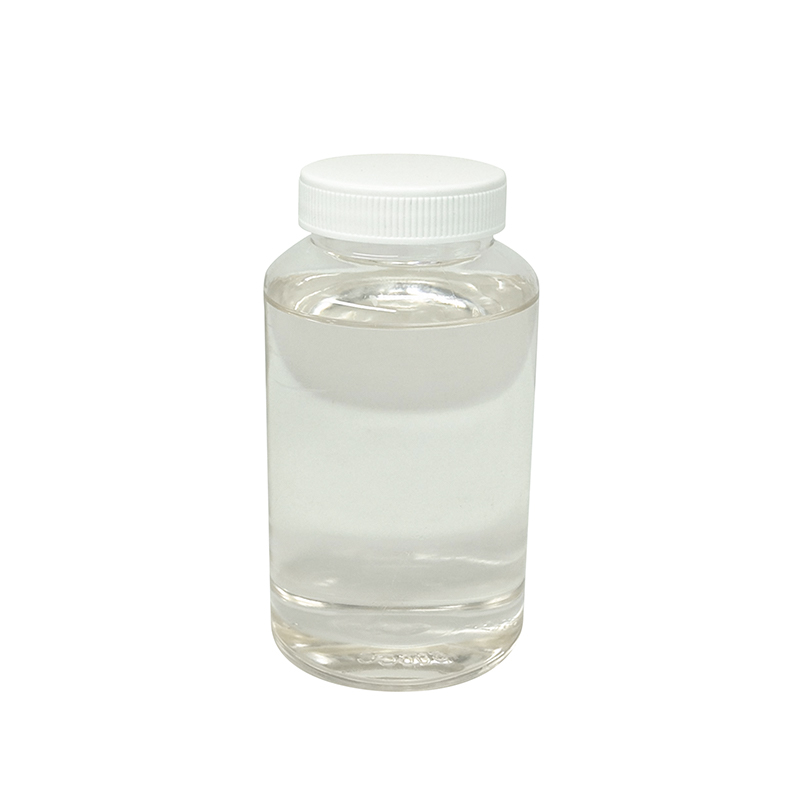
一款优质液压油,专为高性能工业应用设计,包括数控加工中心和其他精密设备。其先进配方为泵和阀门提供良好的抗磨保护,确保高压条件下的可靠运行。该油品提升系统效率,减少部件磨损,并提供良好的热稳定性和氧化稳定性,延长使用寿命。良好抗磨保护:采用高性能添加剂配制,在精密部件上形成持久的保护膜,显著减少高压泵、伺服阀和执行器中的摩擦和磨损,最大化设备寿命。良好热稳定与抗氧化性:抵抗高工作温度下的老化,防止导...
+ 查看更多 -
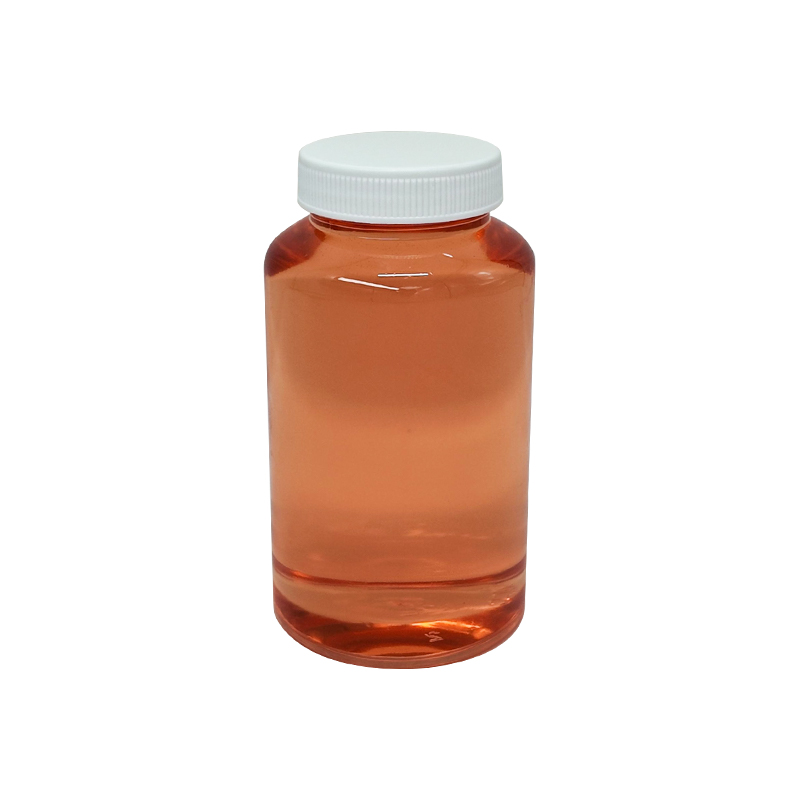
L-CKD 320#是一款高粘度指数重负荷齿轮润滑油,专为大型商用车(如长途客车和重卡)及大型机械中驱动桥和变速箱等关键部件的润滑需求开发。其高粘度基础油结合强化添加剂系统,特别适合高扭矩、低转速和持续高温的极端运行条件。产品优势可靠油膜强度:高粘度在齿轮表面形成更厚更强的润滑膜,在极端负荷和冲击下提供可靠的保护。良好高温性能:针对商用车长途运行常产生的高温设计,本产品表现出良好的高温粘度保持性和...
+ 查看更多 -
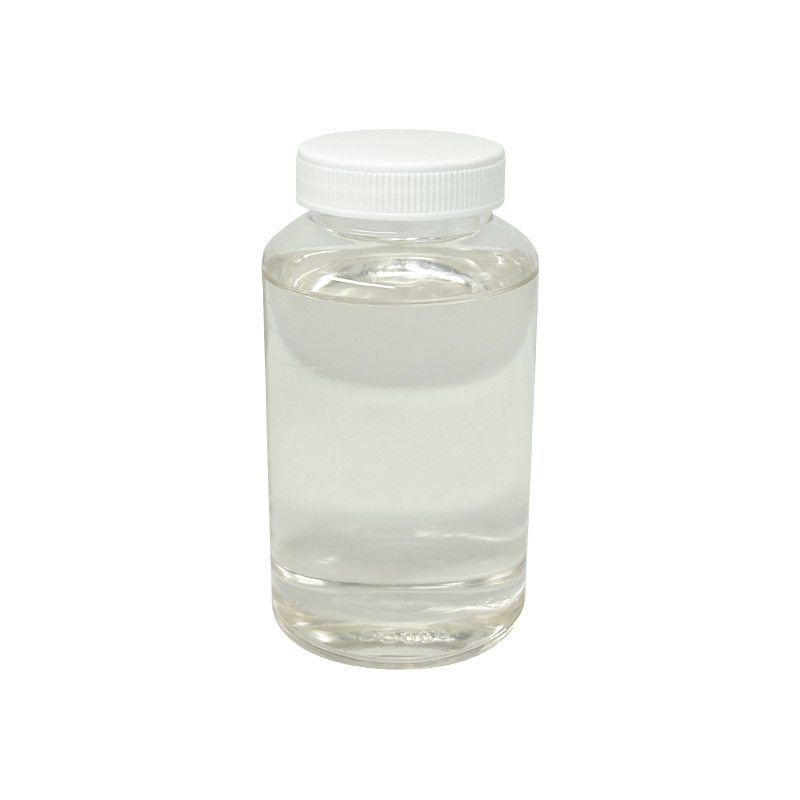
一款先进合成润滑剂,专为螺杆式空压机配制。其优质合成基础油和添加剂配方提供良好的热稳定性和氧化稳定性,显著延长油品寿命和换油周期。该油品提供良好的抗漆膜和沉积物形成保护,提升能效,并确保在各种运行条件下的可靠性能。该款优质合成油,专为螺杆式空压机的持续高应力运行配制。出色抗氧化性:先进合成技术通过显著延迟氧化提供超长使用寿命,减少维护频率和废油成本。良好清洁性:良好的沉积物控制保持转子、叶片和油路...
+ 查看更多 -
一款多功能高性能合成油,设计用于工业螺杆式和活塞式空压机系统。其可靠配方提供良好的润滑、宽温稳定性和出色的抗氧化抗油泥能力。这款多用途油品提供延长换油能力,减少各种设备的磨损,并为混合车队运营提供高水平的保护。该款多功能高性能合成润滑剂,设计用于螺杆式和活塞式空压机技术。超长使用寿命:良好的热稳定性和氧化稳定性抵抗老化,大幅延长换油周期,降低总拥有成本。良好沉积物控制:顶级的分散性防止各种设备中的...
+ 查看更多 -
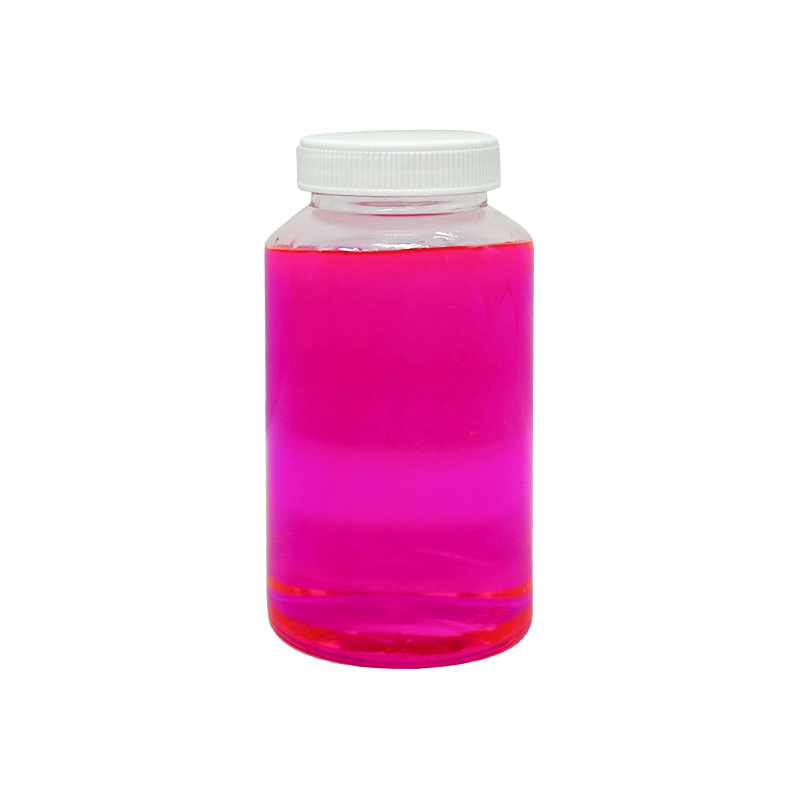
一款预稀释即用型冷却液,为汽油发动机提供低至-35°C的即时保护。该配方防止腐蚀并保持热稳定性,无需混合即可提供便利与性能。即时全面保护:预混合溶液提供低至-35°C的即时防冻保护和高沸点,适合全季节、全气候安全使用。全系统兼容性:设计安全适用于现代汽油车辆冷却系统中的所有金属和弹性体,包括铝制发动机。保持效率:其稳定配方抵抗老化,防止锈蚀和水垢,保持散热器和水套清洁,实现最佳冷却性能。
+ 查看更多



 leanon2023@163.com
  4006663580
  江苏省无锡市宜兴市新建镇工业集中区